SKIN
Evidence-based skincare & skin science editorial

GLP-1 Skin Adverse Events: 8.16% of Semaglutide Reports in FDA Database of 129,330 Cases
Journal of Drugs in Dermatology 2026. A cross-sectional analysis of 129,330 FAERS reports (2018-2024) finds 5.75% of GLP-1 adverse events are cutaneous, with semaglutide (8.16%) and liraglutide (7.66%) leading. Rash, pruritus, and alopecia top the list. Data clinicians should brief women on before starting weight-loss drugs.

Sugar Doesn't Just Stiffen Collagen, It Reaches Inside Your Skin Cells
New research from The Estée Lauder Companies shows that glycation happens inside skin cells themselves, triggering inflammation, senescence, and a slower repair response.
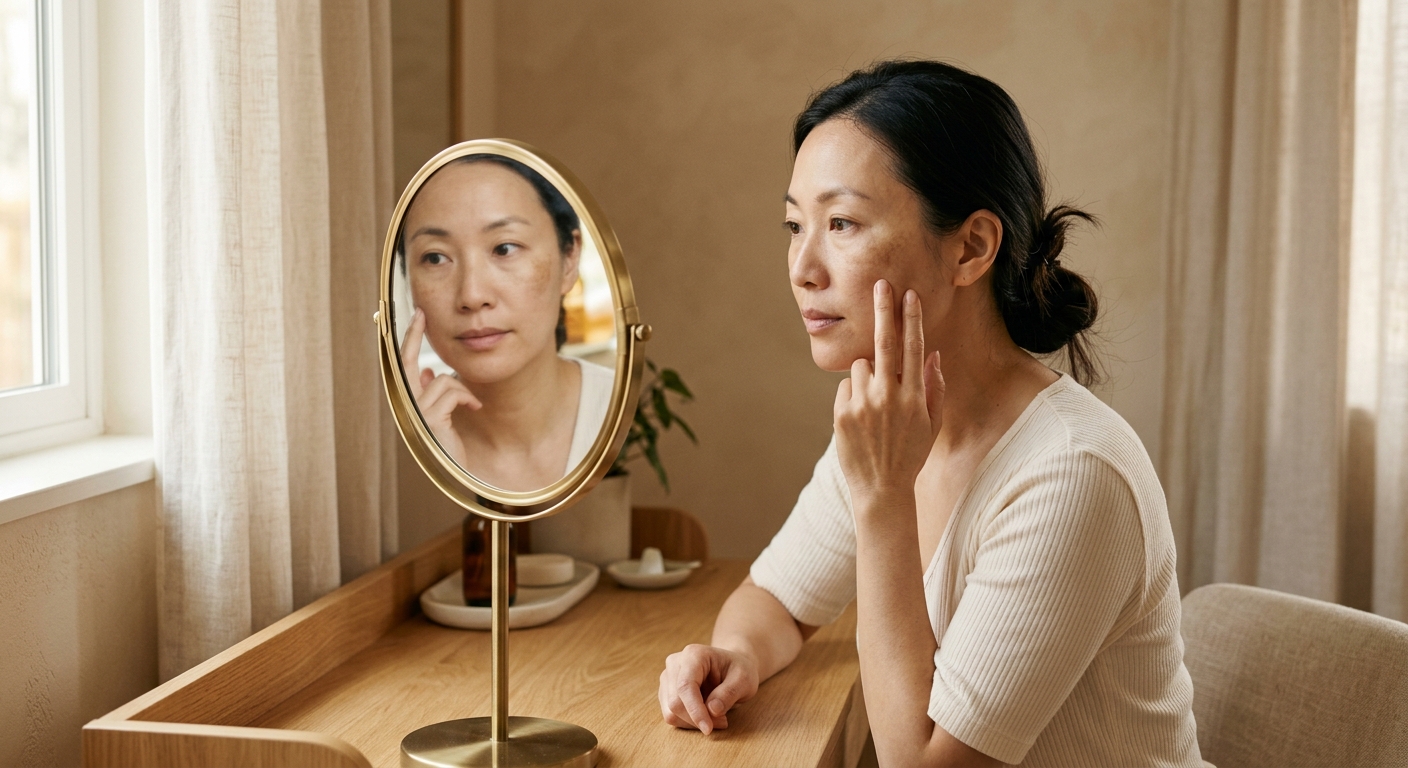
2-MNG 0.5% Matches 4% Hydroquinone for Melasma With Better Tolerability
Medscape Dermatology, May 2026. A 12-week RCT shows 2-Mercaptonicotinoyl glycine (2-MNG) 0.5% non-inferior to 4% hydroquinone for melasma, with significantly less irritation. Combined with niacinamide, 2-MNG matched the Kligman triple combination. The first credible candidate to displace decades of hydroquinone dependence.

Triple Therapy of Low-Dose Isotretinoin + Spironolactone + Diammonium Glycyrrhizinate Clears 90.6% of Hormonal Acne in 112 Women
A 112-woman randomized trial in moderate-to-severe acne with hyperandrogenism compared low-dose isotretinoin alone vs. + spironolactone vs. + diammonium glycyrrhizinate vs. all three. Triple therapy cleared 90.6% of lesions on average, 1.55x better than monotherapy (58.4%). A potential new standard for hormonal acne (Dermatology Times Journal Digest, April 2026).
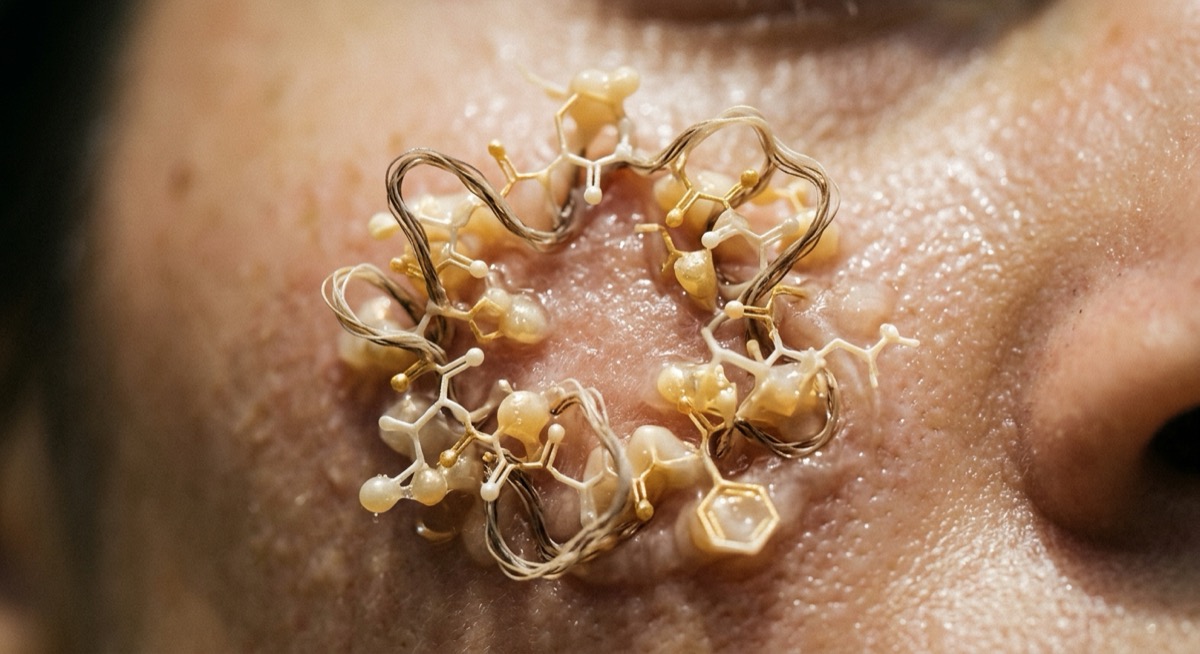
Cyclized Hexapeptide-9 0.002% Outperforms Same-Dose Retinol 2.1x in Crow's Feet Over 56 Days
Cyclized hexapeptide-9 (CHP-9) 0.002% serum applied twice daily for 56 days outperformed identically dosed retinol across every metric in a 96-person Asian skin RCT: crow's feet -2.20 vs -1.04 lines, forehead wrinkles -2.88 vs -1.05, hydration +9.44 vs +4.22, TEWL -3.93 vs -1.59 g/h/m², zero adverse events (Journal of Cosmetic Dermatology, 2026). Retinol plateaued early while CHP-9 effects accumulated over time.

Premature-Aging Skin Microbiome Shifts Toward 'Delayed-Aging' Pattern After Four Weeks Of Retinyl Propionate. BJD 2026
The British Journal of Dermatology 2026 reports a 65-person cohort: 30 with premature skin aging, 35 with delayed aging. The premature group shows elevated Acinetobacter and a fragile microbial network. Four weeks of a marketed retinyl propionate product improved brightness, elasticity, hydration, and barrier function while pulling the microbiome toward the delayed-aging pattern. The first clinical data positioning the skin microbiome as an aging marker.

AAD 2026 — Atopic Dermatitis·Psoriasis Pipeline Expansion. JAK·IL-23·GLP-1 Combination System Treatment Era
AAD 2026 (3.26~31 Denver). Nemolizumab pediatric 2~11 EASI75 70%·EASI90 60~70%. Psoriasis icotrokinra·zasocitinib·envudeucitinib biologic-level. Ixekizumab + tirzepatide combo = cardiometabolic effect. Skin treatment expanding to system treatment.
Topical Adipose Stem Cell Exosomes Cut Melanin in 8-Week Split-Face Trial — 21 Women, Age 39–55
An 8-week split-face study of topical adipose-derived stem cell (ASC) exosomes in 21 women aged 39–55 showed a statistically significant reduction in melanin on the treated side. Two companion trials (56-patient platelet-derived exosome serum at 6 weeks; 28-patient microneedling + ASC exosome at 12 weeks) reported parallel skin gains. Published in the Journal of Cosmetic Dermatology, 2026.

RADIESSE Décolleté FDA Approval — US First Chest Area Wrinkle Indication. 2-Year Collagen Stimulation
Merz Aesthetics RADIESSE approved by FDA April 8, 2026 for décolleté (chest area) wrinkle indication. Calcium hydroxylapatite-based collagen·elastin self-generation stimulator. Adults 22+. Clinical data — 80%+ skin elasticity satisfaction, 83% retreatment intent at 1 year, 90% physicians visible improvement at 4 months. Effect up to 2 years. Face-centric anti-aging officially expands to décolleté.

Sclareolide + Niacinamide Sunscreen — 16 ITA° Pigmentation Difference. New Standard for Dark-Tone Skin PIH Prevention
Dermatology and Therapy 2026. Fitzpatrick IV~V skin 20-person investigator-masked randomized trial. After UV/visible light + exfoliation, protected skin +5.96 ΔITA°, unprotected -9.88 ΔITA°. Net protection ~16 ITA° (p<0.001). Even non-exfoliated UV-only sites showed +11.76 ΔITA° gap. First clinical trial preventing PIH (post-inflammatory hyperpigmentation) at the formula level.
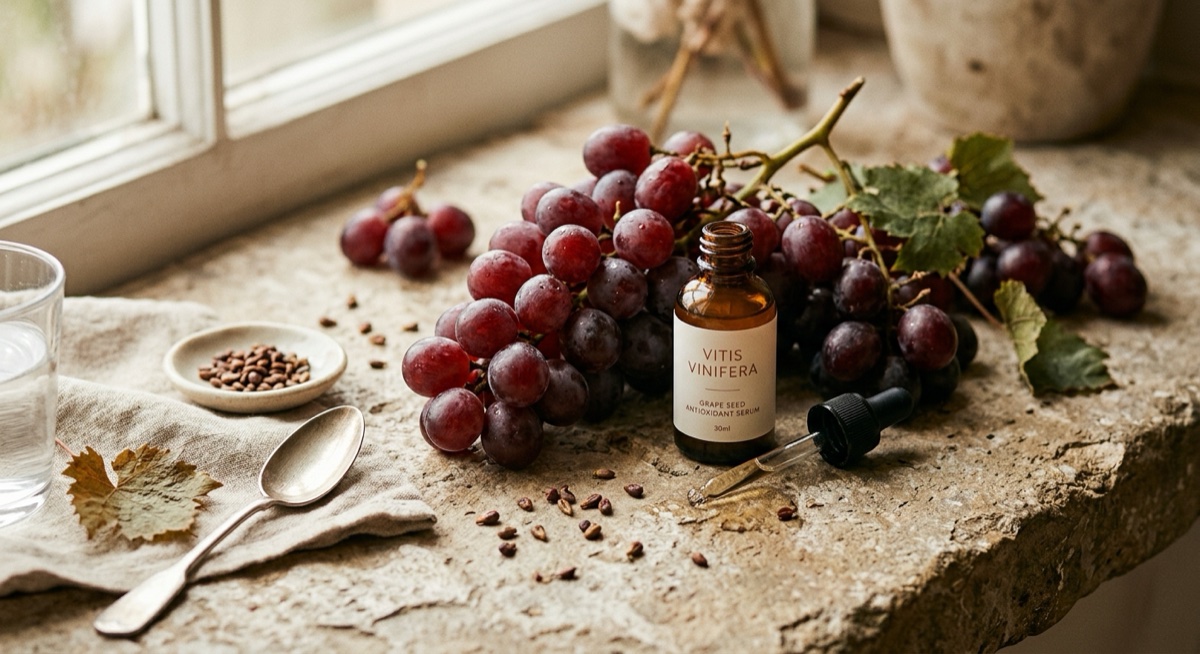
Grape Seed Extract Hyalurosomes (HA Liposome): Topical Absorption + Sustain + Antioxidant Reinforced as a New Delivery System
Grape seed extract proanthocyanidin encapsulated in hyaluronic acid liposomes (hyalurosomes) reinforces topical absorption + duration + antioxidant activity simultaneously. 2025 *Cosmetics* trial showed significant skin wellness marker improvement. Next-generation topical antioxidant delivery standard.

Topical Spironolactone 5% Cream Cuts Inflammatory Acne 74% in 8 Weeks: A New Lane for Hormonal Acne
An 8-week pilot trial of topical spironolactone 5% cream reduced inflammatory papules 74%, closed comedones 54%, and global acne grade 63% — with zero side effects. The systemic burden of oral spironolactone (menstrual irregularity, hyperkalemia) is becoming optional for women with hormonal acne.
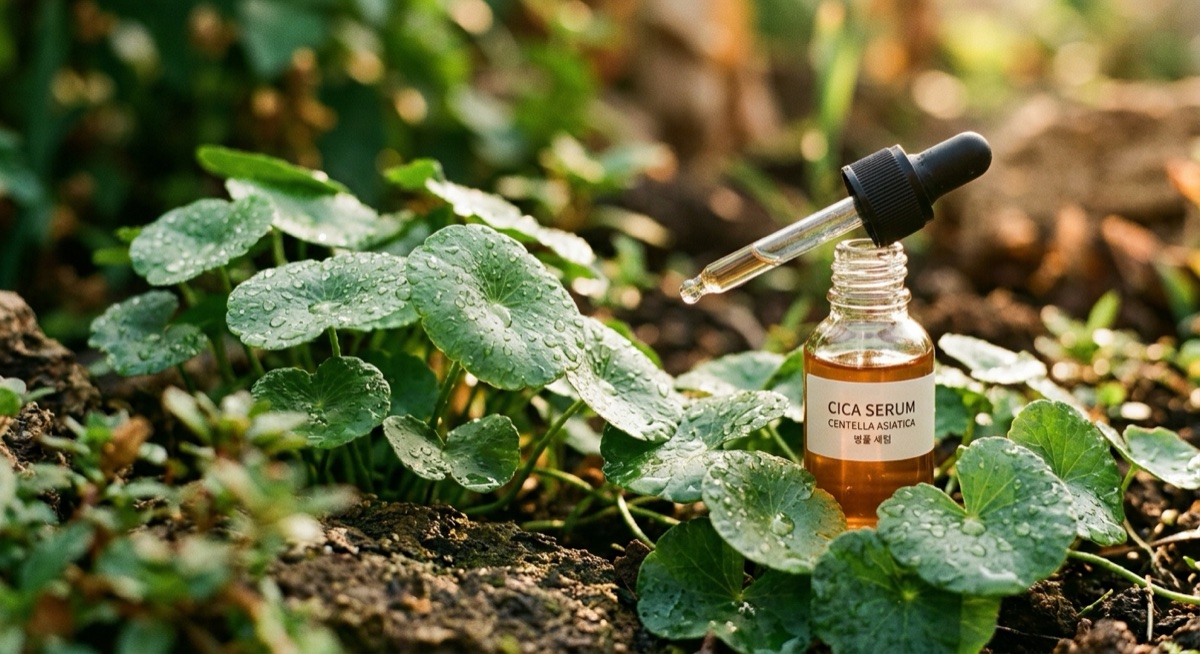
Madecassoside + Platinum Liposome: 48-Hour TEWL -42% — A New Standard for Sensitive Skin Delivery
Science Direct 2026 reports madecassoside (centella's most potent active) loaded onto platinum particles inside liposomes, achieving 48-hour TEWL reduction of 42% and immediate redness/itch calming. Outperforms 0.1% madecassoside alone in absorption and sustain. Sets a new molecular delivery standard for sensitive skin.
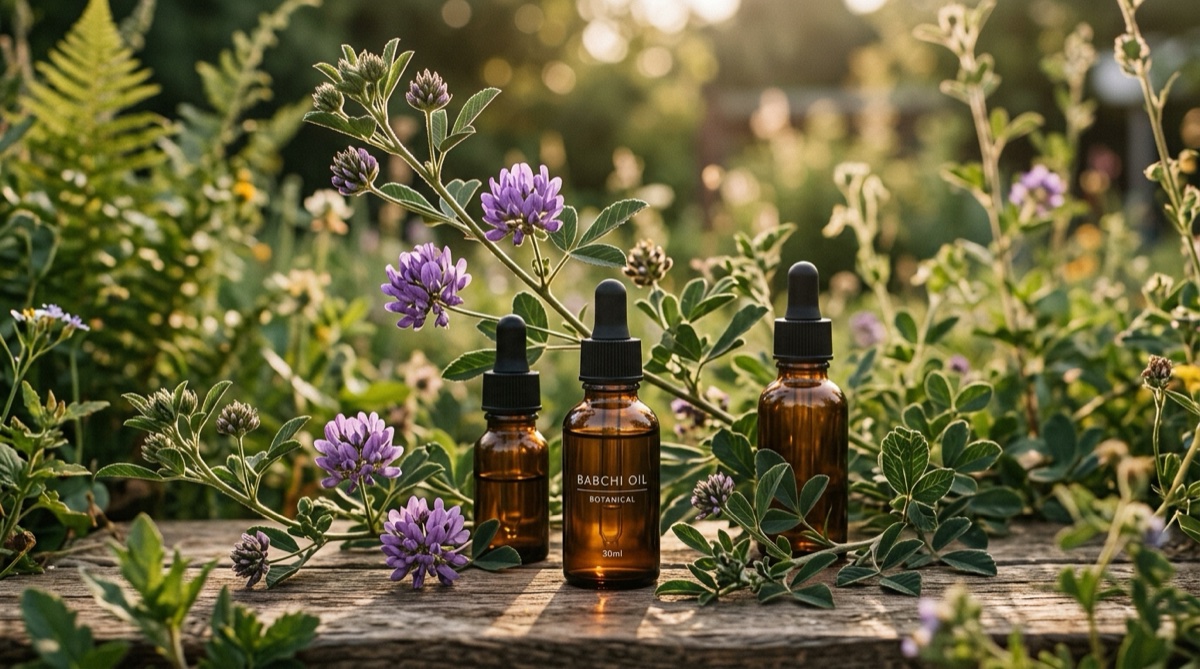
Bakuchiol + Retinal 28-Day Synergy: Less Irritation, Doubled Effect — Bakuchiol Buffers Retinaldehyde's Single-Step Conversion
Bakuchiol combined with retinal (retinaldehyde) for 28 days of nightly use produces significant elasticity, firmness, and texture improvement. Bakuchiol buffers retinal's oxidative stress and increases endogenous retinol availability — lowering the irritation threshold while amplifying retinoid efficacy.

Tatcha Longevity Serum Launches With 55% Senescent Cell Biomarker Reduction Claim — Okinawa Cellescence Complex Opens Senolytic Skincare
Tatcha's 2026 Longevity Serum and Memory Cream feature an Okinawa Cellescence Complex (Shikuwasa lime + Noni juice + Shell ginger) with claimed 55% reduction in senescent cell biomarkers — opening senolytic skincare as a category. Inspired by Okinawa centenarian dietary tradition.
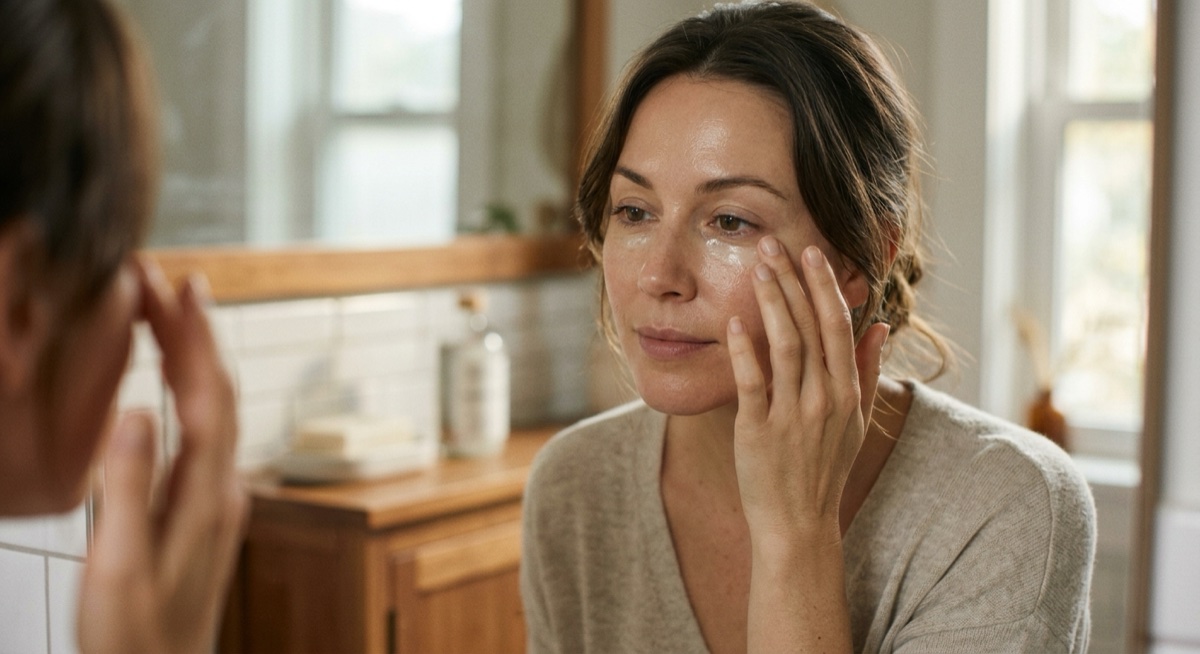
3% Caffeine Cream, 4 Weeks: Significant Periorbital Melanin Reduction — Direct Three-Pathway Block of Dark Circle Mechanisms
3% w/w caffeine cream produced statistically significant melanin index reduction in periorbital hyperpigmentation at 4 weeks. AP-1 DNA-binding inhibition cuts MMP and melanogenesis simultaneously, while lipolysis stimulation reduces puffiness. 11-woman 1-month study showed near 100% satisfaction.
Tranexamic Acid Melasma Trial: 12-Week Oral vs Topical Comparison Validates Both Options
A 2025 trial in Journal of Cosmetic Dermatology compared oral tranexamic acid 250mg twice daily vs topical 5% cream twice daily over 12 weeks in 50 melasma patients. MASI reduction -58.86% oral vs -50.88% topical. Oral slightly superior, both options validated for effect and safety. Choice possible by patient preference and convenience.
Multivesicular Emulsion + Glycerine Topical Ceramides Restore Atopic Skin Barrier
A British Journal of Dermatology trial showed multivesicular emulsion containing physiological lipids and glycerine (MVE+GL) rebalanced stratum corneum ceramide profile and meaningfully reduced transepidermal water loss from 38.02 to 29.79 g/m²/h in 58 adults predisposed to atopic dermatitis.

Pterostilbene and Resveratrol Photoaging Protection: 2026 Scoping Review
A 2026 scoping review in Skin Health and Disease summarizes the photoaging protection mechanisms of two stilbene polyphenols. Pterostilbene shows pharmacological advantages: 4x lipophilicity, 80% oral bioavailability, 105-min half-life vs resveratrol's 14 min. Yet resveratrol has more accumulated human clinical evidence.

Zinc 30 mg for Acne: 2026 Systematic Review of the Evidence
A Journal of Drugs in Dermatology systematic review synthesizes oral and topical zinc effects on acne. 30 mg elemental zinc/day for 12 weeks is the typical clinical dose. Antimicrobial, anti-inflammatory, and sebum-regulating mechanisms are summarized. Smaller effects than antibiotics but with fewer side effects and better microbiome profile.

Azelaic Acid 20% Cream: 24-Week Trial in Fitzpatrick IV-VI Skin
A randomized double-blind multicenter trial in patients with Fitzpatrick IV-VI skin showed azelaic acid 20% cream meaningfully reduced pigmentary intensity and improved global scores at 24 weeks vs vehicle. A targeted option for high-pigmentation-risk populations.

Oral Niacinamide for Skin Cancer Prevention: Large VA Study Reinforces Evidence
A US Department of Veterans Affairs study validates that oral niacinamide (nicotinamide, vitamin B3) reduces new non-melanoma skin cancer risk. Builds on the 2015 NEJM ONTRAC trial with large real-world data. Mechanisms include NAD+-dependent DNA repair and UV damage recovery.

Topical Probiotics for Acne: 34.4% Inflammatory Lesion Reduction at 8 Weeks
A randomized double-blind trial in 79 mild-to-moderate acne patients showed multi-strain Lactobacillus topical cream reduced inflammatory lesions 34.4% at week 4 (vs 1.7% placebo). Skin microbiome modulation establishes itself as a complementary target for acne treatment.
Retinaldehyde 0.1% Anhydrous Concentrate: 6-Week Trial Data for Sensitive Skin
A 6-week prospective trial of anhydrous 0.1% retinaldehyde showed photoaged skin improvement with no irritation in 57% sensitive skin participants. Same period sees RAR-gamma selective synthetic retinoids (trifarotene) and CYP-inhibiting RAMBA agents emerging as the next-generation retinoid category.

Sustained Skin Effects of Oral Collagen Peptides: 4-12 Week Trial Data Synthesized
A meta-analysis of 1,721 participants confirms hydrolyzed collagen supplementation produces meaningful improvements in skin hydration and elasticity vs placebo. The mechanism centers on dipeptides and tripeptides from low-molecular-weight collagen reaching dermal fibroblasts and stimulating collagen and hyaluronic acid synthesis.

Allergan TrenibotE: First Botulinum E with 8-Hour Onset, Plus 52% of GLP-1 Patients Concerned About Facial Changes
Allergan Aesthetics presented four posters at AAD 2026 covering 18-week safety data on the new TrenibotE neurotoxin and behavioral data on GLP-1 patients in aesthetics. TrenibotE has an 8-hour onset and 2-3 week duration, a different time profile from existing options. 52% of GLP-1 users express facial appearance concerns and 32% are first-time aesthetics patients.
Lancôme x Timeline: First Mitochondria-Targeting Skincare Reveal at AAD 2026
Lancôme partners with Timeline (Swiss biotech backed by Nestlé Health Science) to unveil Urolithin A-based mitochondria-targeting skincare at AAD 2026. EUR 50M R&D, 15 years of research, 50+ patents. Mitophagy enters luxury skincare as a category standard.
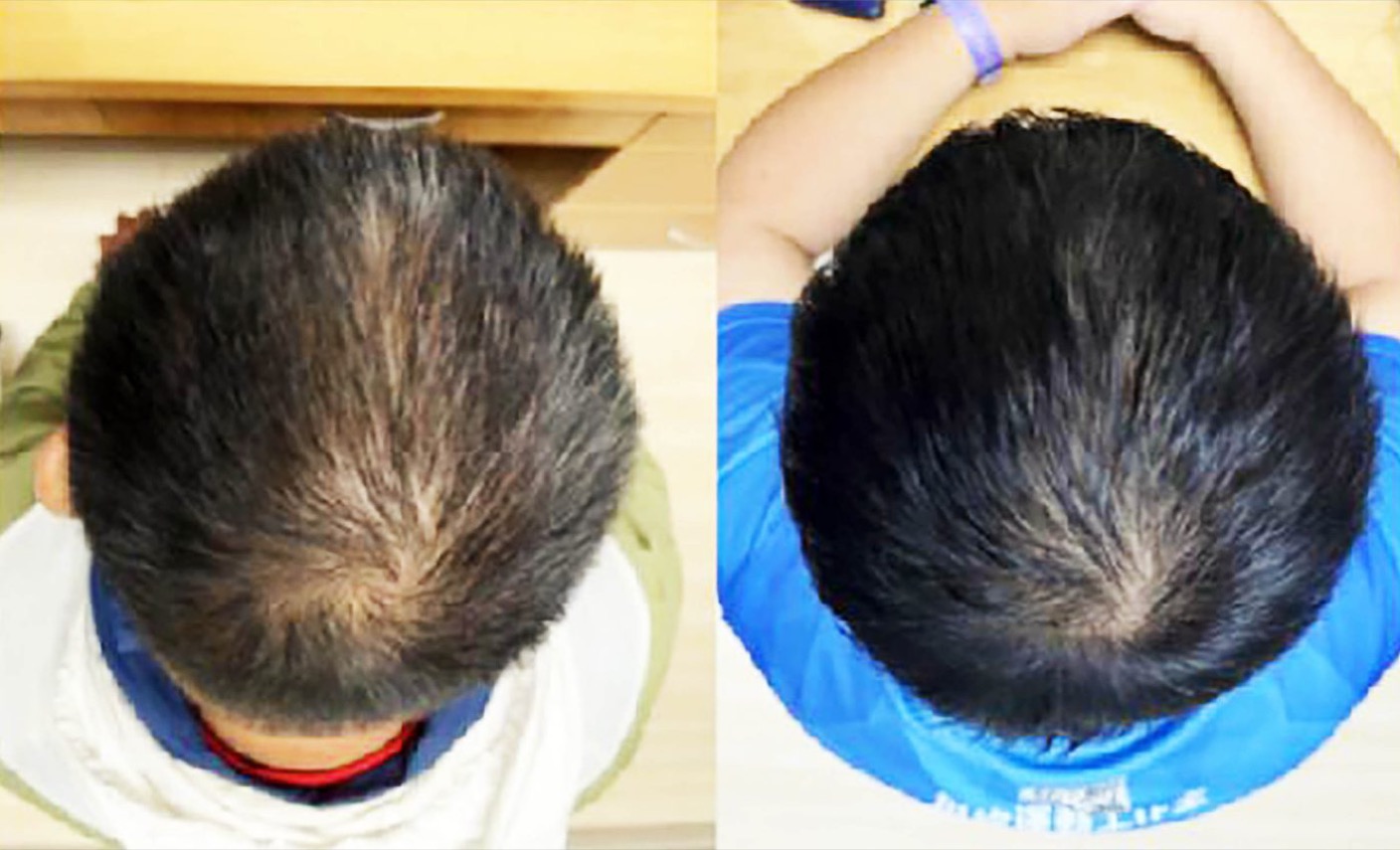
Centella Asiatica Plant Exosome Topical Serum Lifts Hair Density Nearly 25% in Eight Weeks
A 60-person, 8-week RCT from Schweitzer Biotech, posted to medRxiv. A nightly topical serum combining Centella asiatica-derived exosomes with caffeine, panthenol, FGF7, and IGF-1 raised hair density nearly 25%. The mechanism is anagen phase extension, not 5-alpha reductase blockade.

PP405 Reactivates Dormant Hair Follicle Stem Cells: 31% Saw Density Rise 20%+ in Phase 2a, Phase 3 Beginning in 2026
Pelage Pharmaceuticals' PP405 produced a 31% responder rate (>20% hair density gain) at week 8 versus 0% on placebo in 78 androgenetic alopecia patients in Phase 2a, after 4 weeks of topical application followed for 12 weeks. The first-in-class mechanism reactivates dormant hair follicle stem cells. Phase 3 begins in 2026.

Niosomal Tranexamic Acid + Niacinamide Cream Matches Hydroquinone in 99-Patient Melasma Trial
A Scientific Reports 2025 RCT in 99 melasma patients showed that niosomal tranexamic acid 2% / niacinamide 2% cream produced comparable MASI reduction to hydroquinone 4% at substantially lower irritation rates, opening a wider safety margin for long-term melasma management.

PDRN/PN Goes Mainstream in K-Beauty, Vegan Seaweed Alternatives Emerge
Salmon-derived PDRN/PN spreads from clinics to home care, entering K-beauty mainstream in 2026. Simultaneously, seaweed-derived alternatives target vegan and halal markets. PDRN (shorter chain, repair) and PN (longer chain, structural support) standardize as separate mechanism categories.
Galderma Brings 22 Abstracts to AAD 2026, Including Nemluvio's 104-Week Safety and Trifarotene Data
At the American Academy of Dermatology 2026 annual meeting, Galderma presented 22 abstracts including late-breaking data. The portfolio centers on Nemluvio's 104-week long-term safety in atopic dermatitis, the fourth-generation retinoid trifarotene (AKLIEF), and five Cetaphil e-posters.

Kenvue Brings 20 Abstracts to AAD 2026: Neutrogena Collagen Bank and BEMT Sunscreen
At the American Academy of Dermatology 2026 annual meeting, Kenvue presented 20 abstracts across Neutrogena, Aveeno, and Rogaine lines. The Collagen Bank Vitamin C Serum at 15%, BEMT sunscreen pursuing US approval, and Aveeno Calm & Restore stimulating fibroblast hyaluronic acid synthesis anchor the news.

Topical Prebiotic, Probiotic, and Postbiotic Skincare Get Their 2026 Efficacy Map
A February 2026 Cosmetics journal review consolidated the topical microbiome skincare evidence base. Multistrain Lactobacillus probiotics significantly improve atopic dermatitis SCORAD scores, while β-glucan and galacto-oligosaccharide prebiotics relieve dry skin and atopic symptoms across accumulated meta-analyses.

Olay Names Cell Adhesion the Decisive Driver of Visible Skin Aging at AAD 2026
At the American Academy of Dermatology 2026 annual meeting, Olay reports that cell adhesion, not collagen depletion alone, separates exceptional skin agers from the rest. The Hexa-Repair Peptide Complex pairs Triple Collagen Peptide with Argireline.

Add Ceramides to Salicylic Acid and Watch Sebum Drop 23% in 21 Days
A 42-participant clinical study found that a gel combining 2% salicylic acid with three ceramide types achieved a 23.65% sebum reduction, 49.26% TEWL decrease, and 40.5% hydration increase in just three weeks — with zero dropouts.

Postmenopausal Skin Loses 2.1% Collagen Yearly; HRT Restores 33% Dermal Thickness in 12 Months
A 2025 Journal of Cosmetic Dermatology review quantified annual postmenopausal skin changes: collagen 2.1%, thickness 1.13%, elasticity 1.5%. Hormone therapy started within 10 years of menopause restored 11.5% skin thickness and 33% dermal thickness in 12 months. Yet 47% of postmenopausal women report receiving no information about menopause's effect on their skin.
Bakuchiol Matched Retinol on Wrinkles, Beat It on Pigmentation
A randomized controlled trial in the British Journal of Dermatology found bakuchiol 0.5% performed on par with retinol 0.5% over 12 weeks for wrinkles and hyperpigmentation, while causing significantly less scaling and stinging.
Can 5kDa Hyaluronic Acid Reach Your Skin When Swallowed? A 12-Week Double-Blind Trial Has Answers
A 150-person randomized double-blind placebo-controlled trial showed that oral low-molecular-weight hyaluronic acid improved five skin metrics in 12 weeks, including hydration, barrier function, and wrinkle depth. The 5kDa threshold is where absorption actually begins.

Blue Light, Melanin, and the FZD2 Pathway Behind Screen Pigmentation
A 2025 study in Materials Today Bio maps the molecular pathway from phone screen exposure to skin darkening. FZD2-TYR signaling, iron oxide sunscreens, and what your SPF isn't blocking.

GHK-Cu Copper Peptide Returns: What the 12-Week Clinical Numbers Actually Show
The tripeptide Loren Pickart isolated from human serum in 1973 is trending again on TikTok's skin cycling feeds. Here's what 55.7% wrinkle depth reduction, a 12-study safety review, and delivery method comparisons actually mean for your routine.

5% White Tea Cream, Periorbital Wrinkle Cutometer Score Significantly Up
A 12-week RCT applying a 5% white tea extract cream showed statistically significant improvements in Cutometer scores at the crow's feet and under-eye area. VISIA wrinkle scores also improved, with no adverse effects.

Carotenoid Glow: How Skin Yellowness Reads as Health and Attractiveness
Carotenoids from carrots, spinach, and sweet potatoes deposit in skin to create a golden warmth that observers consistently rate as healthier and more attractive than UV tan. Clinical trials now show how much, and how long it takes.

Ergothioneine 30mg for 8 Weeks Improves Melanin and Elasticity in Women 35-59
A randomized, double-blind, placebo-controlled trial found that 30mg of DR.ERGO daily for 8 weeks significantly improved melanin index, erythema, skin elasticity (R2/R5/R7), gloss, spots, and wrinkles in 66 women aged 35-59.
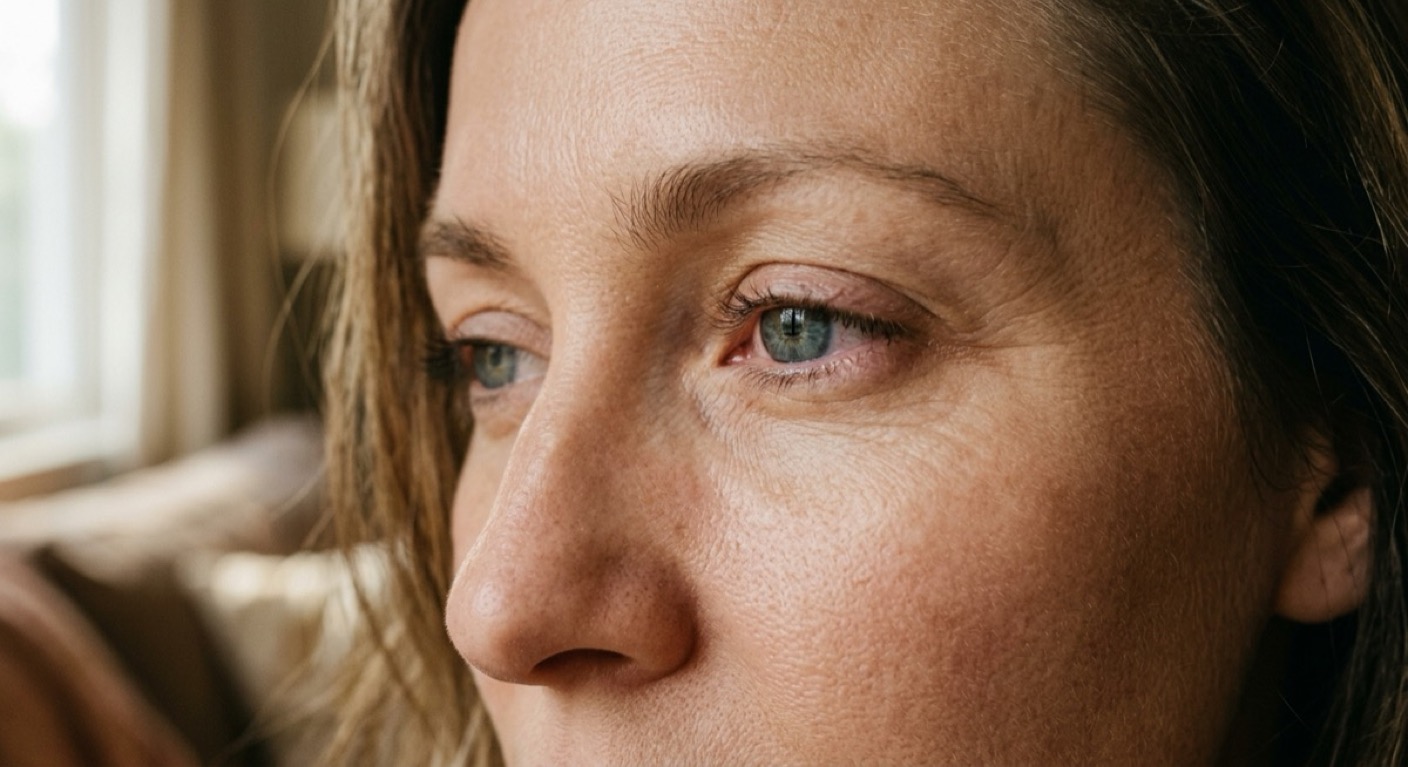
A New Peptide That Blocks Two Causes of Wrinkles at Once, Reducing Depth by 10% in Clinical Trial
Medipep-6PN, a peptide identified via phage display technology, simultaneously inhibits muscle contraction and collagen breakdown. A 4-week clinical study recorded a 10.16% reduction in wrinkle depth and 13.00% reduction in wrinkle volume.

24 Weeks of Cocoa Flavanols Restore Photo-Aged Skin Elasticity by 8.6 Points
A 24-week randomized trial found daily cocoa flavanol intake at 320mg improved photo-aged skin elasticity by 8.6 percentage points. Here's what the data says, and how to translate it into daily choices.

How PDRN Protects SIRT1, the Master Aging Protein, as Polynucleotides Go Mainstream
A May 2025 PLoS ONE study reveals how PDRN suppresses nuclear autophagy to protect SIRT1 from degradation. Here's why this K-beauty staple is now landing on medspa menus in New York, Miami, and London.
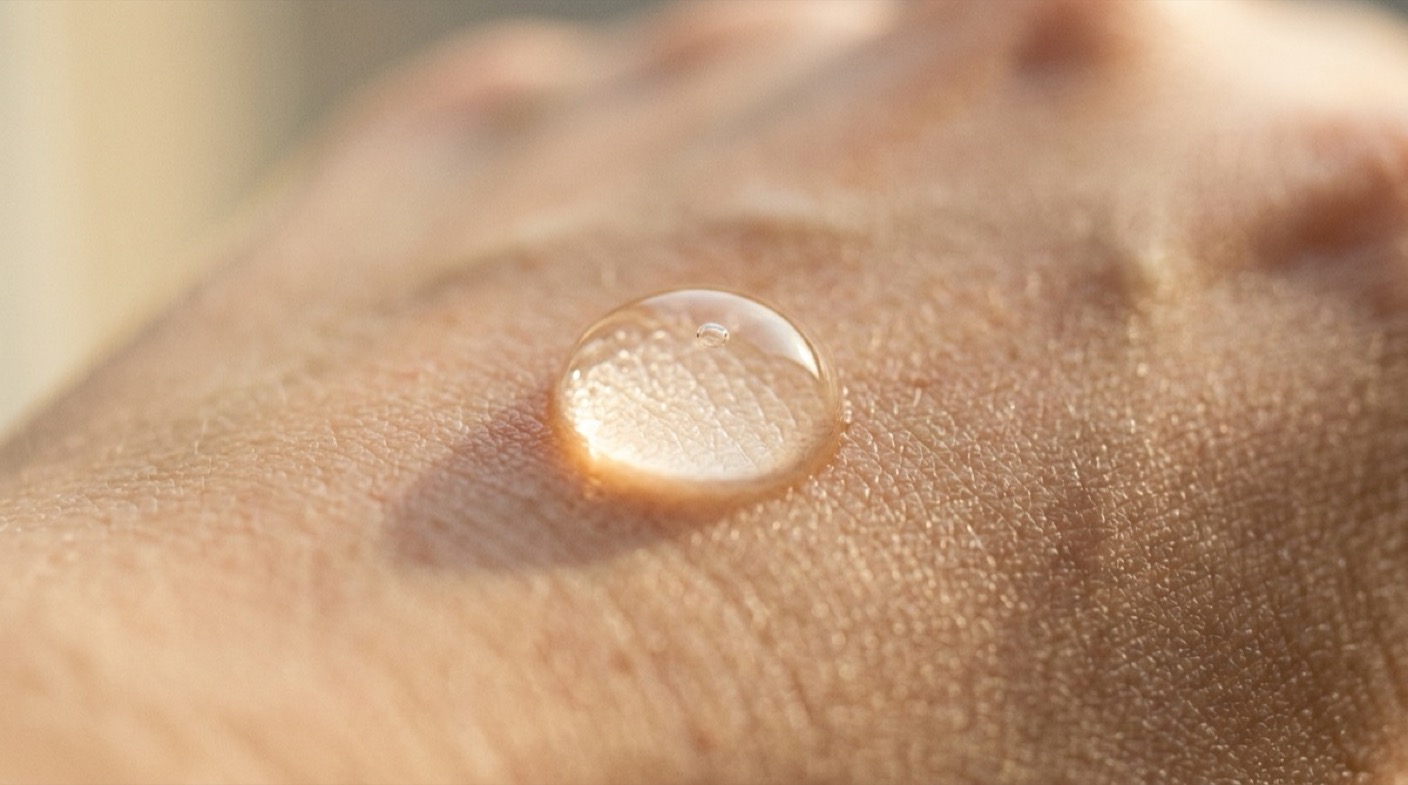
Spicules Punch, Exosomes Enter. K-Beauty's 2026 Delivery Turning Point
K-beauty is combining spicules (microscopic needle-shaped particles from freshwater sponges) with exosomes into what it calls 'liquid microneedling.' Spicules open 50-200 micrometer channels in the upper epidermis, and exosomes are released into the dermis at the moment of penetration.

Topical Probiotic SkinDuo Reshaped Acne Skin Microbiota in Responders
After using SkinDuo, a topical probiotic containing Lactiplantibacillus plantarum, the 'good responder' group showed reduced relative abundance of Cutibacterium acnes. The shift is not from gut to skin via diet, but a direct reshaping of the skin microbiome at the surface.

La Mer's MPF Serum Improved Barrier Strength 30% in 8 Weeks, Peer-Reviewed Data
La Mer and The Estée Lauder Companies published clinical data in the Journal of Clinical and Aesthetic Dermatology showing that 8 weeks of Macrocystis pyrifera (giant kelp) ferment serum raised skin moisturization 16%, barrier integrity 11%, and barrier strength in tape-stripped skin 30%. Post-procedure recovery also improved.
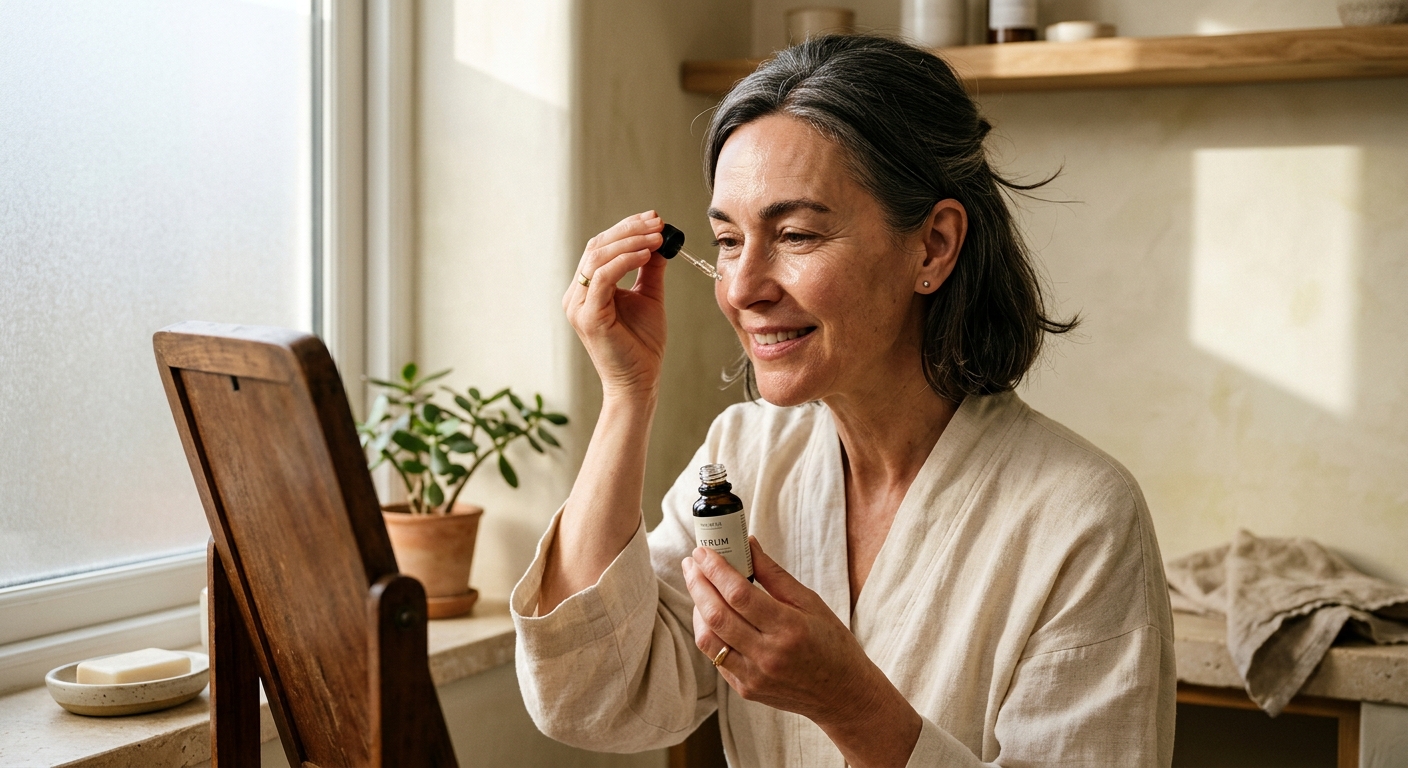
30 Percent of Collagen Disappears in Five Years After Menopause, Enter Estrogen Skincare
As evidence mounts that estrogen decline, not age, drives postmenopausal skin thinning, topical estradiol and estriol are opening a new category of hormone-based skincare.

PDRN Polynucleotide: K-Beauty's New Paradigm in Skin Regeneration
Derived from salmon DNA, PDRN was first brought to clinical use by Korean dermatology. It promotes fibroblast activity, collagen synthesis, and angiogenesis, while topical PDRN formulations now reach 78% of injectable efficacy according to a 2026 PMC review.
Alpha Lipoic Acid Nearly Erases Fine Lines Around the Eyes
A clinical trial found 5% ALA cream nearly eliminated fine lines around the eyes.

Biostimulatory Fillers: The Next Generation That Builds Collagen, Not Just Volume
The HA filler market is projected to reach $15.35 billion by 2035, but 59% of patients now prioritize longevity of results. Sculptra, Radiesse, and polynucleotides are redefining what a filler can do by triggering the skin's own collagen production.
Oral Hyaluronic Acid Improved Hydration and Wrinkles Across 7 RCTs
A meta-analysis of seven randomized controlled trials found that oral hyaluronic acid supplementation at 120-200mg per day improved skin hydration, elasticity, and wrinkle depth within 4-12 weeks.
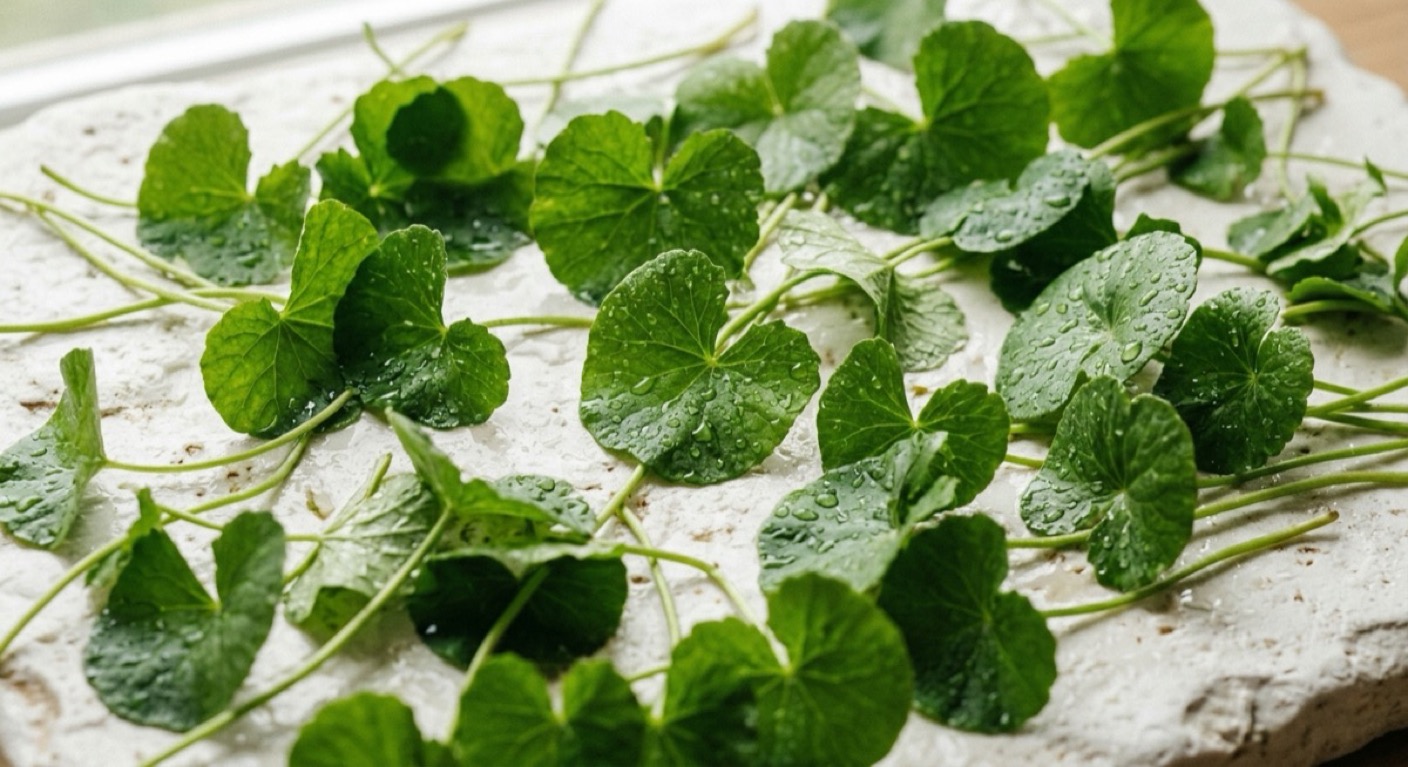
Centella TECA, How Tiger Grass Became K-Beauty's Skin Repair Standard
Centella TECA, How Tiger Grass Became K-Beauty's Skin Repair Standard

A 12-Week Polyphenol Supplement Rebuilt Skin Barrier Against Pollution
A randomized controlled trial found that a polyphenolic supplement improved skin barrier function, hydration, sebum regulation, and anti-aging markers over 12 weeks. The NF-κB pathway is the key mechanism.

Pomegranate Extract Reduces Crow's Feet 48% in 60-Day Clinical Trial
A double-blind randomized trial of 80 women found that 300mg of Grantria pomegranate extract daily reduced crow's feet wrinkles by 48%, skin roughness by 43.3%, and improved radiance by 42.8% after 60 days.
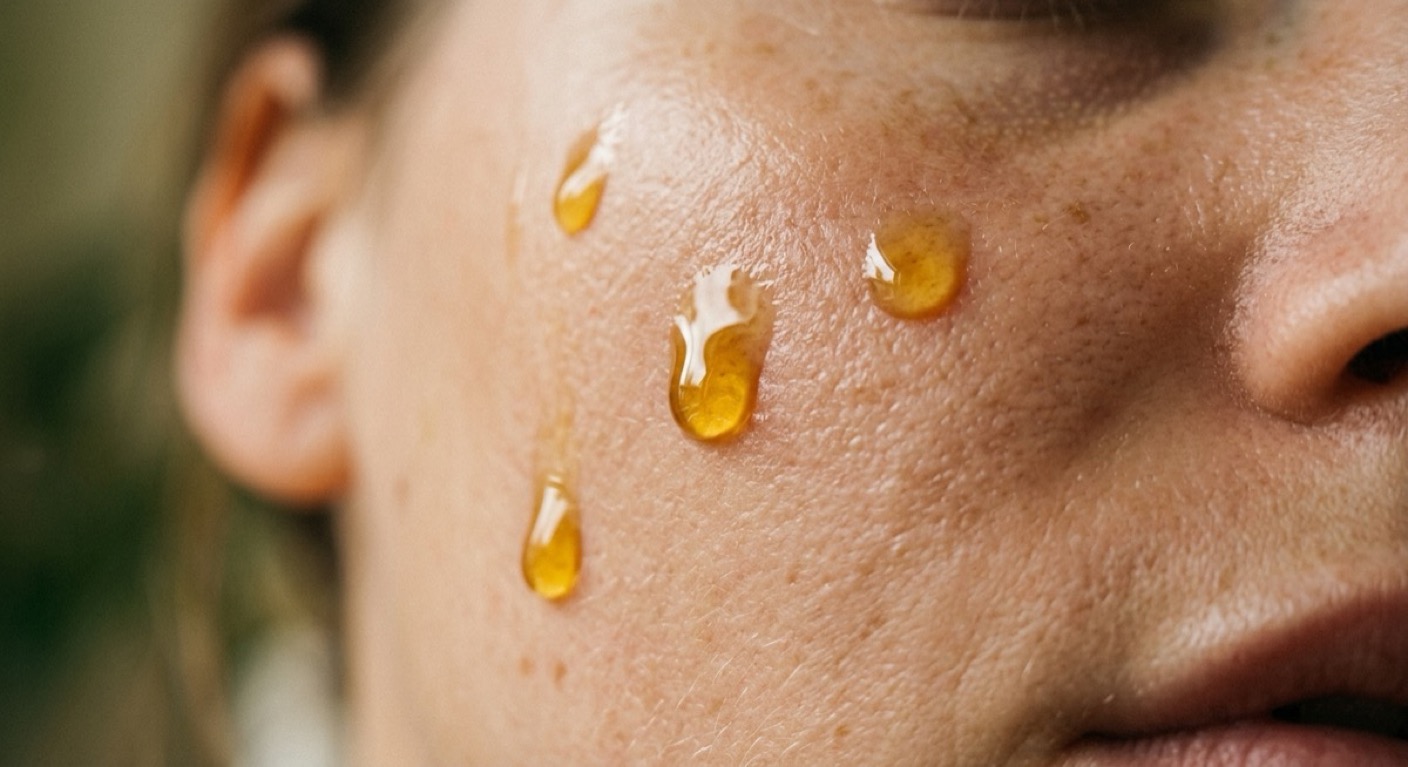
Topical Omega-3 Does Not Just Calm Skin Inflammation, It Resolves It
When DHA and EPA are applied to skin, they convert into SPMs, specialized pro-resolving mediators that actively clear inflammation rather than suppress it. A new paradigm in topical skincare from the International Journal of Cosmetic Science.

Estriol Skincare Targets the Collagen Collapse After Menopause
Bio-identical estrogen applied topically to skin activates estrogen receptors in the dermis to stimulate collagen synthesis and hyaluronic acid production. The American Society of Plastic Surgeons outlines the science behind hormone-responsive skincare.
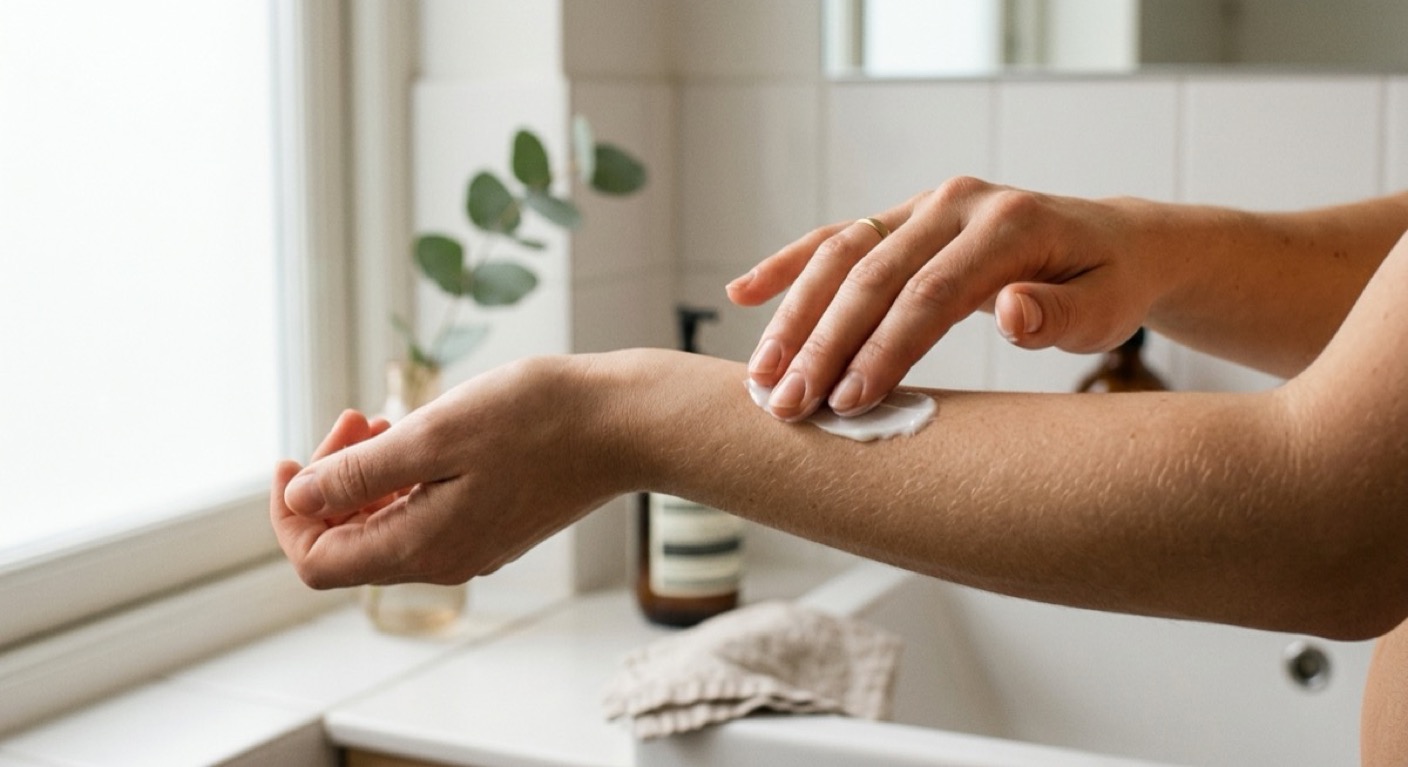
PEA Cream Significantly Reduces Eczema Redness, Dryness, and Itch in 4 Weeks
A clinical study of 72 participants showed that topical Levagen+ PEA (palmitoylethanolamide) applied twice daily significantly reduced eczema-associated redness, dryness, and itching over four weeks, with no adverse effects.
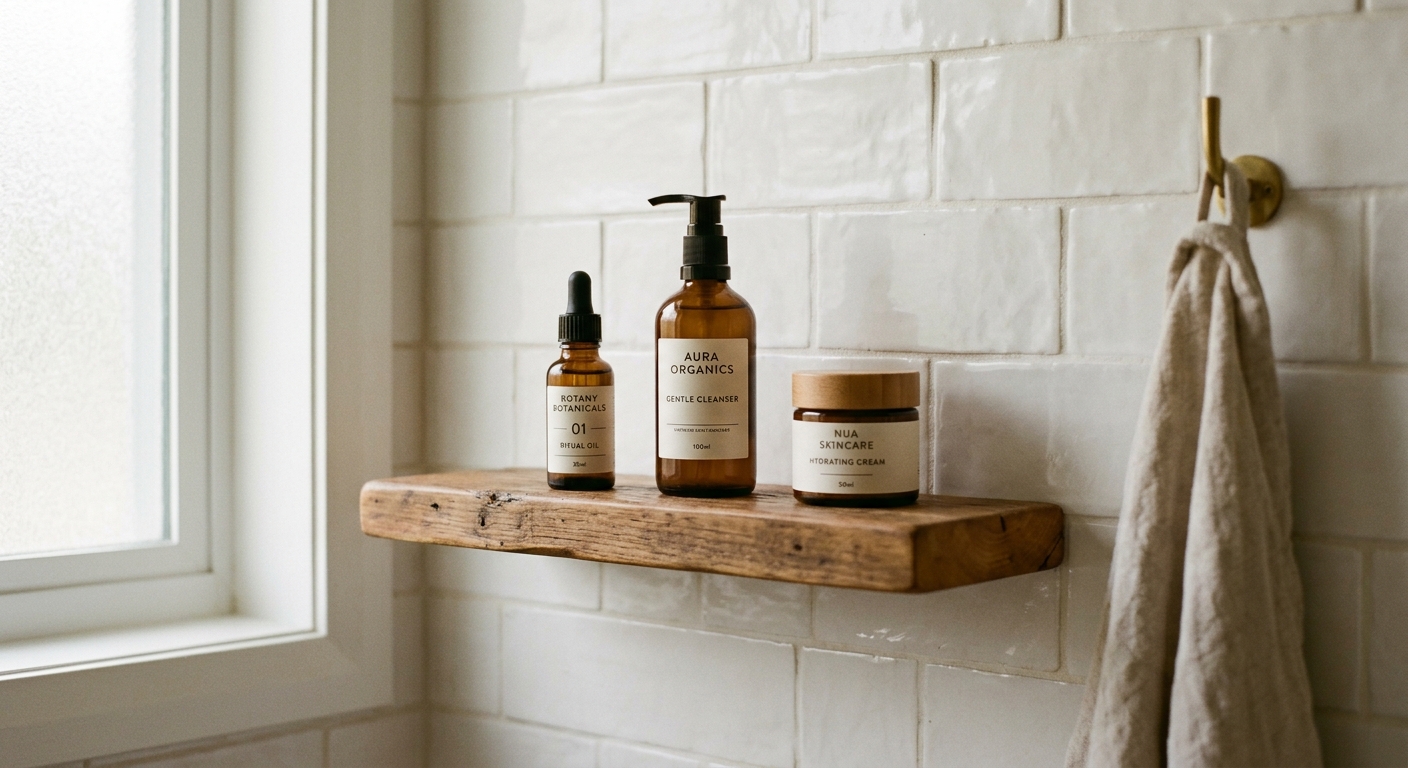
Skinimalism and Skin Fasting: What Dermatologists Actually Think
As a counter-movement to 10-plus step routines, skinimalism is gaining momentum in 2026. Dermatologists support the 3-4 step approach but draw a clear line at skipping the fundamentals.

Clean at Sephora Surpasses 3,000 Products and Bans PFAS from Packaging
Clean at Sephora has expanded to over 3,000 products across 250-plus brands. A December 2025 update extended its banned list from product ingredients to packaging materials, adding PFAS, bisphenols, silver salts, and mineral oils.

Natura Bissé Brings Regenerative Medicine Into Your Moisturizer
Natura Bissé's new Essential Shock Revolution Pro-Exo Collagen Cream ($165) launched March 2026, translating exosome-inspired technology from clinical settings into a luxury daily moisturizer. The Pro-Exo Protein System targets skin suppleness and density through growth factors and bioengineered peptides.

Beyond Cica, Centella Extracellular Vesicles Show 34% Wrinkle Reduction in 28-Day Trial
A pilot study of centella asiatica extracellular vesicle serum found 21% hydration improvement, 34% wrinkle reduction, and 34% redness decrease over 28 days. The next evolution of cica skincare.

La Roche-Posay Enters 1,460 Walmart Stores, Bringing Dermatologist-Recommended Skincare to Mainstream Retail
The French dermocosmetics brand has launched across 1,460 Walmart locations nationwide, pairing five clinical skincare products with a pharmacist training program for in-store consultations.
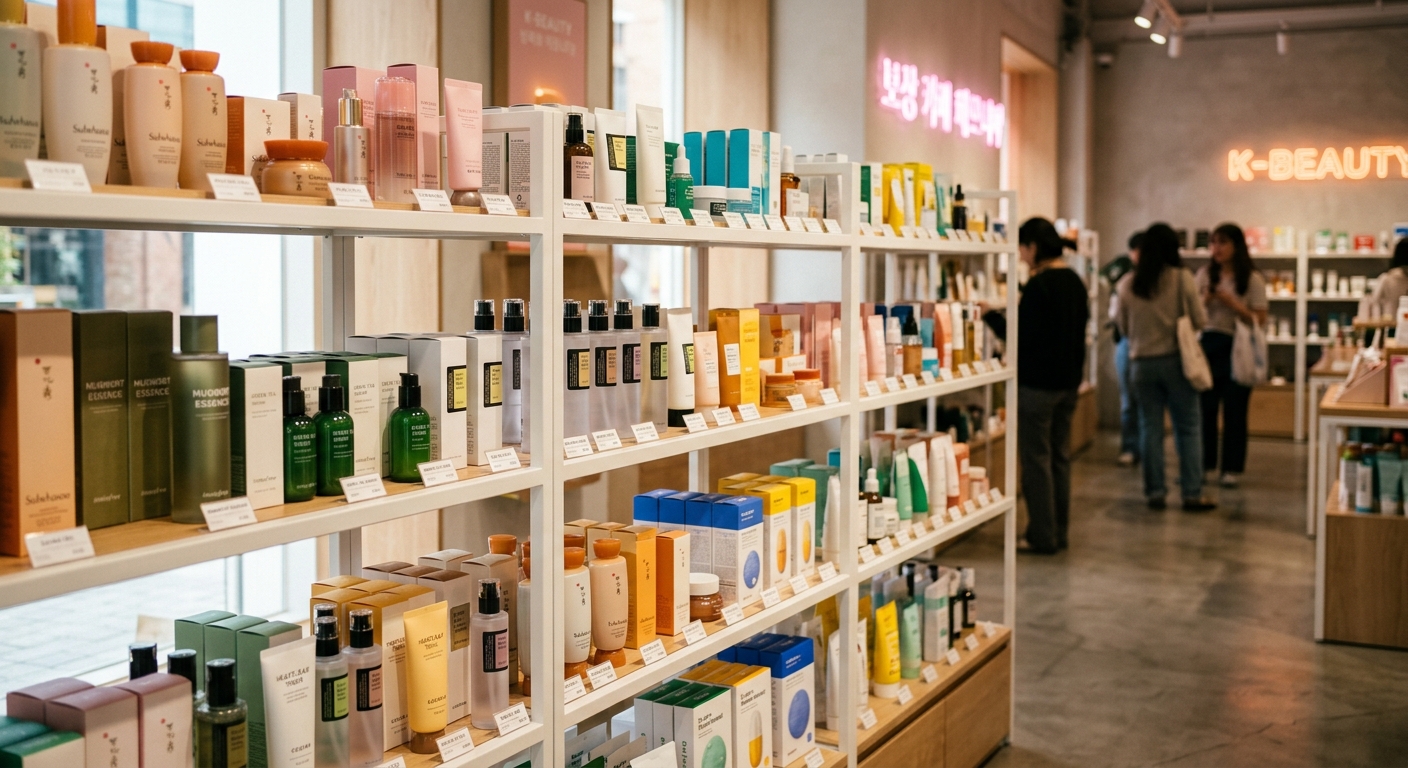
Olive Young Data Shows Capsule Cream Searches Up 1,379% in 2026
Olive Young search data reveals capsule cream up 1,379%, gel cream up 196%, PDRN up 90%, and barrier-care terms in makeup up 150%. Slow aging is replacing aggressive actives as the dominant K-beauty framework.
One Ingredient Is No Longer Enough, Mendora's Multi-Pathway Skin Supplement
Mendora's The Skin Repair Formula ($105) combines grass-fed hydrolyzed collagen peptides, hyaluronic acid, ceramides, and supporting vitamins into a single ingestible beauty supplement. A look at the shift from single-ingredient obsession to mechanism-driven formulations.

Blue Light and Digital Aging: What Screens Really Do to Your Skin
A Journal of Cosmetic Dermatology review confirms that blue light penetrates deeper than UV-B, generates ROS in the dermis, and drives collagen breakdown and hyperpigmentation. SPF alone is not enough.

Tatcha's New SPF 50 Makes the Case for Ectoin
Tatcha's $50 Milky Sunscreen SPF 50 puts ectoin in the spotlight, a natural amino acid from extremophile microorganisms whose search volume jumped 86% year-on-year. The launch signals how sunscreen is evolving from pure protection into skincare.

Astragalus and Centella Oral Supplements Raised Collagen 13.2% in 12-Week Trial
A randomized double-blind trial from Taiwan enrolled 150 adults and found that a twice-daily oral capsule combining Astragalus and Centella Asiatica saponins increased skin collagen density by 13.2% after 12 weeks. Combined use with a topical cream pushed pore reduction to 28.5% and hydration up by 12.9%.

Treat Your Scalp Like Skin, Christophe Robin's New Standard
The Parisian hair colorist brand launches a Fortifying Scalp Serum clinically shown to increase new strands by 15% in 12 weeks. As scalp care claims its place in the skincare routine, the formula makes a quiet but clear argument.

Oral Ceramides Rebuild the Skin Barrier from Within
Multiple RCTs show that 350mg daily of plant-derived phytoceramides from rice or wheat extract reduces TEWL and improves stratum corneum hydration within 4 to 12 weeks.

The First Drug That Targets Itch Directly, Not Just Atopic Inflammation
Nemolizumab (Nemluvio), the first IL-31 receptor blocker approved by the FDA, delivered itch relief within 48 hours and kept over 90% of patients significantly improved at two years.
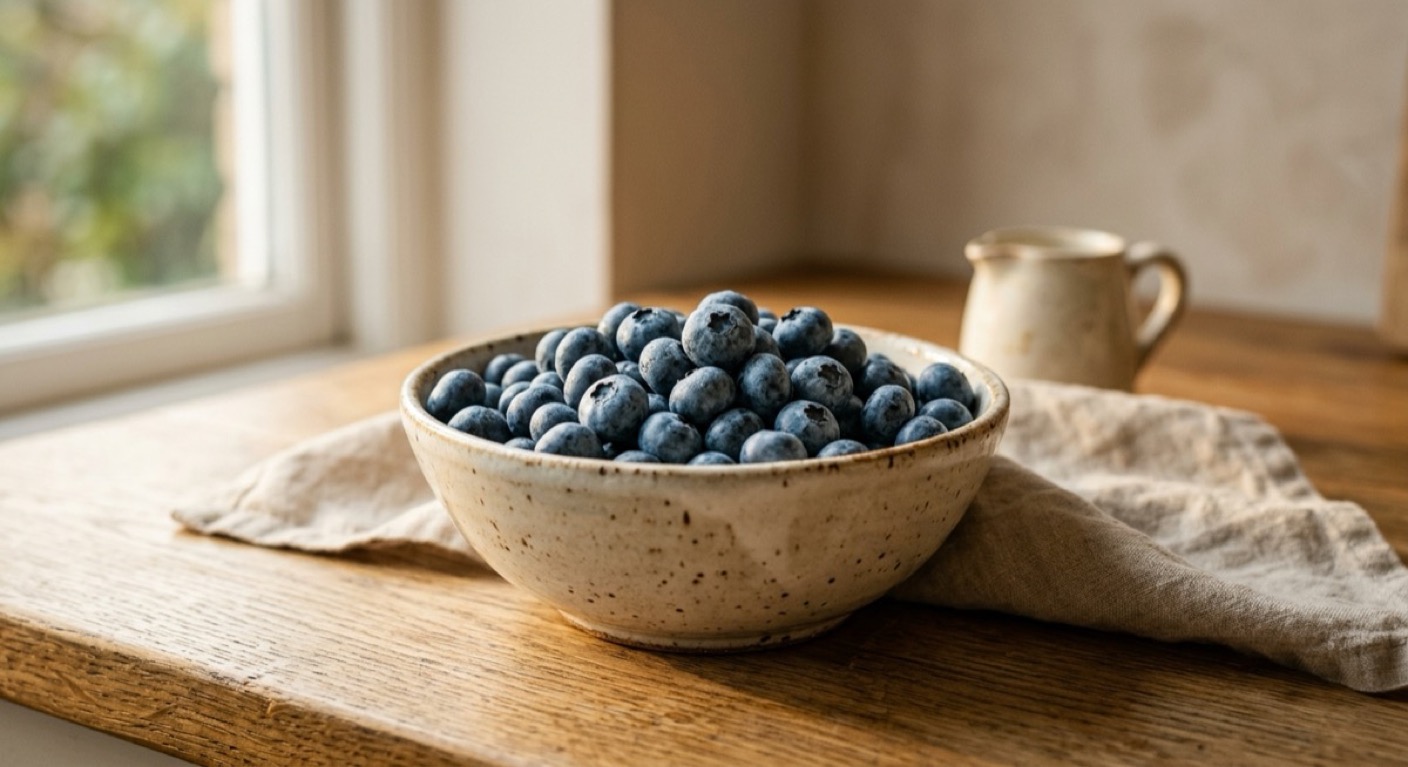
The Blueberry Antioxidant That Measurably Changed Skin in 28 Days
A double-blind, split-face clinical trial found that a 0.1% pterostilbene emulsion significantly improved skin elasticity, firmness, and wrinkle area within 28 days. As a dimethylated derivative of resveratrol, pterostilbene offers roughly four times the bioavailability.
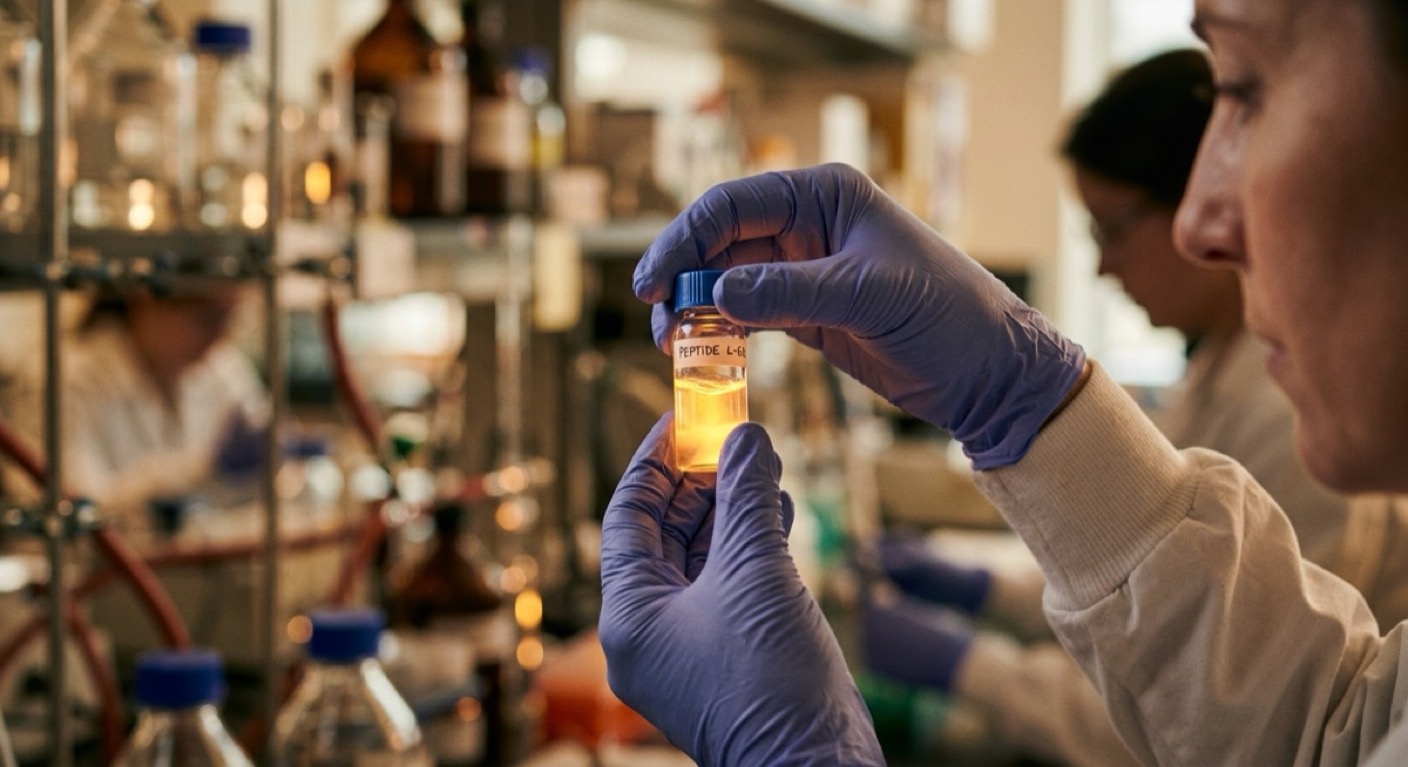
Manchester's 'Super Peptides' Trick Skin Into Repairing Itself
University of Manchester researchers developed two synthetic tetra-peptides (pal-GPKG, pal-LSVD) that mimic damage signals, triggering renewal of collagen and fibrillin. Over 50 key skin proteins showed increased expression — and the technology is suitable for sensitive skin.
Almay Returns as a Clean Beauty Brand with Miranda Kerr as Global Ambassador
Almay has announced a full brand relaunch under the tagline 'Clean Makeup That Thinks It's Skincare,' with Miranda Kerr as global ambassador. The revamp brings refreshed packaging, clearer ingredient communication, and a reminder that Almay has been formulating skin-first makeup since the 1960s.
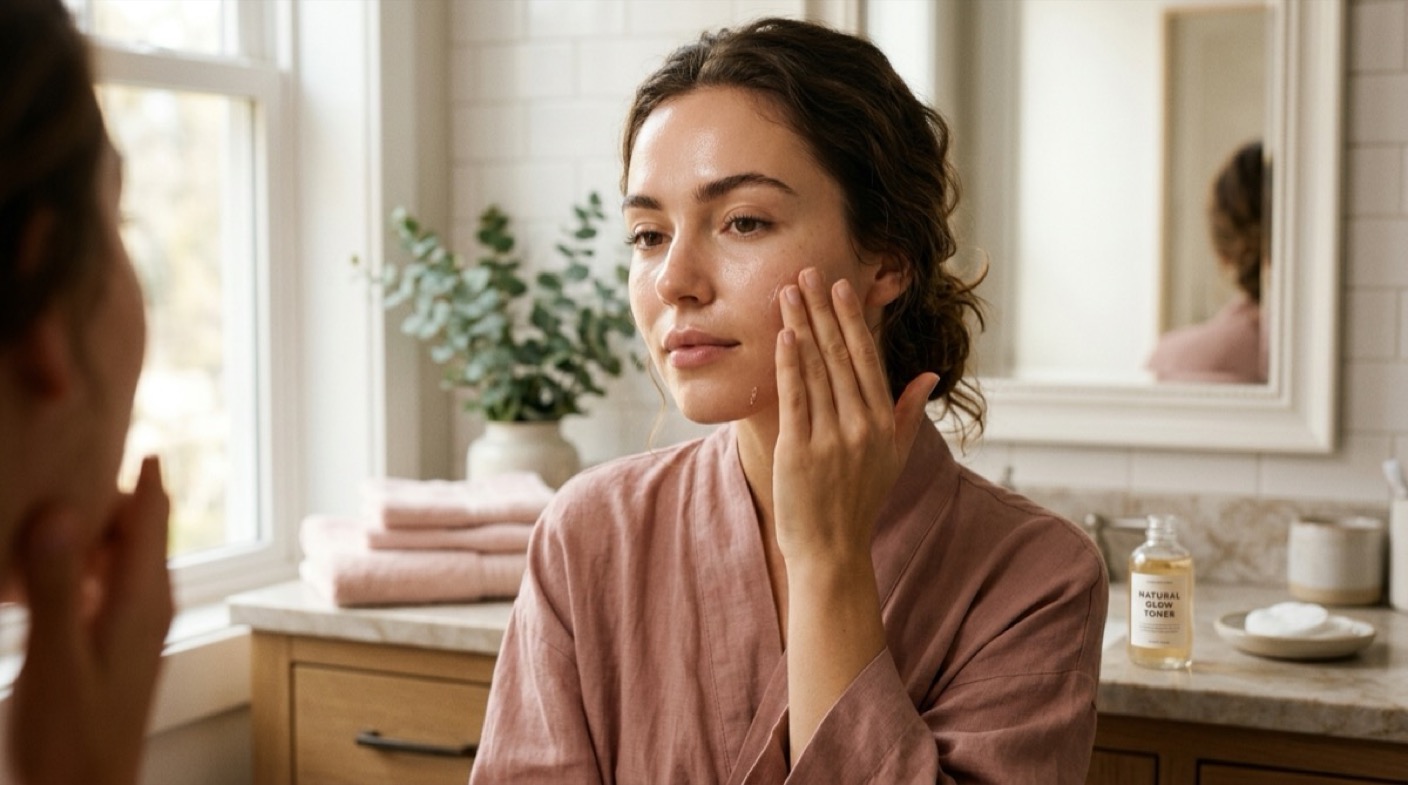
K-Beauty Moves from Glass Skin to Bloom Skin
The defining K-beauty aesthetic of 2026 shifts from high-gloss glass skin to bloom skin, prioritizing barrier health, natural luminosity, and hydration layering over reflective shine.
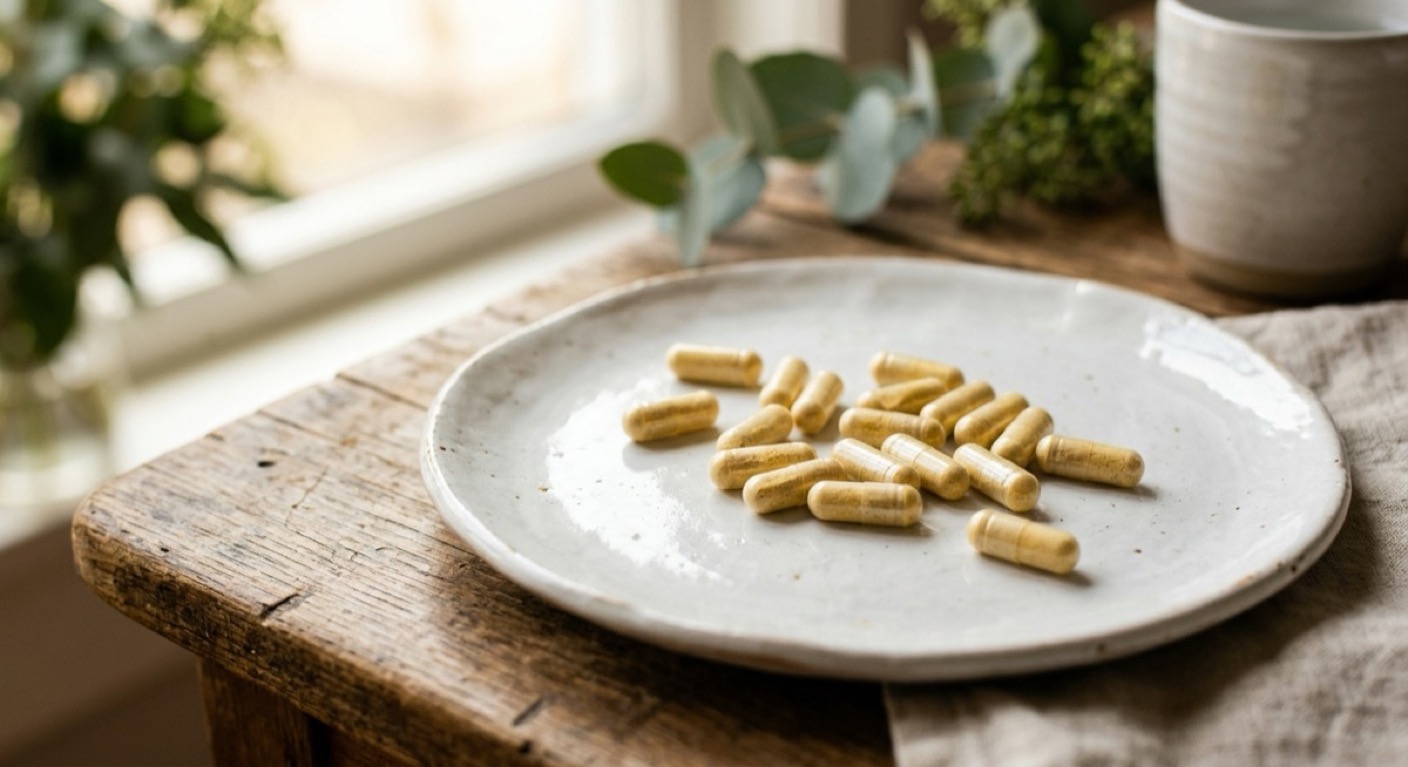
Oral Probiotics Cut Acne Severity in Half, RCT Finds
A 12-week double-blind, placebo-controlled trial in Spanish dermatological clinics found that a probiotic combining L. rhamnosus and spirulina improved acne severity in 50% of patients, versus 29% on placebo.
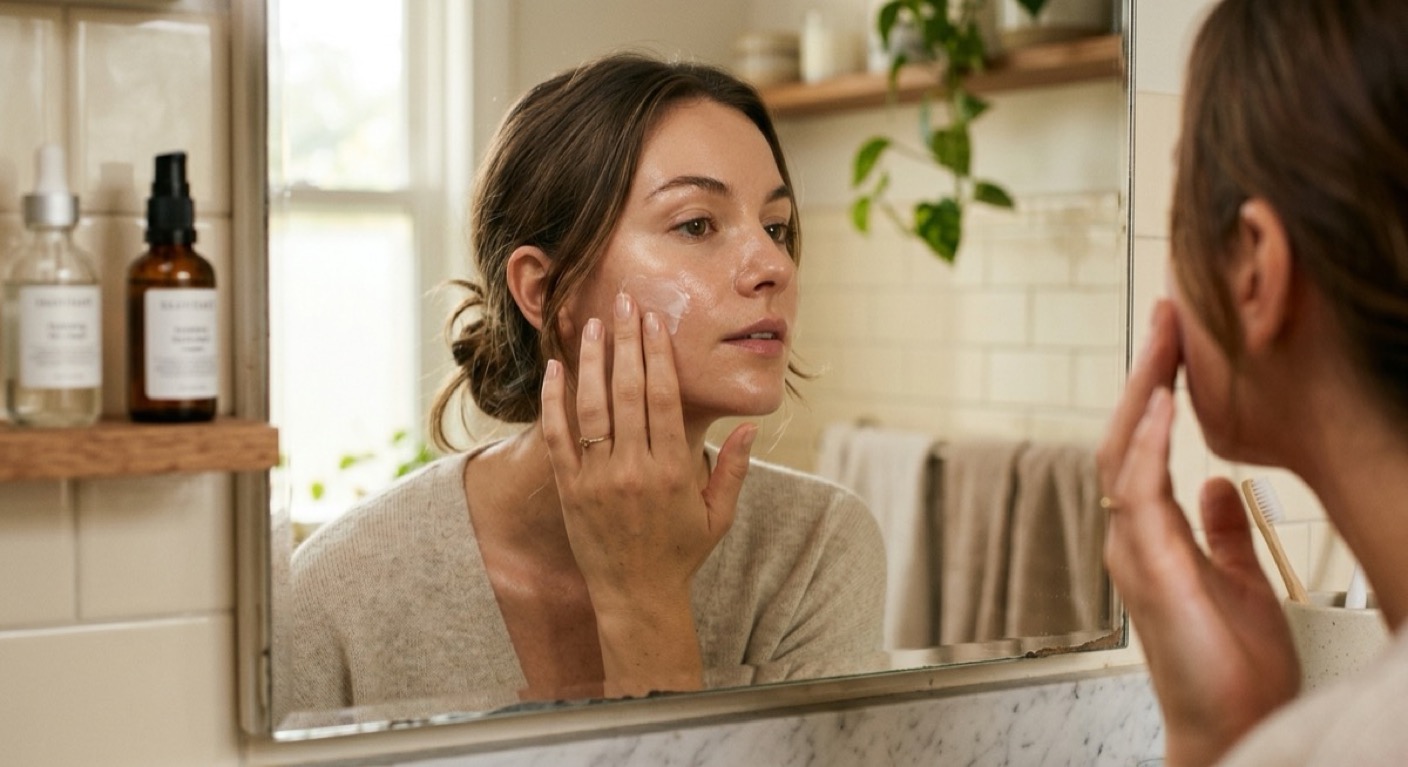
Topical Probiotics for Acne: When Skin Science Stops Killing and Starts Restoring
A double-blind clinical trial shows topical Lactobacillus strains reduced inflammatory acne lesions by 34.4% in four weeks, marking a shift from antibiotic-first to microbiome-first approaches.

Fermented Skincare and Postbiotics: K-Beauty's Science Gets Deeper
A 2025 clinical trial of galactomyces-fermented serum showed 37% hydration increase and 29% fine line reduction over eight weeks. As postbiotic technology advances, K-beauty is moving beyond fermented ingredients as a trend into precision microbiome formulation.
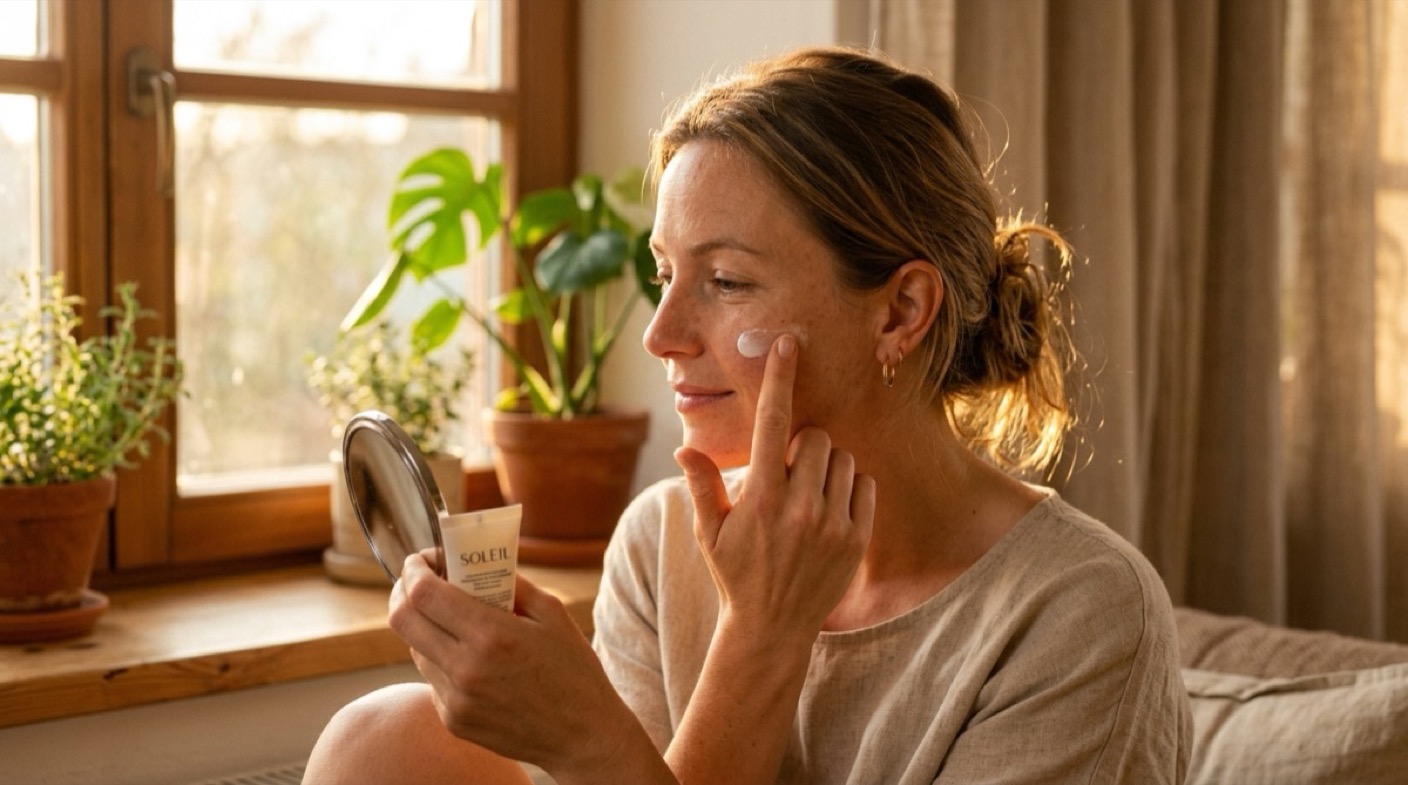
Neutrogena's Helioplex 360 Targets the Wavelengths Your Sunscreen Ignores
Presented at AAD 2026, Helioplex 360 addresses the 380-430nm boundary region light that virtually no current sunscreen defends against. Two clinical studies spanning all skin types back the claim.
Lymphatic Drainage Facials: What the Science Actually Says
Gua sha and facial lymphatic massage have gone viral. A Stanford lymphatics researcher cuts through the hype to explain what these rituals actually do, and what they can't.

Pycnogenol Reduces Melasma Area by 26% and Shows 80% Improvement Rate in Clinical Data
French maritime pine bark extract pycnogenol inhibits tyrosinase and shields against UV radiation, showing effective improvement in 80% of melasma patients. In a double-blind trial, MMASI improved 49% vs 34% with placebo.

Ozempic Face: What Happens to Your Skin When GLP-1 Drugs Shed Weight Fast
61% of GLP-1 drug users reported midface volume loss, 50% skin laxity. New research explains the collagen mechanism behind rapid weight loss and what can be done before and after it happens.
Oral Ceramides Improve Skin Hydration and Elasticity in 12-Week Trials
Oral ceramides from milk, wine lees, rice, and wheat improved skin hydration, elasticity, TEWL, and wrinkles in multiple 12-week RCTs. Plant ceramides at 30-40mg per day match topical efficacy.
Spicules Are the K-Beauty Ingredient Turning Serum Bottles into Needling Tools
Marine sponge-derived spicules are bringing microneedling-like effects to at-home skincare. Korea is leading the charge, and the global market is catching on.
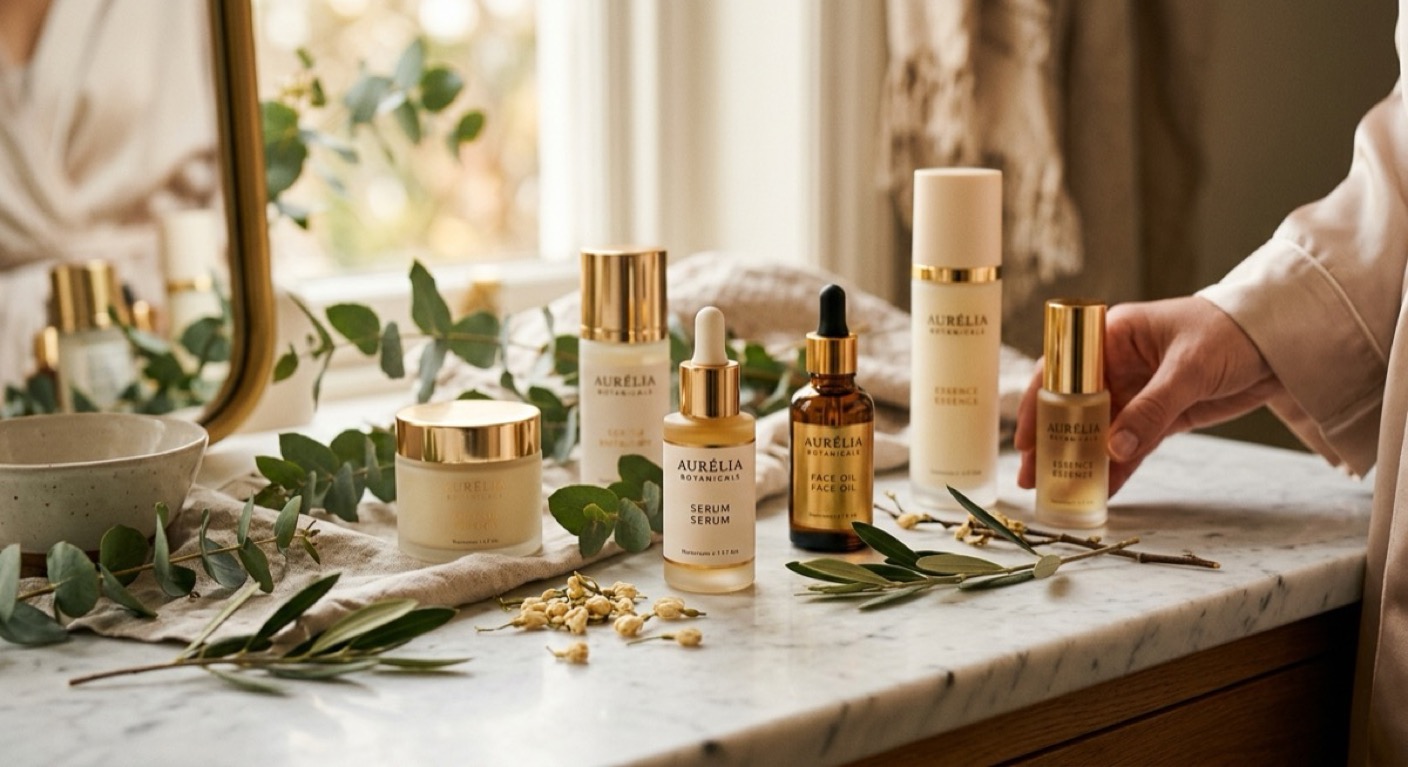
Lancôme Unveils Absolue Longevity MD Line Powered by Mitopure
Lancôme partnered with Swiss biotech Timeline to launch a mitochondria-targeting skincare line at AAD 2026. Priced $155-$175, the three-product range arrives on April 20 in the US.

Bakuchiol Matches Retinol for Anti-Aging, With Far Fewer Side Effects
A double-blind randomized trial found no statistical difference between bakuchiol and retinol in reducing wrinkle surface area and hyperpigmentation. The retinol group reported significantly higher rates of scaling and irritation.
NewBeauty 2026 Awards: 395 Winners Signal Where Beauty Is Heading
NewBeauty's 16th Annual Awards named 395 winning products and treatments across 10 categories. With 150 board-certified dermatologists on the jury, the results reveal beauty's tilt toward science, innovation, and wellness.

A Postbiotic Strain Improved Skin Elasticity in Women in Their 30s and 40s Within 5 Weeks
A randomized, double-blind clinical trial found that heat-inactivated L. sakei KABP-065 significantly improved facial skin elasticity and firmness versus placebo in women aged 30 to 50 with self-perceived dry skin, with moisture benefits pronounced in the 40s subgroup.
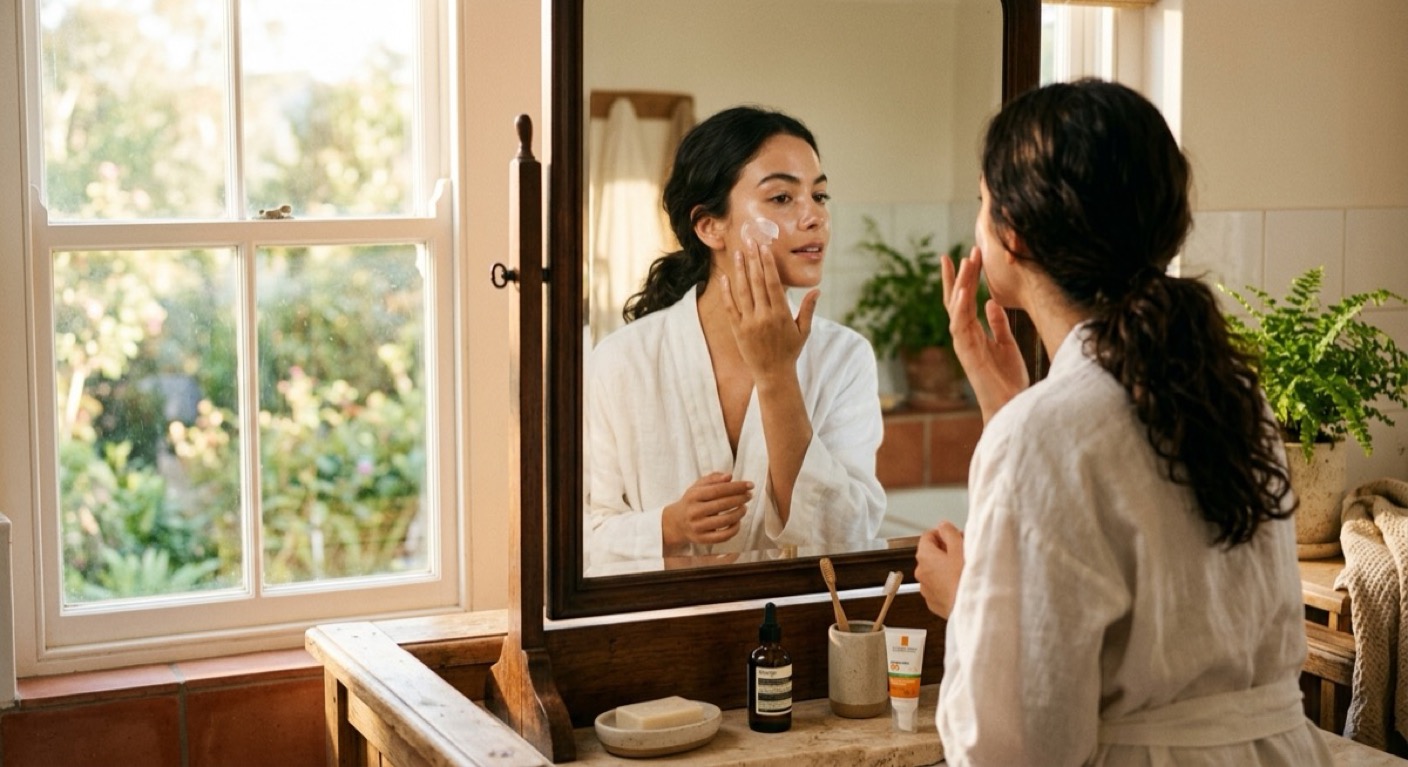
Bemotrizinol Could Become the First New UV Filter Approved in the US in Decades
Bemotrizinol (BEMT), a broad-spectrum UV filter used internationally for 20 years, is on track for FDA approval in 2026. Cosmetic chemists say it outperforms every sunscreen filter currently available in the US.

The 10-Step Routine Era Is Over. Skincare in 2026 Is All About Biotech Minimalism
K-beauty sales surged 37% while consumers quietly burn out on multi-step routines. Exosomes, PDRN, and masstige are rewriting the rules of skincare in 2026.
62 Dermatologists Evaluated 318 Ingredients, Only 23 Earned Consensus, Retinoids Topped 5 of 7 Concerns
A Delphi consensus study published in JAAD surveyed 62 cosmetic dermatologists across 43 institutions. Out of 318 skincare ingredients, only 23 achieved expert consensus, with retinoids recommended for 5 of 7 skin concerns and over 96% agreement.

Hormonal Acne in 2026 Is Being Treated From the Inside Out
A growing understanding that hormonal acne stems from internal hormone sensitivity and microbiome imbalance, rather than elevated hormone levels in the bloodstream, has put DIM supplements and postbiotic therapies at the center of 2026's most-watched skin trend.

SkinVive: The First FDA-Approved Injectable Moisturizer
SkinVive by JUVÉDERM injects hyaluronic acid microdroplets into the upper dermis to hydrate skin from within. In clinical trials, 84% reported improved skin health at 3 months, with effects lasting 6-9 months.
Lactoferrin Starves Acne Bacteria by Blocking Their Iron Supply, Trial Shows 44% Drop in Inflammatory Lesions
A 168-person double-blind RCT published in the International Journal of Dermatology found that lactoferrin, a milk-derived iron-binding protein, cut inflammatory acne lesions by 44% over 10 weeks. First measurable results appeared at the two-week mark.

Malassezin Matches Hydroquinone for Melasma in Split-Face Trial
A randomized, double-blind, split-face trial in 20 women found 0.75% malassezin performed comparably to 4% hydroquinone over 12 weeks for melasma, with no significant differences in brightening, global improvement, or hemi-MASI scores.
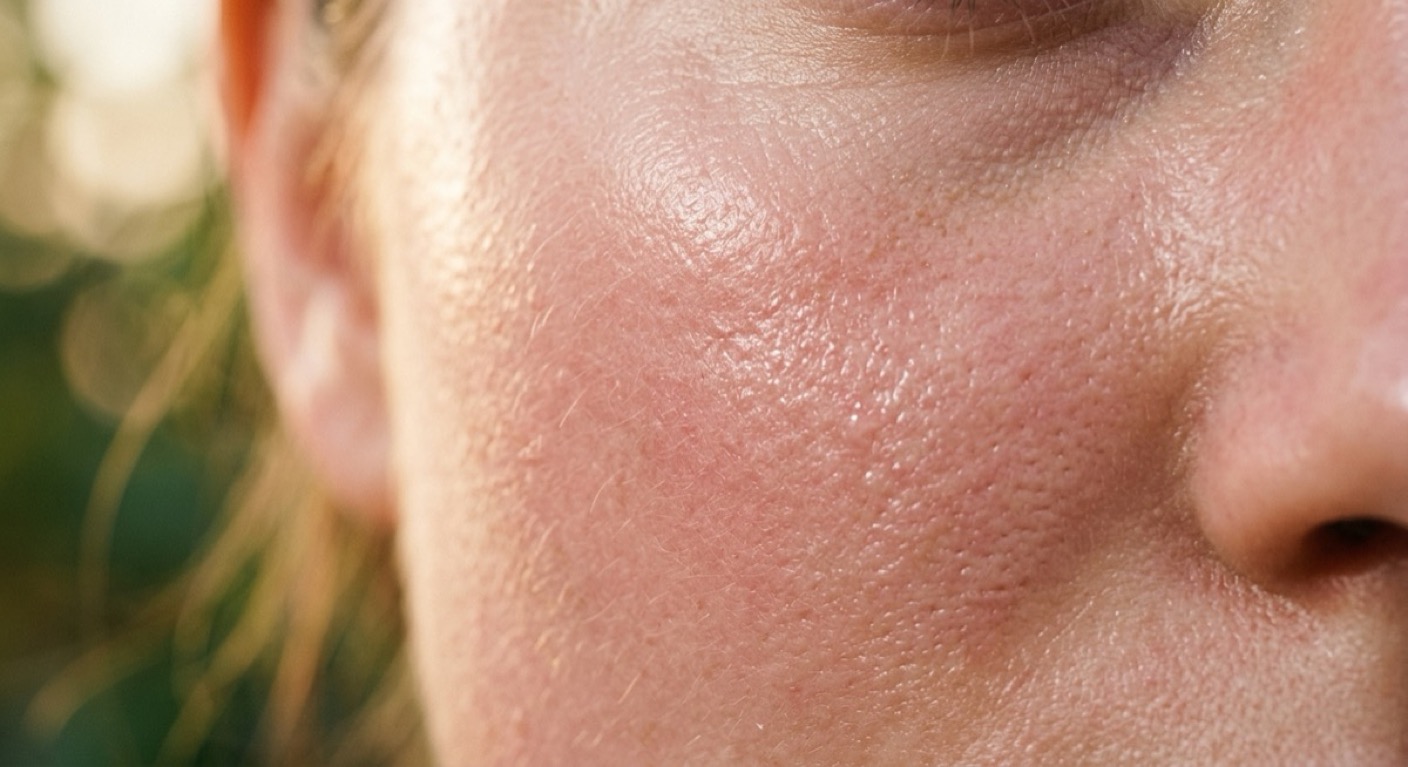
A Probiotic You Apply to Skin Reduces Eczema Severity by Over 75%
NIAID's R. mucosa-based topical probiotic Defensin cut eczema severity in more than 75% of clinical trial participants. It targets the skin microbiome directly, not the gut.

Microbiome Beauty Grows 68% Annually, Becoming Skincare's New Baseline
Microbiome-related beauty product launches grew 68% annually from 2018-2023. 75% of consumers recognize prebiotic/probiotic barrier benefits, and gut-skin axis innovation is accelerating.
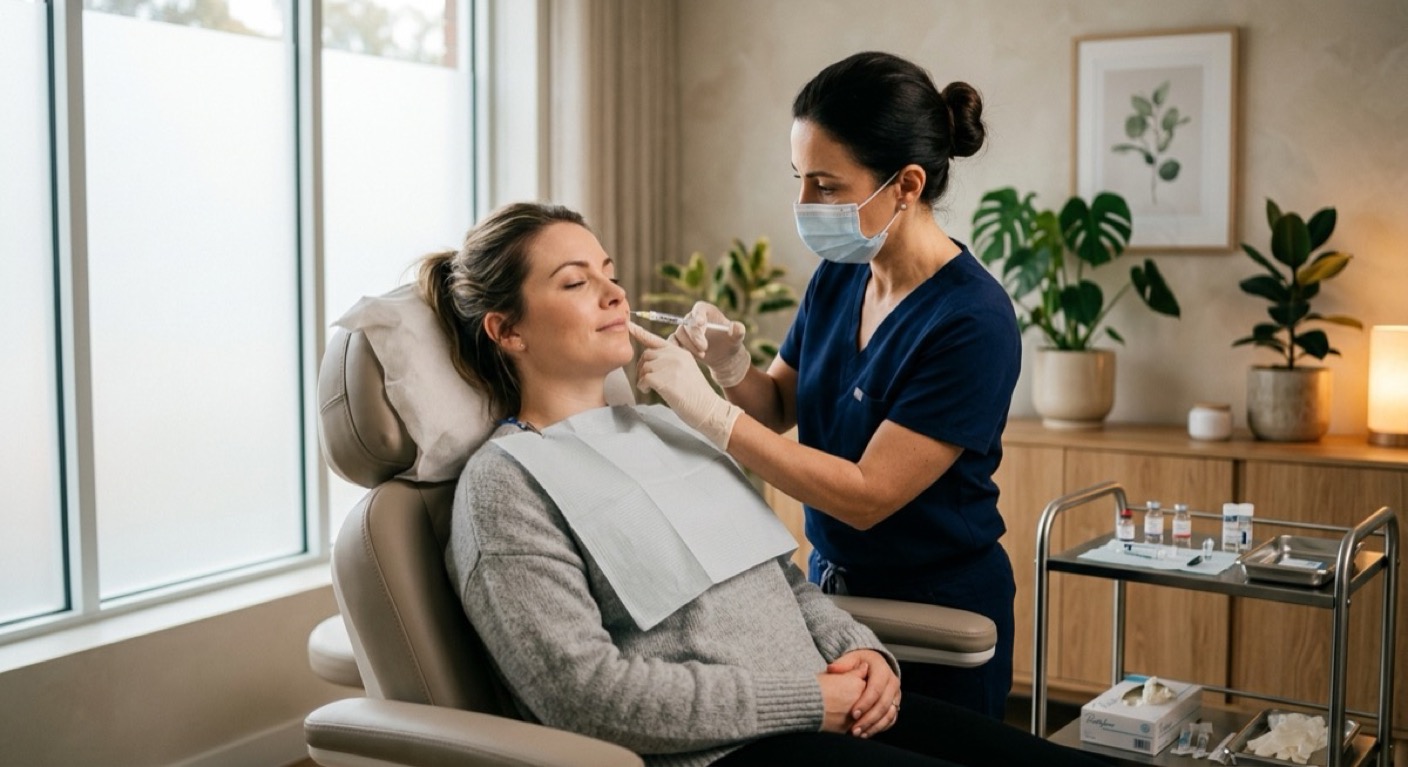
Profhilo: How HA Bioremodeling Differs from Traditional Fillers
Profhilo uses NAHYCO technology to combine high and low molecular weight hyaluronic acid without chemical cross-linkers, simultaneously stimulating collagen, elastin, and HA production. Statistically significant skin firmness improvements appear from week 4, lasting 6-12 months.

Taurine Protects Skin Barrier From Sleep Loss, Via Estrogen
A 2025 Nutrients study found that topical taurine restored skin barrier proteins and collagen in sleep-deprived female mice by activating the estrogen signaling pathway. The findings open a new angle on managing estrogen-related skin changes without hormones.
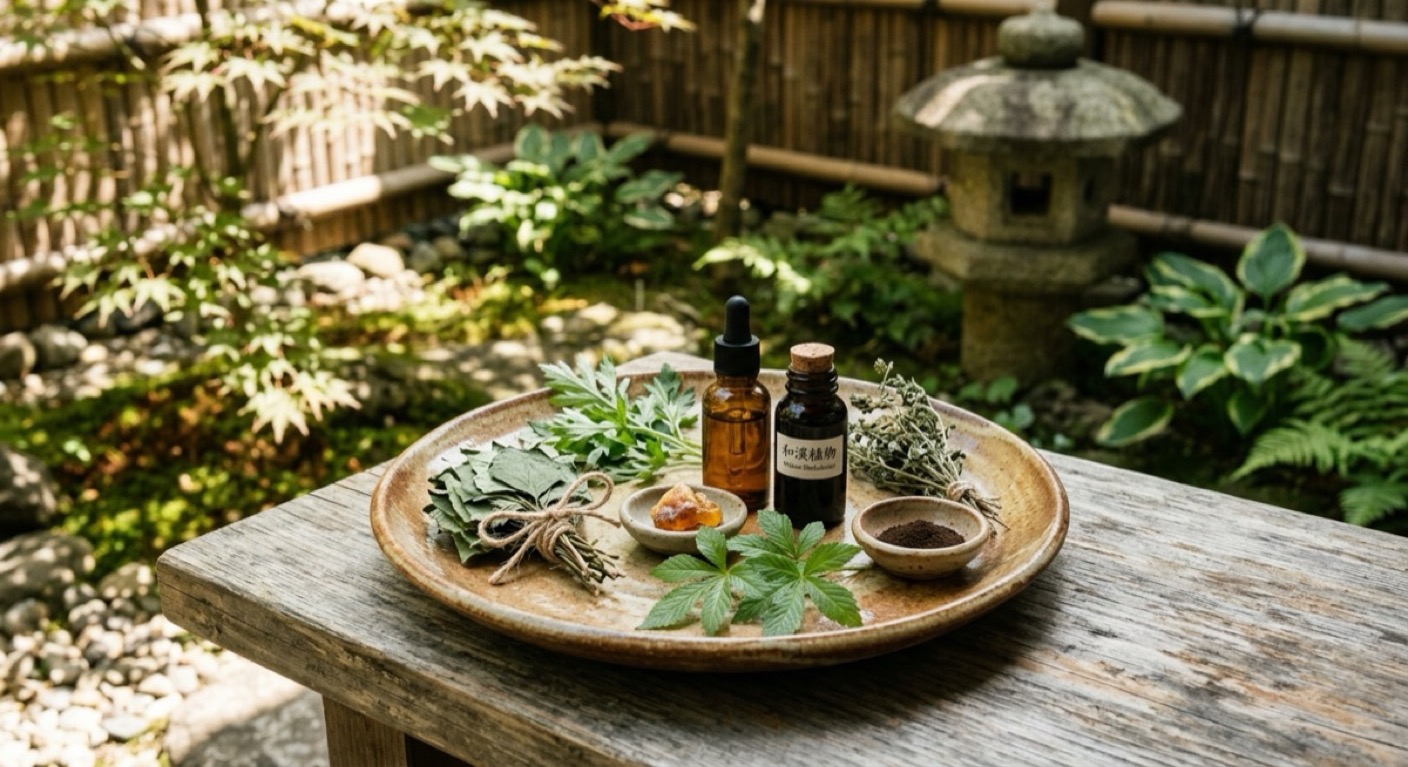
Kampo Herbal Cream Reduced Fine Eye Wrinkles in 28-Day Split-Face Trial
A Japanese clinical team used a split-face design to show that a quasi-drug cream containing tranexamic acid, dipotassium glycyrrhizate, and Kampo botanical extracts significantly reduced fine wrinkles at the eye corners over 28 days. Older participants showed the most pronounced improvement.
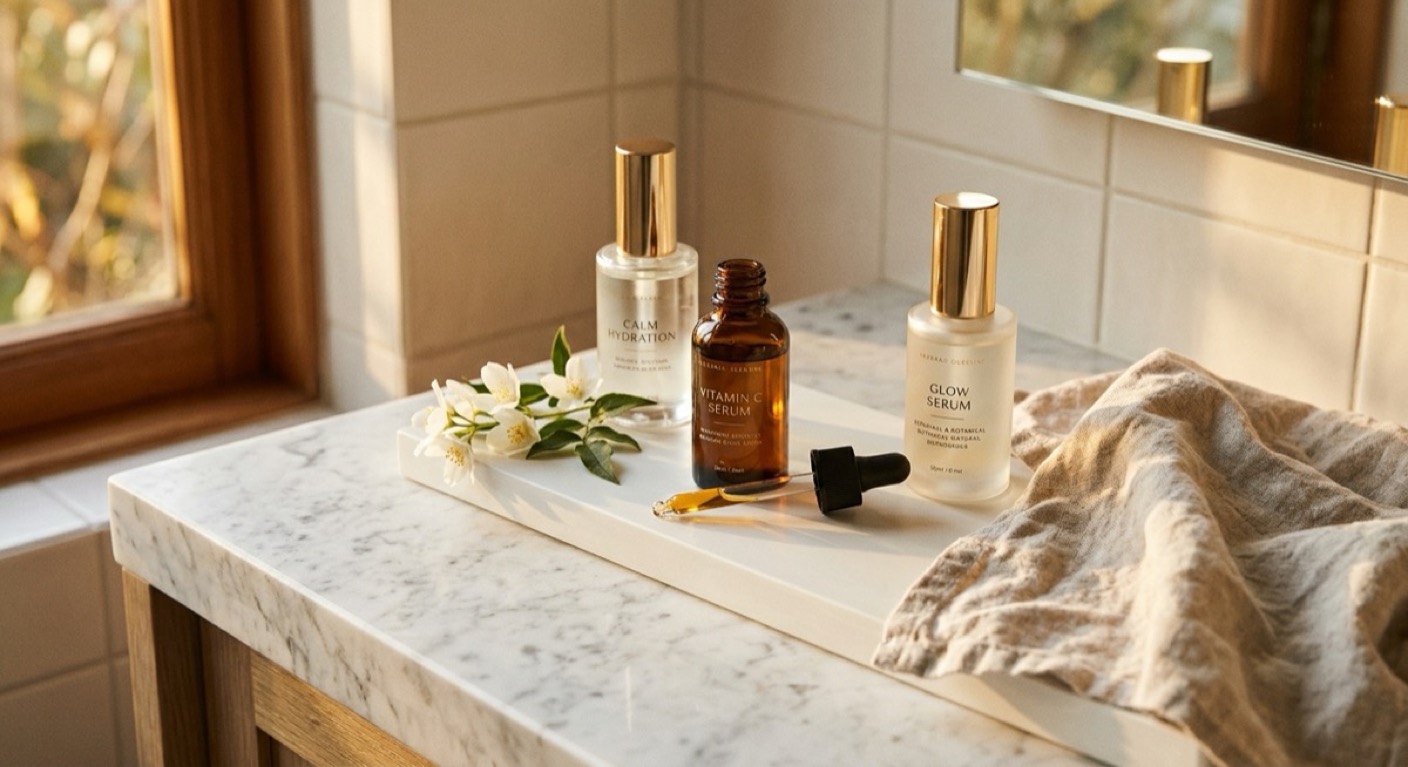
Neutrogena at AAD 2026: 20 Studies on Aging, Barrier, and UV Gaps
Kenvue brands Neutrogena, Aveeno, and Rogaine unveiled 20 research abstracts at the 2026 AAD Annual Meeting in Denver, covering vitamin C stability, high-dose retinol, oat-based moisturization, and next-generation UV filtration.

Centella Asiatica Exosome Serum Shows Pore, Elasticity, and Hydration Gains in 28-Day Trial
A 2025 clinical study of a CICA-derived extracellular vesicle serum showed statistically significant improvements across hydration, elasticity, pigmentation, and pore size in 28 days. Centella is moving beyond a soothing ingredient into structural skin recovery.

Alpha-Arbutin Plus Kojic Acid Matches Triple Cream for Melasma, With Less Irritation and Lower Relapse
A 2025 split-face randomized trial found that alpha-arbutin 5% combined with kojic acid 2% produced statistically comparable melanin reduction to prescription triple combination cream, while showing fewer adverse effects and more stable results after treatment ended.

Menopause and Skin: 30% Collagen Lost in the First Five Years
A 2026 clinical review quantifies how fast skin collagen disappears after menopause—and what hormone therapy, supplements, and skincare can do about it. The numbers are more significant than most women are told.

Biotin for Hair Loss: What the Evidence Actually Shows
Millions of people take high-dose biotin for hair growth. A systematic review in the Journal of Clinical and Aesthetic Dermatology found only three qualifying studies—and the best-designed one showed no benefit in healthy adults.

The Science Behind Ozempic Face: How GLP-1 Drugs Affect Skin at the Cellular Level
A 2026 review reveals the precise biological pathways through which GLP-1 receptor agonists accelerate facial aging—while simultaneously reducing systemic inflammation. The paradox is real, and so are the solutions.
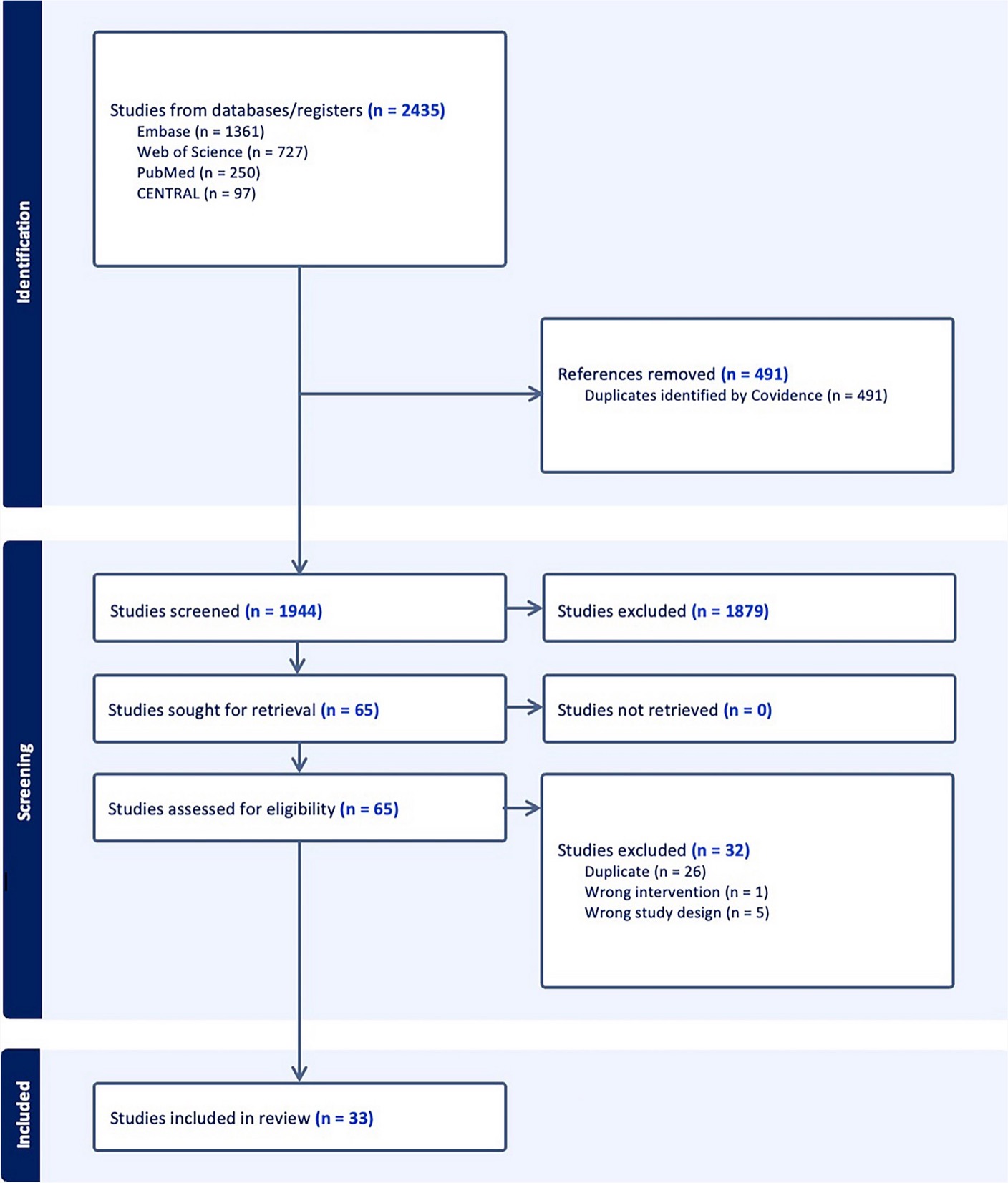
Postbiotics Emerge as a New Paradigm in Acne Management
A 2026 systematic review found evidence that prebiotics, probiotics, and postbiotics can play supportive roles in acne treatment. L.plantarum HY7714 improved elasticity, while Akkermansia-derived postbiotics showed skin barrier recovery potential.
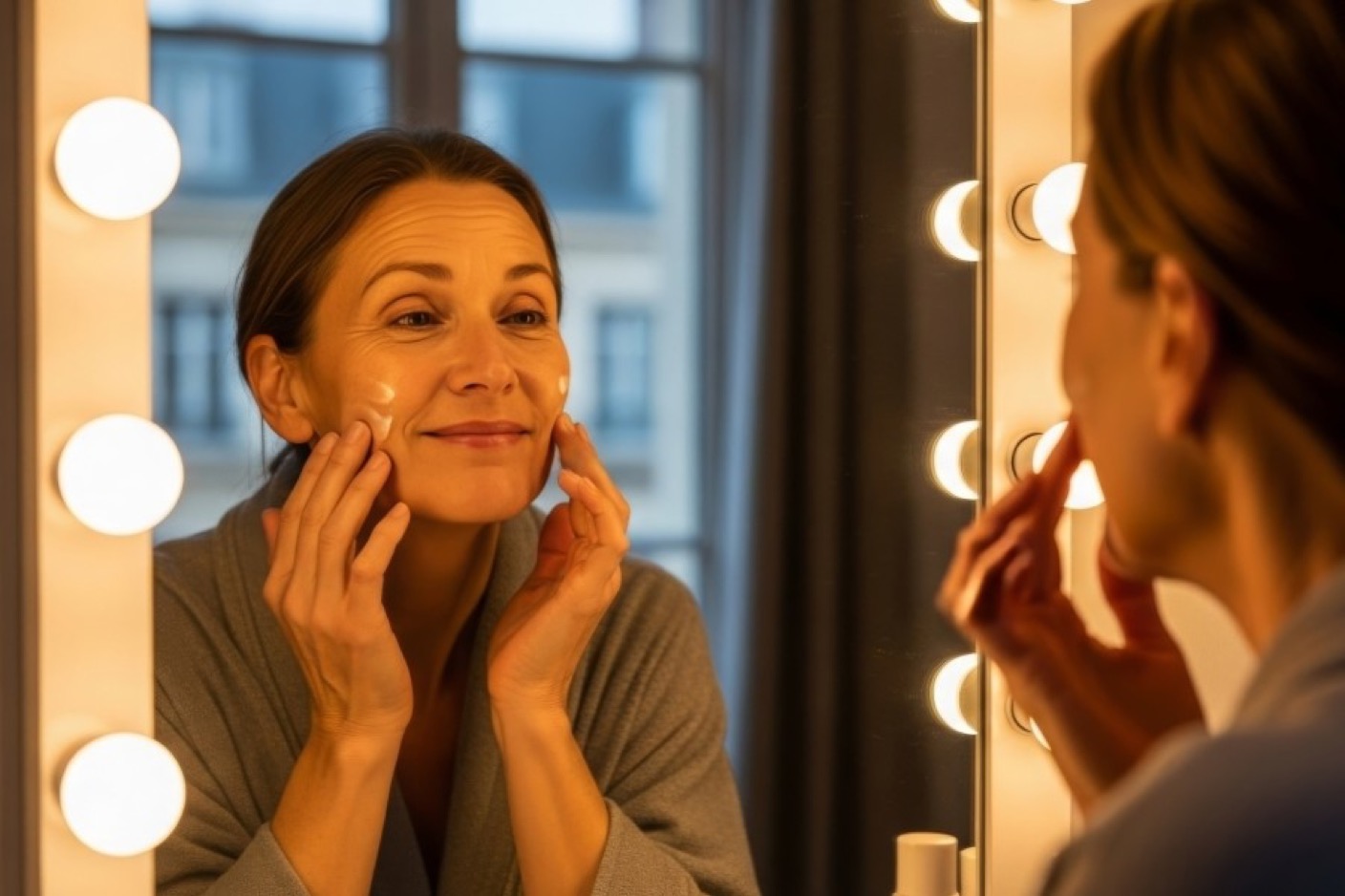
5 Weeks of Postbiotics Significantly Improved Skin Elasticity and Hydration
A joint clinical trial by Kaneka and AB-Biotics found that heat-treated L.sakei KABP-065 taken for 5 weeks significantly improved skin firmness and moisture retention in women, with more pronounced effects in participants over 40.
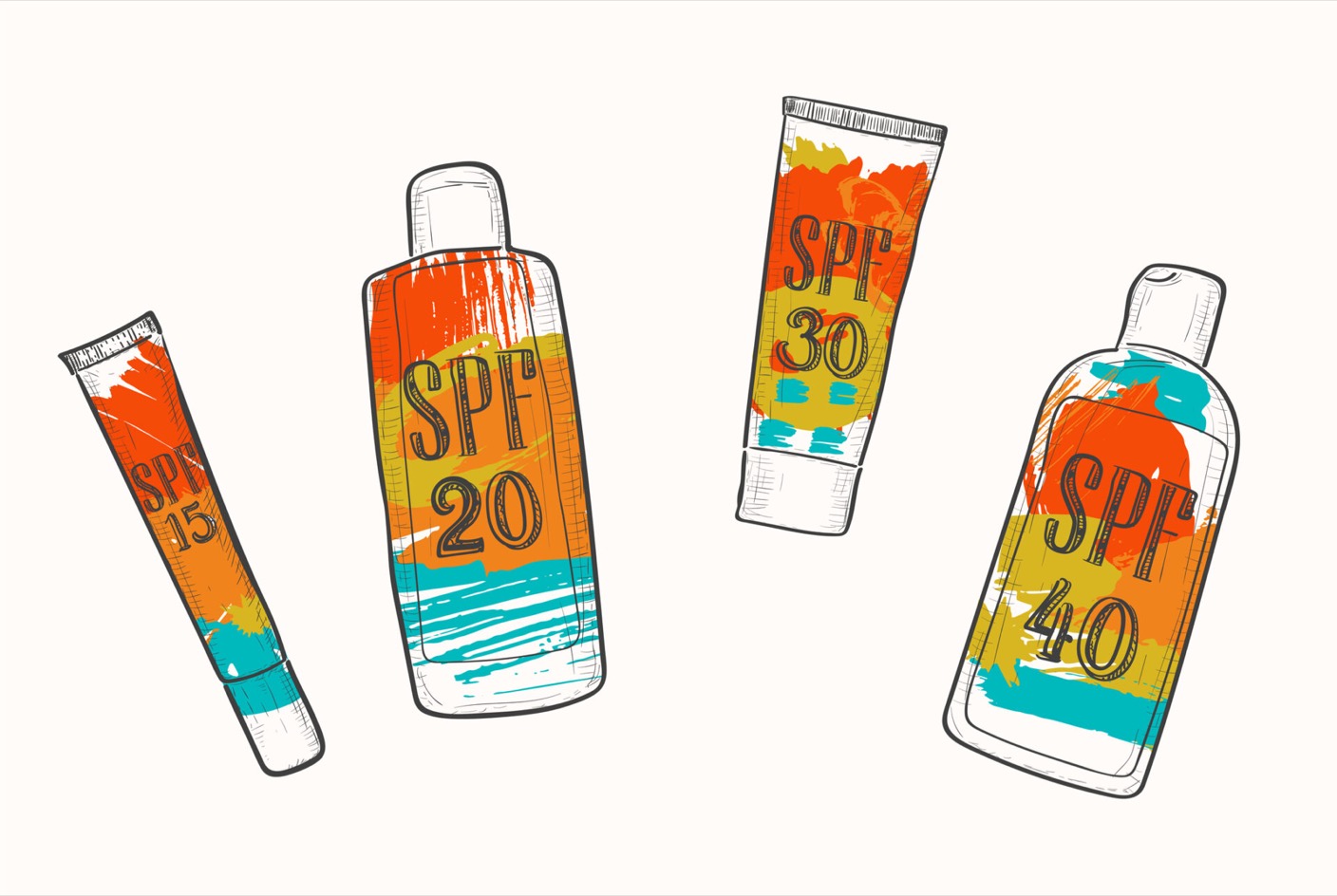
The Real Difference Between SPF 30 and SPF 50 Is Just 1%
SPF 30 blocks 97% of UVB. SPF 50 blocks 98%. Double the number, 1 percentage point difference. What SPF numbers actually mean and how to choose sunscreen effectively.
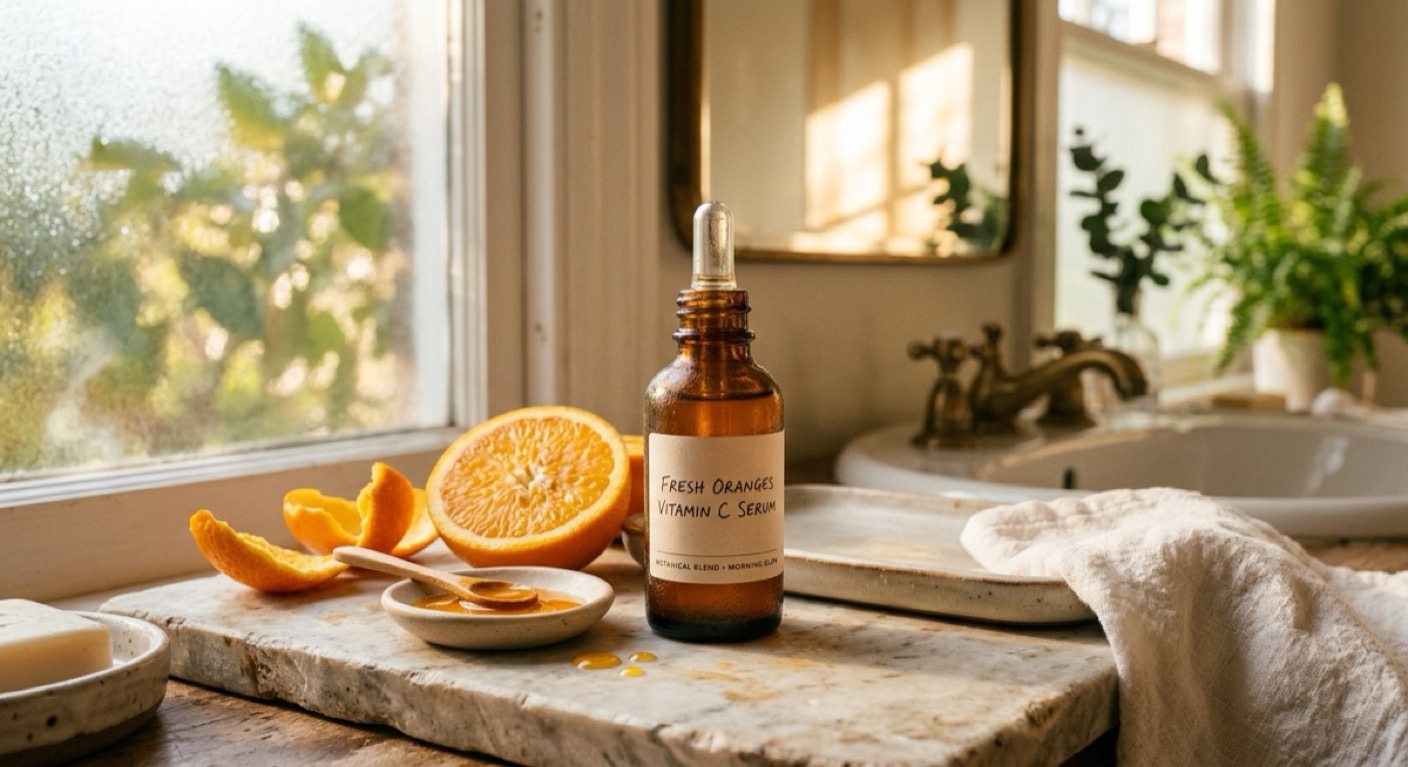
Vitamin C Serum, Why It Turns Brown in Weeks
L-ascorbic acid degrades within 6-12 months. Oxidized vitamin C generates free radicals. Effective only below pH 3.5, but lower pH means more irritation. The formulation dilemma explained.
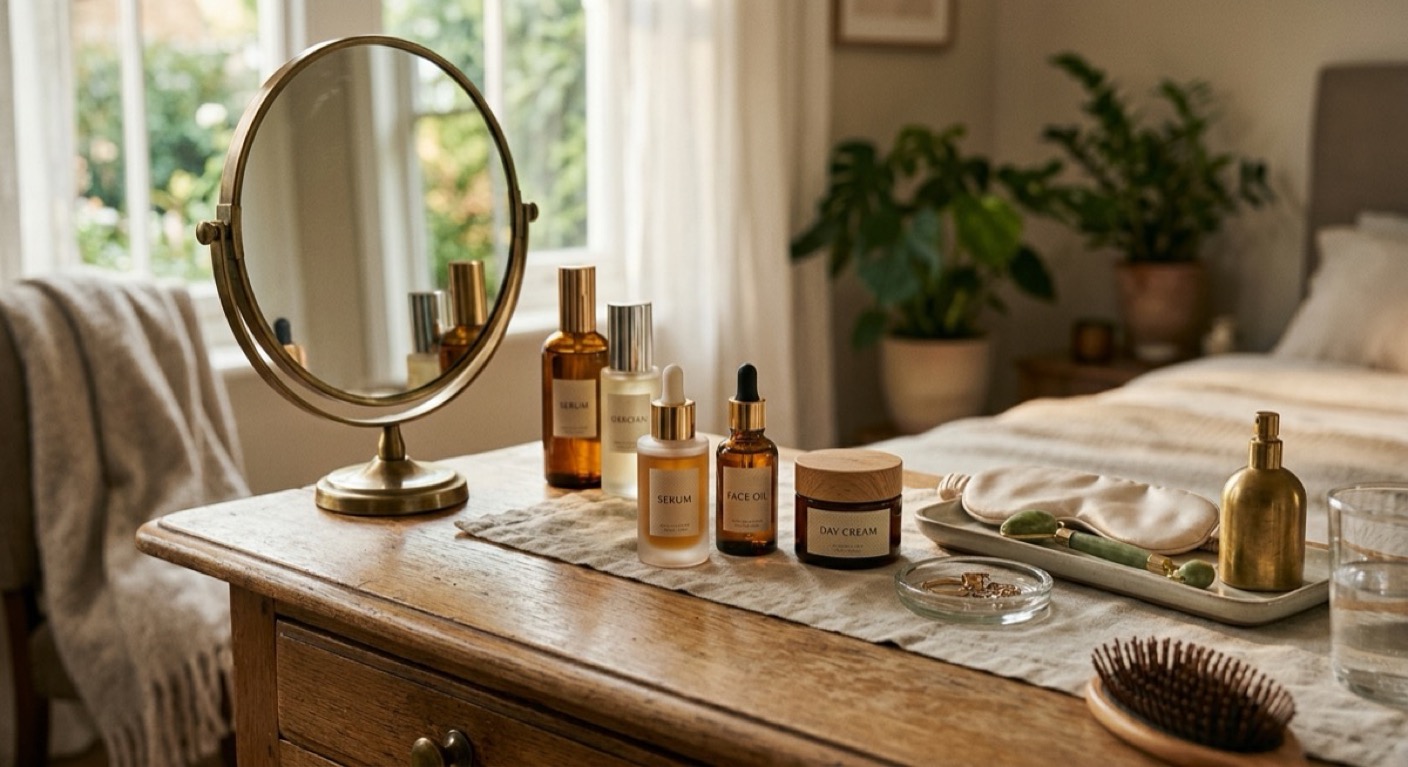
Peptide Skincare, 4 Types That Do Completely Different Things
Signal peptides build collagen. Neurotransmitter inhibitor peptides relax muscles. A breakdown of how Matrixyl, copper peptides, and Argireline actually work.
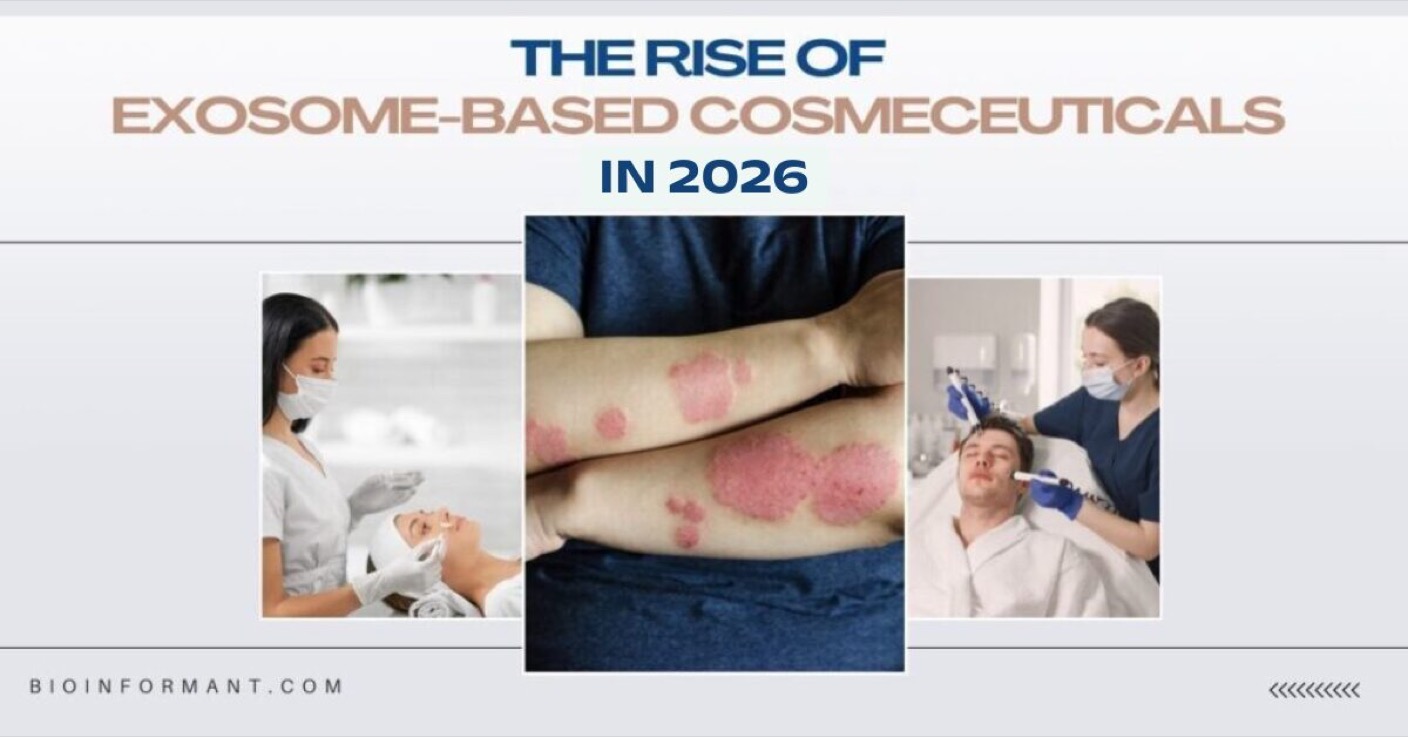
Exosome Skincare, the Reality Behind 2026's Hottest Ingredient
The exosome-based skincare market is estimated at $251 million. These nano-scale vesicles deliver growth factors and microRNA. But clinical evidence does not yet match retinol or peptides.

Hyaluronic Acid, Why Molecular Weight Changes What It Does to Your Skin
High molecular weight (1,000+ kDa) hydrates the surface and shields the barrier. Low molecular weight (under 50 kDa) penetrates into the dermis to reduce wrinkles. One ingredient, two strategies.

Red Light Therapy, How Strong Is the Evidence for Skin Collagen
A consensus review by 20+ experts confirmed safety and efficacy. ATP production in mitochondria is the core mechanism. But optimal intensity and duration for at-home devices remain unclear.

Why Poor Sleep Ages Your Skin, the Science Behind Beauty Sleep
Skin cell production doubles during sleep. Growth hormone release, collagen synthesis, and barrier repair all concentrate at night. The biological link between sleep and skin regeneration.

Oral Collagen Peptides, Do They Actually Reach Your Skin
After 12 weeks, hydration up 17.39%, dermal density up 19.20%, transepidermal water loss down 20.12%. Concrete numbers from an 83-participant double-blind trial.
Beauty From the Inside: Where the Science Actually Stands
Collagen peptides, oral ceramides, and gut-skin axis probiotics are the leading ingredients in ingestible beauty. The evidence varies considerably by ingredient, and knowing the difference matters when choosing a product.

Body Serums Grew 42%. Skincare Has Left the Face.
Premium body serum sales jumped 42% year-over-year and scalp care grew 19%, according to Circana data. Peptides, ceramides, and hyaluronic acid are moving from face products to the whole body. K-beauty philosophy is driving the expansion.

From Anti-Aging to Skin Longevity: The 2026 Skincare Paradigm Shift
Who What Wear's 2026 analysis captures a clear transition: consumers are abandoning trend-chasing for simplified, evidence-based routines. Skin longevity, maintaining healthy skin over decades rather than correcting damage, is replacing anti-aging as the dominant framework.
Why People in Their 20s Are Buying Anti-Aging Products
The global anti-aging skincare market is headed toward $78 billion by 2030, led by Gen Z and millennials investing in prevention before any visible signs appear. Retinol, peptides, and SPF 30+ are the foundation of the prejuvenation generation.