Alpha Lipoic Acid Nearly Erases Fine Lines Around the Eyes
Vitamin C and E dominate most antioxidant conversations in skincare. But dermatology researchers have long kept another compound on their radar: Alpha-Lipoic Acid (ALA). It earned the nickname “universal antioxidant” because it is both water-soluble and fat-soluble simultaneously — a rare property that turns out to matter quite a lot for how skin actually works.
What Happened After 12 Weeks of 5% ALA Cream
A clinical study published in the Aesthetic Surgery Journal tracked participants who applied a 5% alpha-lipoic acid cream daily for 12 weeks. Fine lines around the eyes and upper lip showed near-complete reduction. Medium-depth lip lines were reduced by approximately 50%. Pore size also decreased significantly — an outcome that is uncommon in single-ingredient clinical trials, where targeting both wrinkles and pores at once rarely happens with one formulation.
The study also noted low reports of irritation or redness throughout the trial period. Compared to high-concentration retinol or acid-based actives, ALA demonstrated notably higher skin tolerance, which broadens its practical usability.
Why ALA Is the Only Antioxidant That Works in Both Environments
Skin is structured around two distinct chemical environments. The outer layer is lipid-based (fat-soluble territory), while the inner cell layers are water-based. Vitamin C operates only in the watery cell environment. Vitamin E stays in the lipid layer. ALA is active in both, meaning it can reach from the skin surface down into the cellular level.
There is a second function that matters just as much. ALA regenerates oxidized vitamin C and E. When antioxidants neutralize free radicals, they oxidize themselves and become inactive. Without ALA, those spent vitamins are simply discarded. With ALA present, they get restored and return to active duty. This is why layering ALA with a vitamin C serum or vitamin E oil tends to produce better results than using any one of them alone.
Oral Supplements: A Different Kind of Benefit
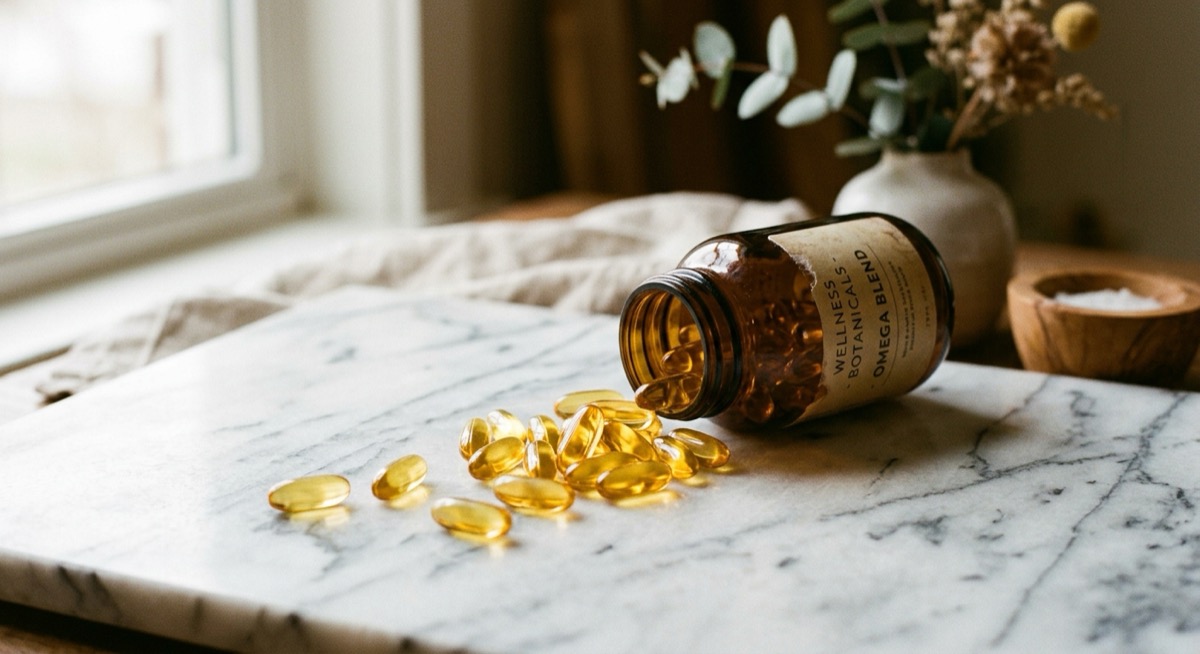
Beyond topical application, ALA is widely used as an oral supplement. When taken internally, it supports mitochondrial function (the cellular machinery that produces energy) and plays a role in glucose metabolism. From a skin perspective, oral ALA raises the body’s systemic antioxidant status, reducing oxidative stress caused by UV exposure and environmental pollutants.
The commonly studied oral dose ranges from 300~600mg per day. Those taking diabetes medications should consult a doctor first, as ALA can influence blood glucose levels. Supplement costs typically run around $15~30 USD per month.
Topical vs. Oral: Which One to Choose
Topical ALA is well-suited for targeting specific areas quickly — around the eyes, mouth, or enlarged pores. Oral ALA works more broadly on systemic antioxidant levels. The two approaches do not interfere with each other.
When evaluating a topical product, check the concentration. Clinical evidence is specifically attached to the 5% level. Many retail products use 0.5~1%, which has not been validated in the same way. Because ALA is unstable under light and heat, opaque packaging matters.
For visible results, 12 weeks is the realistic benchmark. Skin texture tends to even out in the first 4~6 weeks, while wrinkle and pore changes become visible after week 8 for most users.
Can I use ALA cream alongside retinol?
Yes. The most practical approach is to separate them by time of day — retinol at night, ALA in the morning. ALA is mild on its own, but if your skin barrier is already sensitized from retinol use, spacing them out reduces cumulative irritation.
Should oral ALA be taken on an empty stomach?
Some studies suggest absorption is higher when taken fasted. However, a subset of people experience mild nausea on an empty stomach. If you have a sensitive digestive system, taking ALA 30 minutes after a meal is a reasonable alternative. Consistency matters more than exact timing.
How long before I see results from topical ALA?
Set your expectation at 12 weeks, which matches the duration of the clinical research. In practice, skin texture improvements tend to appear first around weeks 4~6, with visible changes in wrinkle depth and pore size emerging from week 8 onward.