SCIENCE
Latest beauty & health science research editorial

NAD+ Boosters Have A Celebrity Tier. The Human Data Is Still Smaller Than The Hype.
NPR's May 11, 2026 analysis of the NAD+ longevity industry surfaces the gap between rodent studies, sparse human evidence, and a $30 to $1,000+ price ladder that puts marketing ahead of trial data.

Gut-Style Immune Sentinel Cells Found in Hair Follicles — UC Riverside, April 2026
A UC Riverside School of Medicine team reports in Frontiers in Cell and Developmental Biology (April 2026) the first identification of M (microfold) cell-like sentinel cells in hair follicles. The discovery reframes the follicle as a 'hub of skin immune surveillance' and could unlock new approaches in alopecia, scalp inflammation, acne and atopic dermatitis.

A 27,885-Person GWAS Predicts GLP-1 Response And Side Effects From Two Genes. Nature 2026
23andMe Research Institute publishes a GWAS of 27,885 GLP-1 users in Nature, April 2026. Variants in two genes predict both weight-loss response and the nausea-vomiting profile. Lead author Adam Auton frames it as 'proof of concept that genetics plays a role in GLP-1 efficacy and side effects.' Total Health will surface the variants to consumers. Clinical translation, however, is not yet here.

Endometriosis 99mTc Noninvasive Diagnosis — Lancet 2026. 7~10 Year Diagnosis Delay Policy Gap Resolved
Oxford Nuffield × Serac Healthcare 2026 Lancet. 99mTc-maraciclatide noninvasive molecular imaging diagnostic. Current diagnosis = laparoscopy invasive 7~10 year delay. Phase 2 positive data·monitoring possible. 7 Phase 2/3 US trials 2026.6~2029.7 completion. Endometriosis global diagnosis policy gap entry.

VYEPTI AAN 2026 INFUSE — Migraine Cognitive Symptoms Visualization. Women 3x Chronic Pain New Dimension
Lundbeck AAN 2026.4.20 presentation. VYEPTI (eptinezumab) anti-CGRP 30+ countries launch. INFUSE real-world 6-month data — beyond headache frequency, brain fog·concentration cognitive symptoms measured. Migraine = women 3x chronic pain. Global 30 countries data expands headache burden measurement dimension.
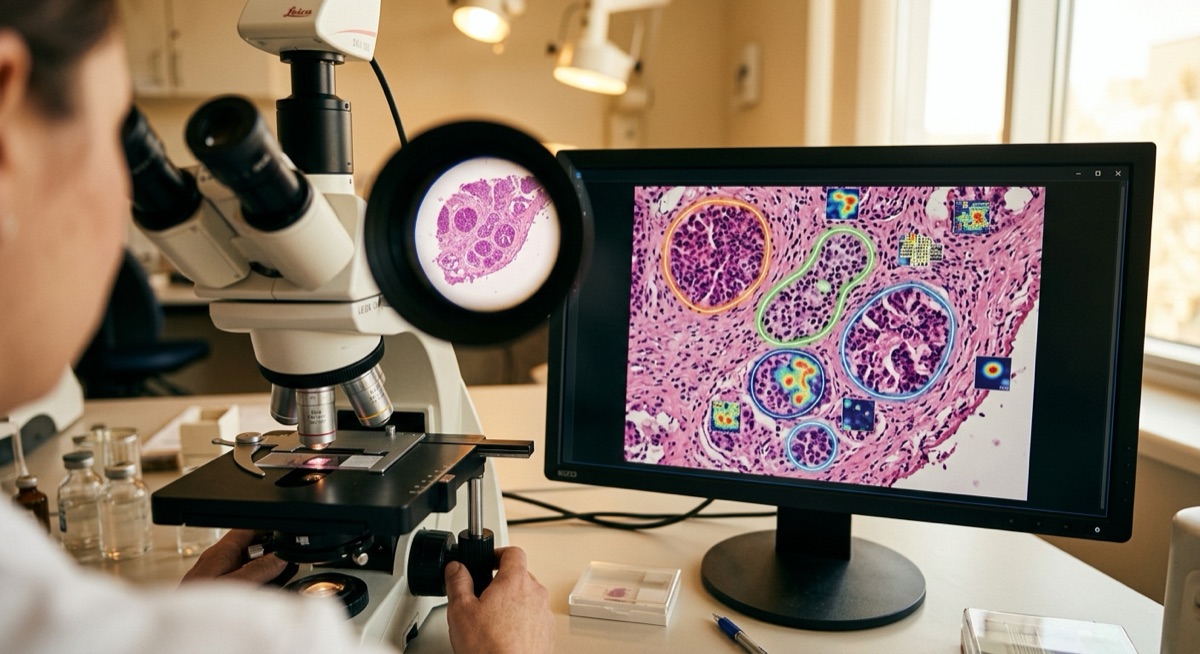
ArteraAI Breast FDA Clearance — First Digital Pathology AI Breast Cancer Risk Stratification. NCCN 2026 Official Inclusion
Artera 2026.5.6 FDA Clearance. ArteraAI Breast = first FDA-cleared digital pathology AI breast cancer risk stratification. HR+/HER2- early-stage. NCCN 2026 guidelines AI 5-year risk ≥1.7% threshold officially included. Tissue pathology slide AI enters clinical decision framework.

Intellia Lonvo-z CRISPR — 2nd Drug·First In Vivo Edit. Swelling Attacks -87%
Intellia Therapeutics 2026.4.27. Phase 3 80 patients. Lonvo-z (Lonvoguran ziclumeran) HAE in vivo CRISPR-Cas9. Swelling attacks -87% vs placebo. 60%+ complete blockade (placebo 11%). After Casgevy = 2nd CRISPR drug·first in vivo edit.

NEJM AI Automation Bias RCT — Physicians Pulled 14%p by ChatGPT Errors. AI Medical Establishment Shadow
NEJM AI 2026.4 RCT. AI-literacy-trained physicians n=44. Error LLM-exposed group diagnostic accuracy 73.3% vs control 84.9% (-14%p). JAMA 21 LLM comparison 80%+ inadequate differential diagnosis failure. AI medical establishment era automation bias clinical visualization new dimension.

Fenebrutinib BTK PPMS — First New Progressive MS Drug in 10 Years. Women 3:1 Blind Spot
Roche FENtrepid Phase III 2026.2.7·FENhance 1·2 additional data. First BTK inhibitor PPMS (primary progressive) disability progression delay proven. FENhance 1 annual relapse rate -51% vs teriflunomide. MS women:men 3:1. Progressive MS = treatment unable blind spot first release.
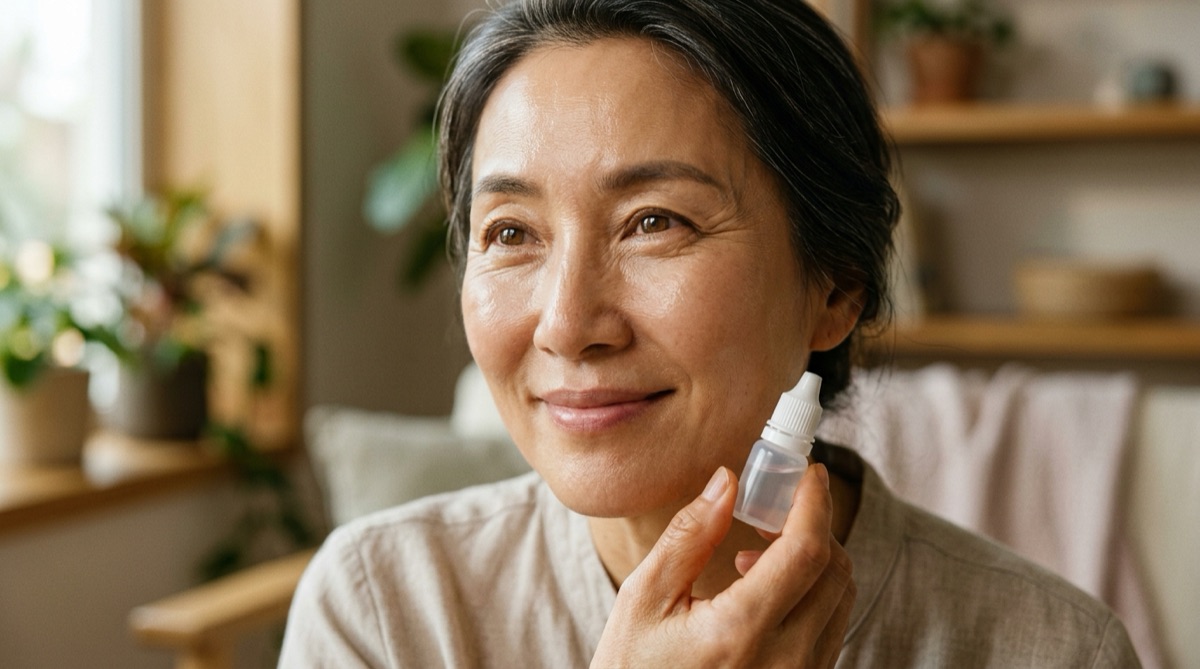
TRYPTYR FDA Approval — TRPM8 Agonist Eye Drops. Perimenopausal Women's Dry Eye Blind Spot New Target
Alcon TRYPTYR (acoltremon 0.003%) FDA approved. First-in-class TRPM8 receptor agonist dry eye drops. Perimenopausal women dry eye prevalence 2x men. First new target after artificial tears·immunosuppression (Restasis·Cequa·Xiidra). Aldeyra reproxalap PDUFA 2026.3.16. Women ophthalmology blind spot visualization.

Nemolizumab Prurigo Nodularis 24-Week Real-World Data: PP-NRS 8.1→1.8. Trial Efficacy Replicated in Real Patients
Journal of Dermatological Treatment 2026 published 24-week real-world. 38 prurigo nodularis patients on nemolizumab 60mg → PP-NRS dropped from average 8.1 to 1.8 at week 8, stable through week 24. Itch reduction starting at day 2. The first real-practice data for this female-dominant chronic itch disease. Clinical efficacy of IL-31 signal blockade established.

Elacestrant ELEVATE Phase 2: Everolimus/Abemaciclib Combo Improves PFS, Including in Non-ESR1-Mutated Patients
Stemline·Menarini's elacestrant (Orserdu) showed PFS improvement in ELEVATE phase 2 with everolimus or abemaciclib combinations in ER+/HER2- metastatic breast cancer. Effect also in patients without ESR1 mutation, beyond current FDA approval. The first oral SERD is settling into the standard treatment ladder. New option for postmenopausal women with metastatic breast cancer.

ACC/AHA 2026 Cholesterol Guideline Overhaul: Universal LDL <100, Very-High Risk <55, the Lower-for-Longer Era
Circulation 2026.3 published the ACC/AHA 11-society joint dyslipidemia guideline. Universal LDL <100 target, very-high risk <55. 'Lower for longer' principle. Statin → ezetimibe → PCSK9·inclisiran ladder. Stronger meaning for accelerated post-menopausal cardiovascular risk in women.
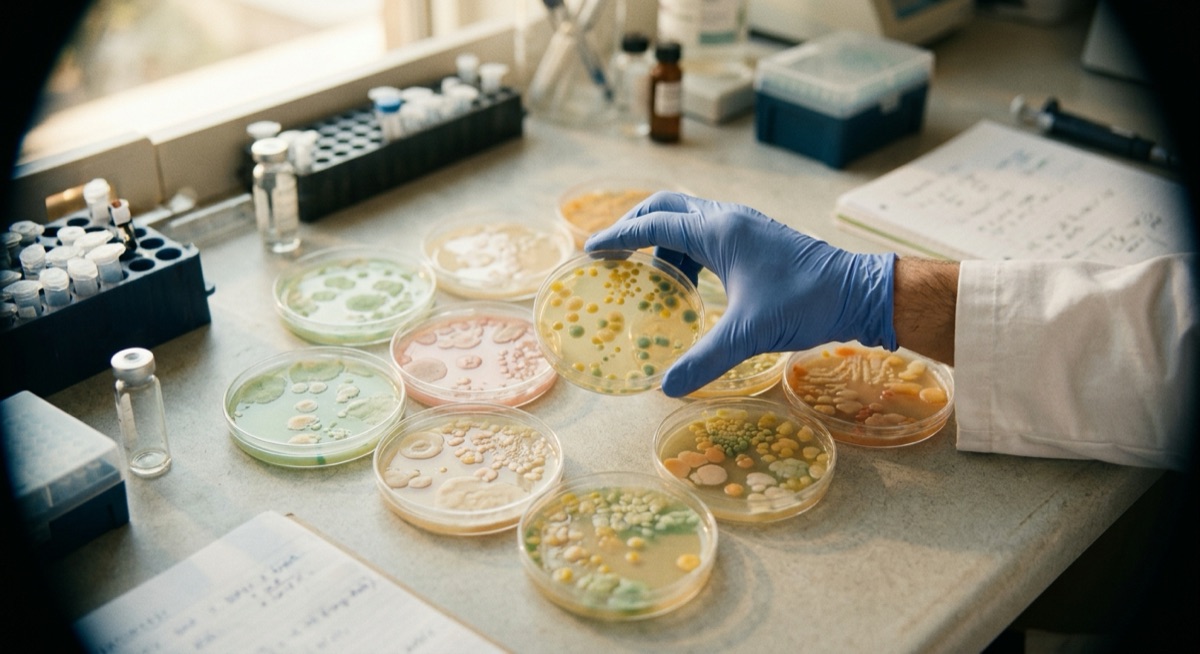
VIRGO2/VISTA — Vaginal Microbiome 25-Type Precision Classification. Gardnerella Can Be Non-Inflammatory
UMD School of Medicine mBio 2026.2. VIRGO2/VISTA open-source toolchain classifies vaginal microbiome into 25 types. Some Gardnerella-dominant types = non-inflammatory profile. BV prevalence ~25%. Women's site-specific precision microbiome new dimension.

Luvesilocin (RE104) FDA Breakthrough — Single-Dose Psychedelic for Postpartum Depression. MADRS 71.4% Remission, Ph3 2026
Reunion Neuroscience 2026.2.23 FDA Breakthrough Therapy Designation. RECONNECT Ph2 n=84. Single 30mg injection Day7 MADRS -23.0 vs 1.5mg -17.2 (p=0.0094). Remission rate 71.4% vs 41.0%. Postpartum depression 5-HT2A single-dose shortened psychedelic new dimension.

ASCO 2026 BWEL — Weight Loss Improves Breast Cancer Patient Quality of Life. Clinical Evidence for Weight Management During Treatment
ASCO 2026 Annual Meeting (May 29~June 2) Abstract 12010 to be presented. BWEL (Breast Cancer Weight Loss) Trial — weight loss impact on breast cancer patient quality of life·symptoms. Multicenter RCT. With L66 ASCO GLP-1 breast cancer primary prevention (Abstracts 10520·10506) forms 5-layer matrix of GLP-1 and breast cancer. Weight·tumor·quality of life integrated management.
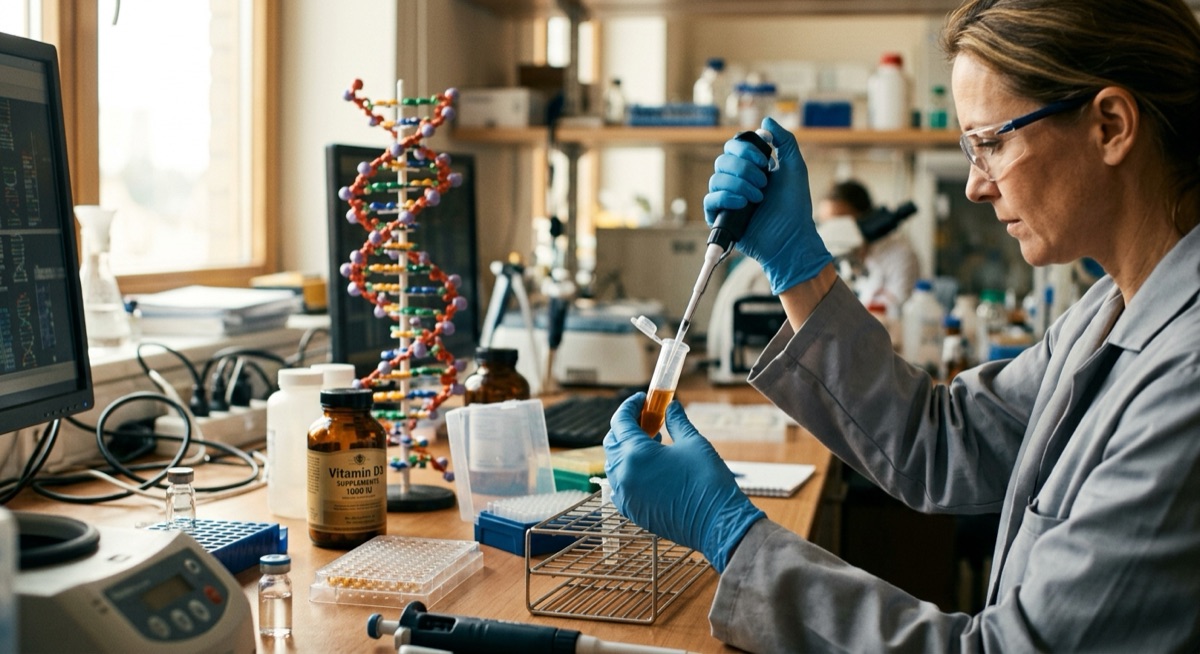
Tufts D2d — Vitamin D + VDR Genotype Blocks Diabetes Progression 19%. Supplement Precision Medicine Era
JAMA Network Open April 23, 2026. Tufts D2d clinical follow-up analysis. 2,098 prediabetic adults genomic analysis + vitamin D 4,000 IU/day vs placebo. VDR gene AC/CC variant carriers (~70%): 19% type 2 diabetes progression reduction. AA variant (~30%): no effect·high dose ↑ fall·fracture risk. Era of 'just take vitamin D' ends. First precision medicine (PGx) daily application for pre·post-menopausal insulin resistant women.
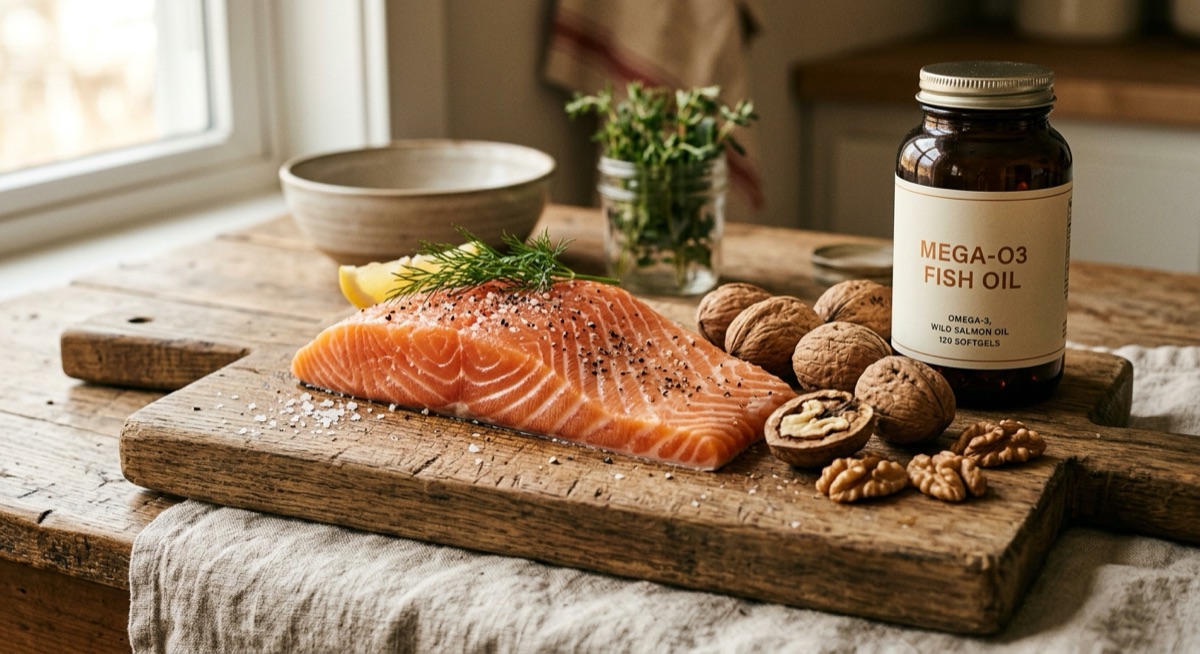
Omega-3 EPA Hinders Brain Injury Recovery — Cell Reports New Mechanism. DHA Unaffected
Cell Reports April 26, 2026. MUSC integrated mouse·human brain cell culture·CTE postmortem tissue analysis. In repeated mild brain injury, higher EPA concentration weakens vascular stability·disrupts healing signals·accumulates harmful proteins. DHA shows no equivalent effect. Not general recommendation but for repeated head impact experienced (athletes·falling elderly). Need for EPA·DHA separate labeling and individual selection.

MK-677 (Ibutamoren) for Women's Muscle and Aging: GH Secretion Promise vs Self-Prescription Risk. Not a SARM
MK-677 (ibutamoren) is not a SARM but a GH secretagogue (growth hormone secretion promoter). Activates ghrelin receptor to increase endogenous GH·IGF-1. Elderly trials show partial improvement in lean body mass + bone density. But insulin resistance, edema, heart failure risk, and research-chemical category. Attractive promise vs clear clinical risk for menopausal women's muscle loss.

Female Reproductive Organs 7-Way Asynchronous Aging — Nature Aging AI Analysis. Only Uterus Sees Sharp Menopause Transition
Nature Aging April 29, 2026. Barcelona Supercomputing Center analyzed 304 women's tissue data via AI (MareNostrum 5). Uterus·ovary·vagina·cervix·breast·fallopian tube each age at different speeds. Only uterus shows sharp transcriptomic·cellular transition at menopause. Validated in 21,441 plasma proteome cohort. Breaks single 'ovarian decline' menopause narrative, redefines as precision medicine target.

Stanford Alzheimer's in Women — APOE4 Variant Risk 81% (Men 27%). Estrogen Direct Binding Site Discovered
Stanford Medicine April 1, 2026 analysis. Why 2/3 of Alzheimer's patients are women. APOE4 genetic variant raises women's risk 81%, vs men's 27% — 3x difference. Estrogen direct binding site discovered near APOE gene DNA. Possibility menopausal estrogen drop affects APOE protein production. Beyond simple longevity effect, molecular mechanism.
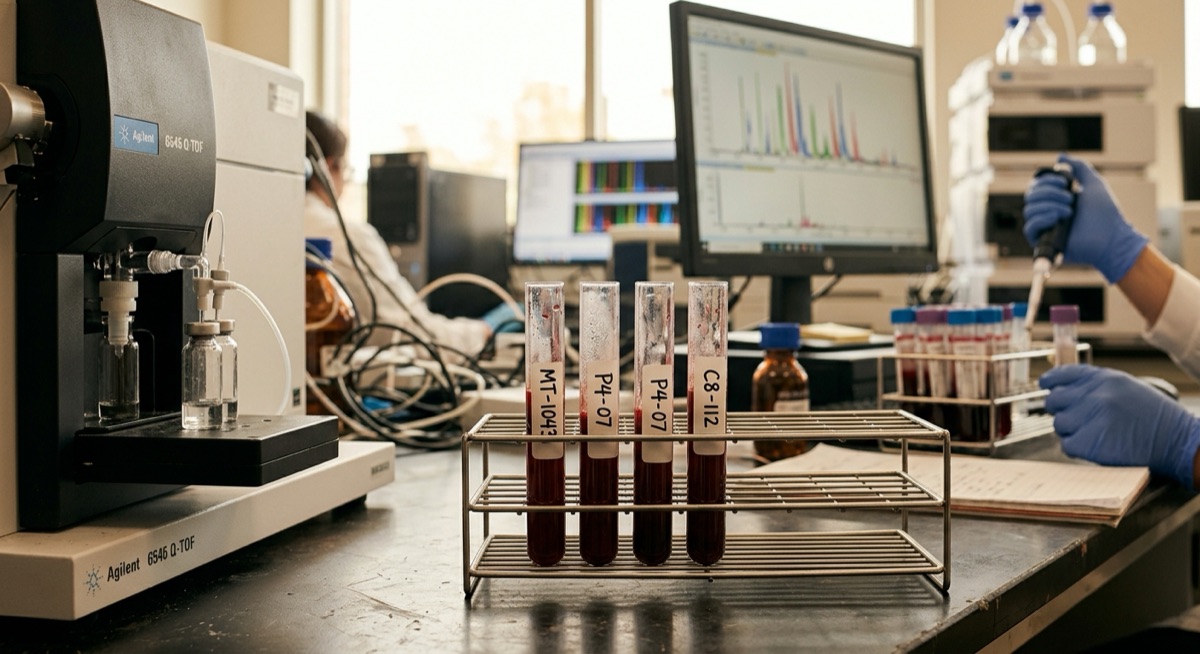
Imperial Gut Metabolome Predicts Cardiovascular Risk 3 Years Early — New Matrix of Phenylalanine·Tyrosine Breakdown Products
Imperial College London published in Nature Communications April 23, 2026. In 8,000+ adult cohort, metabolome score from phenylalanine·tyrosine breakdown products (gut microbiome-derived) predicts cardiovascular events at least 3 years in advance. New measurement axis showing signals already captured in the gut beyond blood pressure·LDL. New precision medicine tool possibility for pre·post-menopausal women.

Low-Dose Lithium Orotate in Midlife Women: Risks and Promises of the Mood-Cognition Circuit. LATTICE Misses 6 Endpoints
Medscape 2026 LATTICE trial. 80 MCI patients aged 60+ on low-dose lithium carbonate 195mg/day (1/5 psychiatric standard) for 2 years missed all 6 primary endpoints (cognition, brain volume, plasma biomarkers). Yet OTC lithium orotate market is $411M+, projected to double in 8 years. The molecular circuit gap of midlife women's self-prescription vs clinical data.

ASCO 2026 GLP-1 Breast Cancer Prevention — Obesity Drug Expanding to Tumor Prevention. May 29 Conference Data Imminent
ASCO (American Society of Clinical Oncology) Annual Meeting May 29~June 2. Abstracts 10520·10506 to release data on GLP-1 agonists' impact on high-risk women's breast cancer incidence. Expansion from obesity·weight management to tumor prevention area. Postmenopausal obese BMI 30+ women face 1.5~2x breast cancer risk per existing data. New matrix emerges.

Leqembi IQLIK Subcutaneous Self-Injection — FDA PDUFA August 24. Home Alzheimer's Drug Era Approaches
Eisai·Biogen announced May 8, 2026. Anti-amyloid antibody lecanemab's weekly subcutaneous self-injection starting dose indication is set for August 24 FDA decision. From IV infusion center monthly visits → home self-injection. 200 mg/mL formulation. The biggest burden reduction for Alzheimer's where 60% of patients are women and most caregivers are women.

Auvelity FDA Approval for Alzheimer's Agitation — Recurrence 28.6→8.4%, First Non-Antipsychotic Case
Axsome Therapeutics' Auvelity (dextromethorphan + bupropion) approved by FDA for Alzheimer's agitation indication on April 30, 2026. ACCORD-2 trial showed 8.4% vs 28.6% placebo recurrence (3.4x reduction). NMDA·sigma-1 dual mechanism, first non-antipsychotic category. 2/3 of Alzheimer's patients are female, and agitation is the #1 reason for nursing home placement.

Methylene Blue Microdosing Bypasses Mitochondrial Damage and Improves Recall 7% — fMRI Maps the Circuit
JCT 2026 RCT in 26 healthy adults. Single-dose methylene blue 280mg (~4mg/kg) increased insular fMRI activity during sustained attention and short-term memory tasks, with 7% memory recall improvement. Direct electron transfer from NADH to cytochrome c bypasses Complex I·III. LMTM (TRx0237) Alzheimer trials ongoing. Self-prescription vs clinical-supervised use is the core debate.
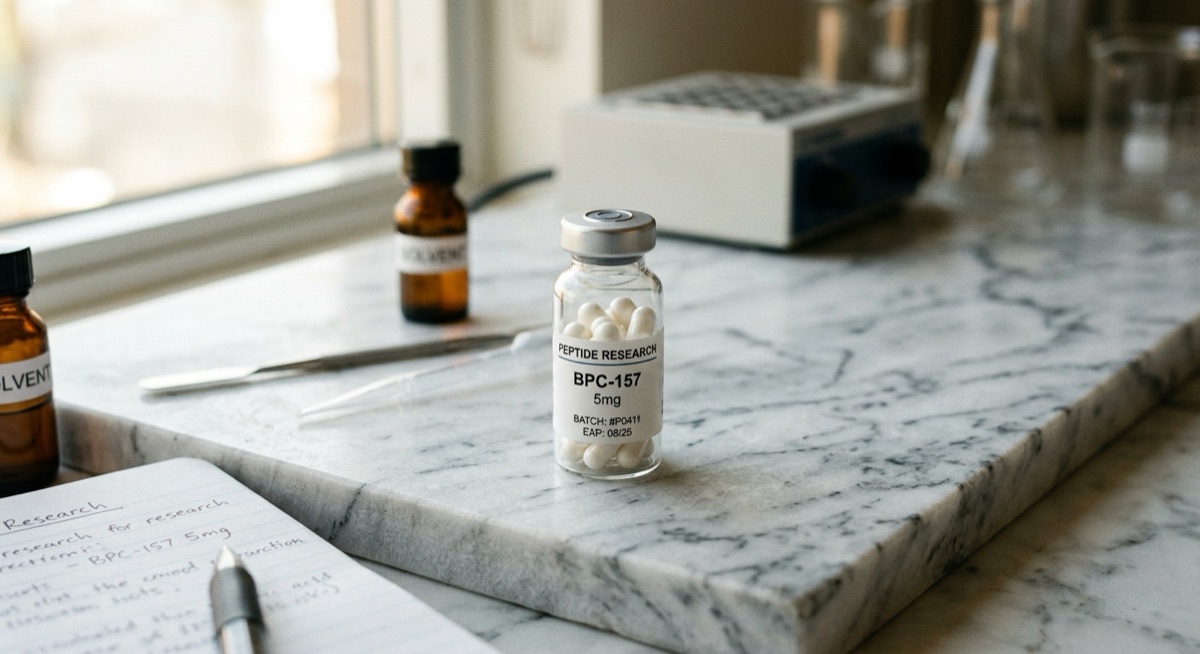
BPC-157 Peptide: Emerging Adjunct for Gut Healing and IBD — Strong Animal Data, Sparse Human RCTs
American College of Gastroenterology 2025 abstract. BPC-157 (15-amino acid gastric protective peptide) shows accelerated mucosal recovery in animal models of NSAID gastritis, alcohol mucosal damage, DSS ulcerative colitis, and Crohn's. Human trials are small safety-focused; large RCTs absent. Legal as research chemical in US, not prescription or OTC.

ENDO-205 First Non-Hormonal Targeted Peptide for Endometriosis — FDA IND Approval. New Option for 190 Million Reproductive-Age Women
EndoCyclic's ENDO-205 received FDA IND approval in April~May 2026, entering phase 1. The first non-hormonal·lesion-targeted peptide endometriosis treatment. Potential to avoid the menopause-like side effects·bone loss of existing hormone suppression (GnRH agonist) lines. Direct response to the 7~10 year average diagnostic delay gap.

Gazyva Lupus ALLEGORY — FDA Decision December 2026. First anti-CD20 SLE Targeted Drug in 30 Years, 90% of Patients Female
Roche/Genentech filed an FDA SLE indication for Gazyva (obinutuzumab) on April 21. ALLEGORY phase 3 showed 76.7% achieving ≥4-point improvement at week 52 vs 53.5% placebo. 90% of lupus patients are women of reproductive age. FDA decision December 2026.

Georgia State Alzheimer's Research — MMSE Misses Women's Brain Changes. 2/3 of US Patients Are Women
Brain Communications April 2026. 332-person longitudinal analysis showed women in MCI stage have widespread brain atrophy progressing while standard cognitive tests (MMSE) score normal. Past the threshold, decline is steeper than men. The message: women in their 30s~40s shouldn't take test scores at face value.

Icotrokinra Wins FDA as the First Oral IL-23 Inhibitor and Beats Deucravacitinib Head-to-Head
Johnson & Johnson's icotrokinra received FDA approval as the first oral IL-23 inhibitor in 2026. Head-to-head trial showed superiority over deucravacitinib (Sotyktu) on PASI 75 and PASI 90. PASI 75 ~70% at week 16, safety comparable to placebo. A new oral option for women avoiding injection burden in psoriasis care.

NMN vs NR Head-to-Head: Nature 2026 RCT Doubles NAD+ in 14 Days for Both. NAM Spikes Homocysteine 8-Fold
Nature January 2026 RCT. 65 healthy adults received NMN, NR, or NAM 1,000mg/day for 14 days. NMN and NR doubled circulating NAD+ with no statistical difference between them. NAM did not raise NAD+ and increased homocysteine 8-fold (median) — driving methylation burden. The pivot point for the NAD+ booster market.

High-Dose Vitamin D 4,000 IU Cuts Autoimmune Relapse and MRI Lesion Burden in Women: D-LayMS, VITAL, and the Emerging Consensus
Frontiers in Immunology 2025 review consolidates evidence: D-LayMS (n=316, 24 months) and Hupperts RCT show 4,000~5,000 IU/day vitamin D3 meaningfully reduces multiple sclerosis relapse and MRI lesion accumulation. Strongest response in patients with baseline 25(OH)D below 30 ng/mL. Female participants 46~94% across trials. Over 90% of Korean women fall below the deficiency cutoff.
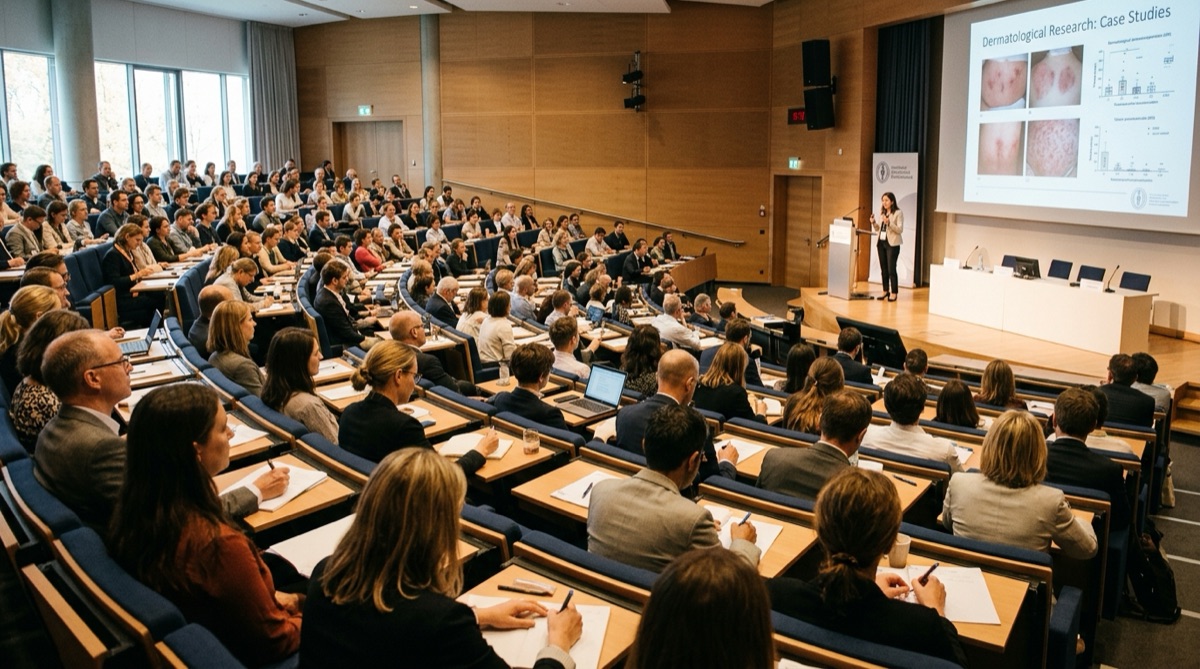
EADV Athens 2026: Dupilumab in Pregnancy, Tapering, and Nemolizumab Long-Term Data Reset Atopic Dermatitis Care for Women
EADV Spring Symposium Athens (May 8, 2026) atopic dermatitis session. Dupilumab safety in pregnancy, tapering strategies after remission, nemolizumab long-term efficacy, and JAK inhibitor network meta-analysis. The treatment playbook for women of reproductive age is being rewritten.

AGE Glycation Drives Skin Yellowing and Elasticity Loss — Four Cooking Methods That Reduce Dietary AGE
Advanced Glycation End-products (AGEs) bind irreversibly to collagen and elastin, driving skin yellowing, deep wrinkles, elasticity loss, and uneven tone. Dietary AGE rises 10-100x with grilling and frying. The 3-tier matrix: cooking methods + anti-glycation diet + topical antioxidants.

Adipose Stem Cell EV + Microneedling Split-Face RCT — Wrinkles, Elasticity, Hydration All Improve; Acne Scar 32.5% vs 19.5%
Adipose-derived stem cell extracellular vesicle (AdSC EV) post-microneedling split-face RCT (n=28) showed statistically significant wrinkle reduction, elasticity gain, hydration increase, and melanin decrease on treated side. CO2 fractional + AdSC EV achieved 32.5% acne scar improvement vs 19.5% control. FDA topical EV approvals: zero, but clinical data accumulating.

EUTOPLAC Topical Probiotic Restores Scalp Microbiome — Reduces Malassezia + Recovers Lactobacillus in Seborrheic Dermatitis
Scientific Reports 2024 trial: topical oily suspension containing Lactobacillus crispatus + Lacticaseibacillus paracasei (EUTOPLAC) improved seborrheic dermatitis symptoms, reduced Malassezia and Staphylococcus, and restored Lactobacillus colonization. Direct scalp microbiome modulation as an alternative to antifungals.
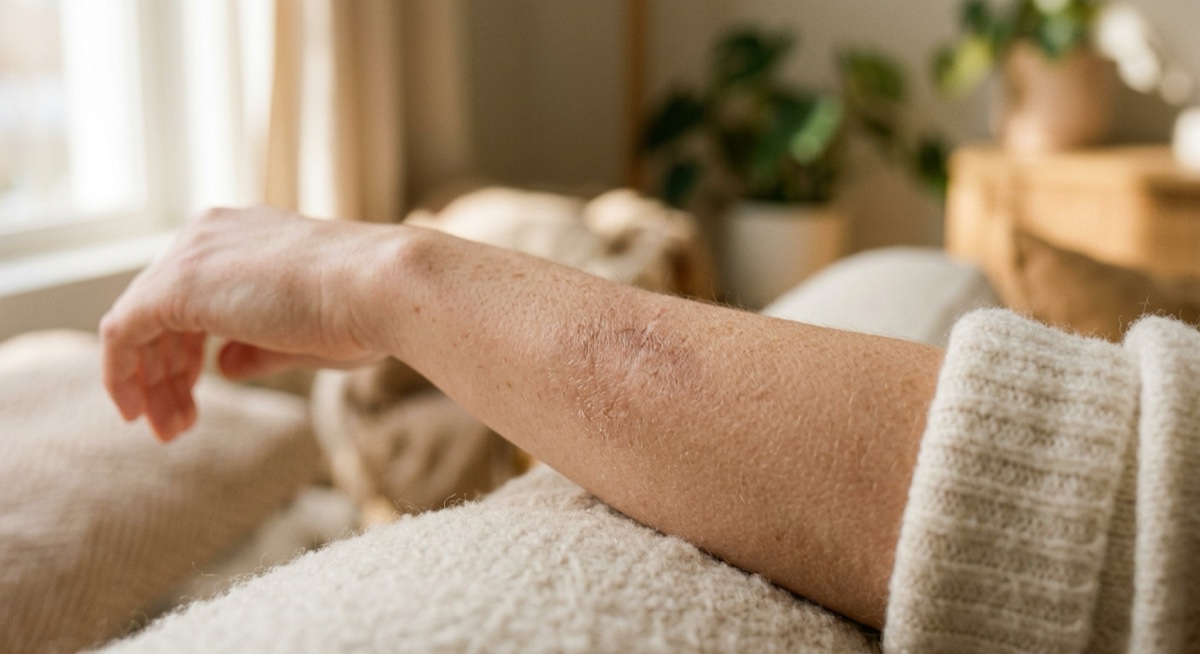
Zasocitinib (Next-Gen TYK2) LATITUDE Phase 3: Week 16 sPGA 0/1 ~70% — A Once-Daily Oral Could Reset Plaque Psoriasis Treatment
Takeda's zasocitinib (TAK-279), a selective TYK2 inhibitor, reached ~70% sPGA 0/1, 50%+ PASI 90, and ~30% PASI 100 at week 16 in Phase 3 LATITUDE-1 and LATITUDE-2 trials. Rapid response by week 4, 90%+ maintenance through week 60. FDA filing planned for fiscal 2026 after AAD 2026 late-breaking presentation.
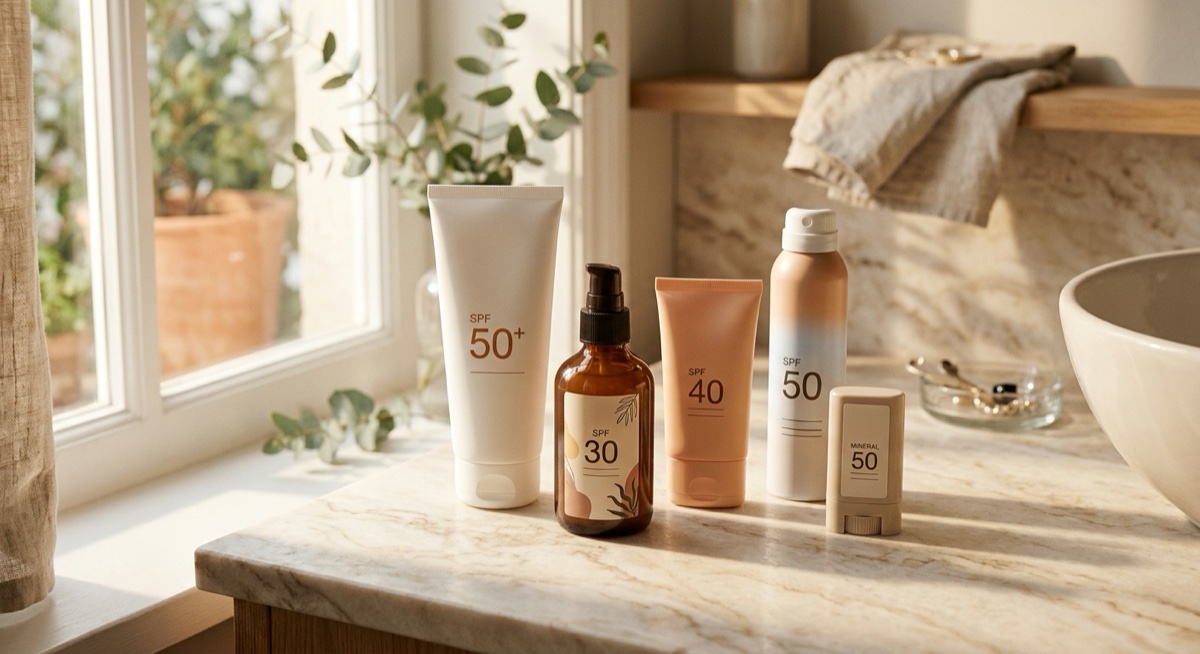
JAMA Dermatology: Same SPF50, 17x Cost Per Application, 36x Annual — UCSF Sunscreen Pricing Analysis 2026
UCSF researchers published in JAMA Dermatology February 2026 that sunscreens with identical SPF50 ratings and active ingredients vary from $0.04 to $3.79 per application (17-fold) and $39 to $1,429 annually (36-fold). Higher price does not equal stronger photoprotection.

MNRF Single Session, 84% Improvement at 30 Days — Pigment, Vascular, Hydration Move Together (Warsaw 2024)
Medical University of Warsaw tracked 38 women aged 35-50 after a single microneedle RF session. 84.2% showed simultaneous tone improvement, pathological erythema reduction, and hydration gain at 30 days. Forehead vasculature improved significantly. Daily home care amplified pigment outcomes (p=0.003).

Upadacitinib Phase 3 Vitiligo (Viti-Up): Week 48 T-VASI50 21.5%, F-VASI75 25.2% — First Oral Systemic Vitiligo Therapy Filed with FDA
AAD 2026 late-breaking data. JAK1 inhibitor upadacitinib 15 mg once daily for 48 weeks in nonsegmental vitiligo: T-VASI50 21.5%, F-VASI75 25.2% versus placebo 5.9%. FDA and EMA submissions filed. If approved, the first oral systemic vitiligo treatment.

Creatine 20g for 8 Weeks Shifts Brain Energy in Alzheimer's Patients, CABA Trial 2026
The CABA trial's 2026 bioenergetic data shows 20 g/day creatine monohydrate raised brain creatine 11%, improved working memory, and significantly increased lymphocyte ATP in Alzheimer's patients. Mitochondrial effects were stronger in women.

Senolytics Shift Cognition and Mobility in Alzheimer's-Risk Older Adults, STAMINA Pilot Finds
In a 12-week pilot trial, older adults at Alzheimer's risk who received intermittent dasatinib and quercetin showed a significant 2-point MoCA improvement in those with greatest cognitive decline, alongside reductions in inflammation marker TNF-α. The first senolytic data targeting cognitive health.

Synbiotic Supplement Cuts Blood Sugar, LDL, and Vascular Inflammation in Older Adults with Diabetes
A triple-blind RCT in 96 high-risk elderly diabetic patients found that four months of multi-species probiotic plus fructooligosaccharide supplementation simultaneously reduced fasting glucose by 22.83 mg/dL, LDL by 10.83 mg/dL, and VCAM-1 by 85.70 ng/L, with no serious adverse events.

Myo-Inositol 4g and PCOS Pregnancy: What the First Multicenter RCT Actually Found
The MYPP trial was designed to confirm a 65% reduction in gestational diabetes and preterm birth in PCOS pregnancies. Here is what the data from 464 women across 13 hospitals actually showed, and what myo-inositol still offers.

Six Months on Selenium: 21 RCTs Reveal How Far Thyroid Antibodies Drop
A meta-analysis pooling 21 randomized controlled trials and 1,610 patients maps selenium's effects on Hashimoto thyroiditis by time point and supplement form. TPOAb, TgAb, TSH — when each moves, by how much, and why Brazil nuts can't replicate it.

Microplastics in Preterm Placentas, Higher Than Blood Levels
A study analyzing 175 placentas found significantly higher microplastic and nanoplastic concentrations in preterm placentas than in term placentas, with levels exceeding those measured in human blood.

Methylene Blue Microdosing: Where Biohacker Hype Meets Clinical Reality
From 1870s textile dye to malaria treatment to biohacking supplement. How a single study of 26 people fueled a trend, why FDA classification remains ambiguous, and why this poses a real risk for roughly 13% of American adults.

BPC-157 Recovery Peptide, Only 3 Human Trials After 36-Study Review
A February 2026 systematic review in Pharmaceuticals examined 36 BPC-157 studies. 35 were animal experiments. Yet injection use in sports medicine clinics is accelerating.

Methyl Adaptogens: Why Turmeric, Green Tea, and Berries Reverse the Epigenetic Clock
An 8-week dietary intervention study found that men who consumed more turmeric, green tea, garlic, and berries showed a statistically significant reduction in their Horvath epigenetic clock. Here's what the polyphenol cluster effect means for biological aging.

High-Dose Vitamin D Didn't Shorten COVID, But May Have Trimmed Long COVID Risk
The VIVID trial (1,747 participants, March 2026) found that 3,200 IU daily vitamin D did not reduce acute COVID-19 severity or hospitalization, but consistent users reported long COVID symptoms at 8 weeks at 21% vs. 25% in the placebo group.
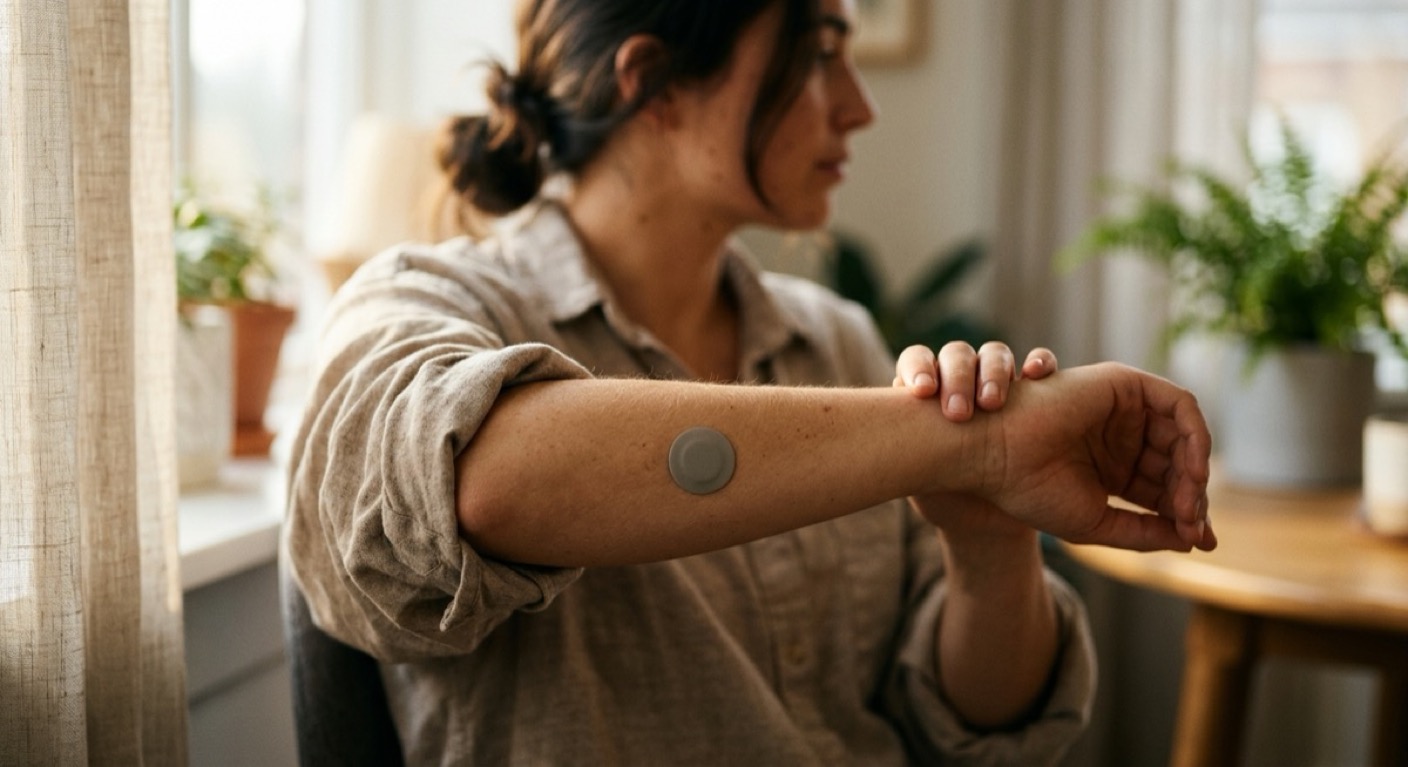
CGM in 3,634 Non-Diabetics Links Diet, Exercise, and Female Hormones to Glucose Variability
A Nature Communications 2026 analysis of the PREDICT cohort reveals how blood sugar fluctuates across healthy adults, and what that means for women navigating hormonal cycles.

A 10-Peptide Serum Improved Skin in 89.6% of Subjects Over 12 Weeks, Study Finds
A March 2026 open-label clinical trial published in the Journal of Cosmetic Dermatology found that a serum combining 10 peptides, including an EGF-mimicking compound, produced measurable improvements in facial skin quality, neck laxity, and pigmentation in the majority of participants.

PEARL Trial Year-One Data: Rapamycin Moved Lean Mass and Biological Age in Women
A 48-week double-blind RCT found that women taking 10mg rapamycin once weekly gained ~5% lean tissue mass and reported significantly less pain. What the data actually says — and what it doesn't.

How Chronic Stress Marks Skin DNA in Women 35-55, Clinical Findings From 40 Subjects
Cortisol at 1μM raised DNA damage marker OTM to 2.27, wound healing speed dropped by up to 73%, antioxidant capacity fell 12%. What 40 clinical subjects revealed about stress and skin biology.

Skin Microbiome Cosmetics Heads to USD 830 Million by 2030. Does the Data Follow?
The skin microbiome cosmetics market was valued at approximately USD 435 million in 2024 and is projected to grow at roughly 12% annually to USD 830 million by 2030. Over the same period, reviews keep flagging a gap between lab findings, commercial claims, and validated clinical use.

A Gut Probiotic Slowed Estrogen Decline in Menopausal Women, 113-Person 12-Week Trial
KABP Menopause, a probiotic blend developed by Kaneka and AB-Biotics (Levilactobacillus brevis KABP-052 and two partner strains), kept serum estradiol and estrone significantly higher than placebo in 113 Japanese women aged 45 to 55 over 12 weeks. Published in the Journal of Medicinal Food.

Saffron Extract at 28 mg for 12 Weeks, Mood Improvement in 72% of 202 Adults
A 202-participant trial of affron saffron extract 28 mg daily for 12 weeks saw clinically meaningful mood improvement in 72.3% of the saffron arm versus 54.3% on placebo. It is the largest saffron-mood study to date, and it sits at the intersection of the skin-brain axis and beauty-from-within trends.

Menopause Before 45 Raises Metabolic Syndrome Risk 27%, UPenn Finds in 234,000 Women
A University of Pennsylvania analysis of more than 234,000 women aged 30 to 60 found women who reached menopause before 45 carried 27% higher metabolic syndrome risk. The pattern held after controlling for weight, race, and medication use, adding weight to early menopause as a standalone metabolic risk signal.

HRT Plus Tirzepatide Pushed Postmenopausal Weight Loss to 20%, Mayo Clinic Data Show
At the 2025 Menopause Society Meeting, Mayo Clinic Jacksonville reported that postmenopausal women using hormone therapy alongside tirzepatide lost 20% of body weight at 18 months, versus about 16% without HRT. The combined response matched that of younger women.

FDA Rewrites the Hormone Therapy Boxed Warning in February 2026
On February 12, 2026, the FDA approved label changes removing cardiovascular, breast cancer, and dementia risk language from the boxed warning of six menopausal hormone therapy products. After more than twenty years, the strongest tier of warning tied to the 2002 WHI findings is being recalibrated.
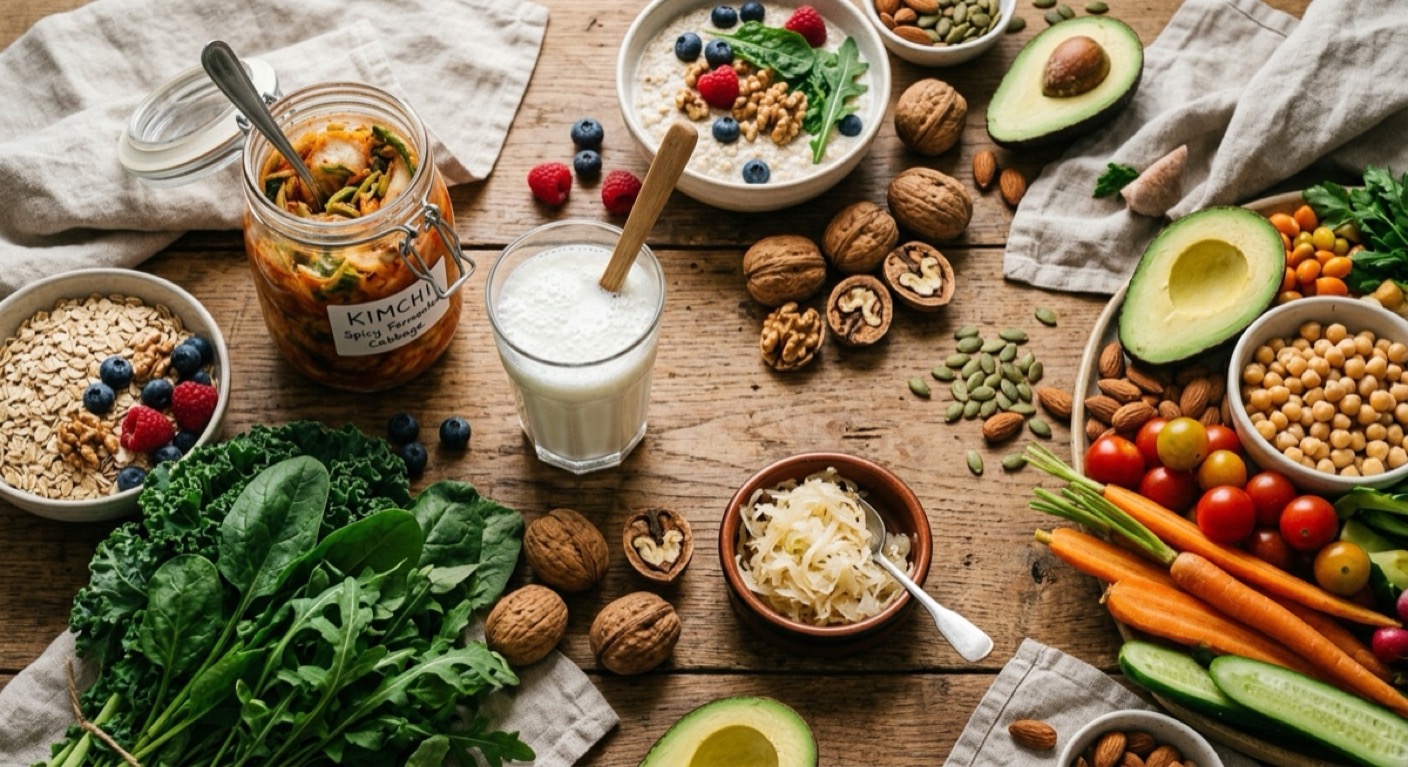
The Gut Skin Axis Is Setting the Pace of Aging, New GeroScience Review 2026
A 2026 review in GeroScience pulls together the evidence that short chain fatty acids, postbiotics, synbiotics, and psychobiotics produced through the gut microbiome directly shape skin barrier function and aging biology. The gut skin axis is now handled as a modifiable pathway, not a loose correlation.

Molecular Hydrogen Applied to Skin Shows Pore and Pigmentation Changes in 4 Weeks
A pilot study in MDPI Antioxidants found that topical hydrogen-rich water reduced pore visibility, improved pigmentation, and lowered a biological skin age score in 15 participants over four weeks.

Trans-Resveratrol Oral Plus Topical Outperforms Either Alone in 8-Week Wrinkle Trial
The first RCT testing trans-resveratrol as a sole active ingredient enrolled 132 women over 40. The combination group showed the greatest wrinkle improvement, pointing to a dual-pathway strategy that addresses the bioavailability problem.

Tru Niagen Enters Beauty Market with NAD+ Complex Featuring Hyaluronic Acid and Astaxanthin
ChromaDex's Tru Niagen, known for its patented nicotinamide riboside (NR) supplement, has launched a beauty-focused formula combining 100mg Niagen with 120mg hyaluronic acid, grape seed extract, biotin, vitamin E, and astaxanthin to support skin from the cellular level up.

Four Weeks of Dawn-to-Dusk Fasting Upregulates Autophagy Genes in Overweight Adults
A study published in ScienceDirect found that four consecutive weeks of dawn-to-dusk intermittent fasting triggered the overexpression of autophagy-related genes in overweight and obese participants. The findings explain metabolic and anti-aging effects through the lens of cellular self-cleaning, with connections to skin cell renewal.

Taurine and Longevity: The Science Paper NIH Challenged in 2025
A 2023 Science paper linking taurine deficiency to aging caused a supplement surge. Then NIH pushed back. Here's what both studies actually show and what it means for consumers.

Astragalus Supplement Lengthened Telomeres in Double-Blind RCT
A double-blind, placebo-controlled trial in 40 healthy adults found that an astragalus-based supplement significantly lengthened median and short telomeres over six months, with no adverse effects reported.

Blue Light Treats Skin Conditions and Ages It, Depending on How It's Used
Blue light operates as a controlled medical treatment for acne and psoriasis at therapeutic doses, while chronic uncontrolled exposure drives oxidative stress, hyperpigmentation, and accelerated aging.

PQQ: The Nutrient That Builds New Mitochondria to Slow Aging
A 2026 Frontiers in Aging study confirms PQQ attenuates muscle atrophy in aged mice by improving mitochondrial function through the PGC-1α pathway. Its NGF activation effects on memory and cognition are drawing additional research interest.

Red Light LED Therapy: Clinical Evidence for 36% Wrinkle Reduction and Collagen Boost
A controlled trial finds red light LED treatment reduced wrinkle depth by 36% and improved skin elasticity by 19%. Over 90% of participants showed improvement, and Stanford Medicine rates the evidence for wrinkle reduction as fairly robust.

Glycine Reduces Sleep Disruptions and Lowers Biological Age by 1.4 Years
An RCT shows glycine reduces nighttime awakenings from 29.3 to 21.3 per night and improves next-day cognition. A 2026 npj Aging observational trial reports biological age decreased by 1.4 years after six months of collagen amino acid supplementation.

Collagen Amino Acid Composition Reduces Biological Age, npj Aging Study
A 2026 npj Aging study finds that supplementing with a 3:1:1 glycine:proline:hydroxyproline collagen amino acid ratio improved skin markers at three months and reduced biological age by 1.4 years at six months. Animal studies also show increased health and lifespan.

Vitamin D Deficiency Linked to Higher Alopecia Areata Risk, Meta-Analysis Finds
A large-scale meta-analysis reveals significantly lower vitamin D levels in alopecia areata patients, with the strongest association seen in those within the first year of disease onset.

Intensilk, Apple Flower Extract Designed to Mimic Caloric Restriction in Skin Cells
Spanish biotech Provital debuted Intensilk at in-cosmetics Global 2026, an apple flower-derived active that reprograms lipid metabolism in skin adipocytes to mimic caloric restriction pathways and promote autophagy.
Skin Microbiome Bacteria Make Ceramides. Prebiotics Are the Key.
New research details how beneficial skin bacteria trigger ceramide production via sphingomyelinase secretion and SCFA signaling, opening a new angle on barrier repair through topical and oral prebiotics.

NIH Says Taurine Is Not a Reliable Aging Biomarker After All
The 2023 Science paper from Columbia showing taurine deficiency accelerates aging drove widespread taurine supplementation. A 2026 NIH study finds human taurine levels do not consistently decline with age, challenging the foundational assumption.

Resveratrol Reduces Wrinkles in 132 Women Over 40, First Single-Active RCT
A double-blind RCT published in Frontiers in Aging found that oral 150mg plus topical 1.5% resveratrol significantly reduced wrinkles in eight weeks. Gut microbiota metabolites are emerging as the missing link for bioavailability.

Licorice Extract GutGard Shows GLP-1 Support in Preclinical Study
Natural Remedies completed a preclinical study showing GutGard, a standardized Glycyrrhiza glabra extract, may support GLP-1 activity. A human clinical trial is planned for January 2026 to confirm the findings.

Lactoferrin Brewed in a Tank, Not Milked from a Cow
Australian biotech All G has released preclinical data on precision-fermented lactoferrin LFX, showing a 25% drop in inflammatory cytokines and 30–40% stimulation of collagen production. The ingredient represents a new chapter in biotech beauty.

Probiotic BB00 Reduces Dry Eye Symptoms After Laser Eye Surgery
Bifidobacterium bifidum BB00 at 1 billion CFU twice daily for 30 days post-laser refractive surgery exceeded placebo outcomes for dry eye symptoms, adding clinical evidence to the emerging gut-eye axis concept.

Screened from 1,800 Natural Compounds, DHM Reactivates Skin Genes Silenced by Aging
Dihydromyricetin (DHM) inhibits a key DNA methylation enzyme, reactivating 34 genes linked to youthful skin. An 8-week clinical trial showed a biological skin age reduction of approximately 2 years and up to 78% reduction in wrinkle volume.

Exosome Skincare Is Growing Fast. FDA Has Approved Zero Products.
As of 2026, no exosome-based product has received FDA approval. More than six warning letters have been issued to manufacturers. Here is where the science stands and what consumers should understand.

Vitamin D at 2,000 IU Daily Cuts Autoimmune Disease Risk by 22 Percent
The VITAL study, tracking 25,871 participants over 5 years, found that vitamin D supplementation at 2,000 IU (50μg) per day reduced confirmed autoimmune disease incidence by 22% compared to placebo.

Oral Hyaluronic Acid Improves Skin Hydration and Barrier in 150-Person Trial
A 2025 Scientific Reports RCT found that oral sodium hyaluronate at 60mg or 120mg daily for 12 weeks reduced crow's feet wrinkles, increased skin hydration, and improved barrier function measured by TEWL.
Dasatinib and Quercetin Clear Senescent Cells from Skin, Reducing Aging Markers
The senolytic combination of dasatinib and quercetin reduced p16INK4A and p21CIP1-expressing senescent cells in skin and lowered SASP inflammatory factors including IL-1α, IL-6, MMP-9, and MMP-12 in blood.

Topical Rapamycin Cuts Cellular Senescence Markers and Rebuilds Collagen in Skin
A placebo-controlled trial at Drexel University found that a topical sirolimus cream statistically reduced p16INK4A expression and increased Collagen VII production over 8 months, placing mTOR inhibition at the frontier of skin longevity science.

Collagen Peptide That Stimulates GLP-1: Nextida GC Clinical Data
Rousselot's patented collagen peptide Nextida GC activates intestinal L- and K-cells to trigger natural GLP-1 secretion, reducing post-meal glucose spikes by up to 43%.

Oral vs. Topical Peptides for Skin Aging: What 19 Clinical Trials Actually Show
A 2026 Frontiers in Medicine meta-analysis pooled 19 randomized controlled trials and 1,341 participants. Oral peptides consistently outperformed topical formulations on wrinkle reduction, hydration, and brightness.
Sequential Raises $3.5M to Map How Skincare Ingredients Change Your Skin's Microbiome
Sequential has closed a $3.5M equity round to scale its AI-powered discovery platform, which uses 50,000+ in vivo skin microbiome samples to quantify how ingredients alter microbial and host biomarkers. Total funding now stands at $7.5M.
Skinspan Science, A New Framework for How Long Skin Stays Healthy
Frontiers in Aging has published the first scientific criteria for 'longevity cosmeceutical actives,' introducing the concept of skinspan and requiring biopsy-confirmed clinical validation for ingredients like fisetin and spermidine.

Skin Barrier Recovery Speed Varies by Individual, Microbiome Study Finds
A longitudinal study of 36 subjects reveals that skin microbiome recovery after barrier disruption is highly individual-specific, with 6 distinct microbial stability groups linked to varying recovery patterns.
87% of Your Skincare Contains Microplastics, and the EU Is Finally Stepping In
The EU is phasing out microplastics in cosmetics starting 2027. Research shows these synthetic polymers penetrate beyond the skin barrier into the dermis, triggering oxidative stress and endocrine disruption.
FDA Clears First Human Trial for Age-Reversal Gene Therapy
Life Biosciences, cofounded by Harvard's David Sinclair, received FDA IND clearance for ER-100, a gene therapy that partially rewinds cellular age using three Yamanaka factors. The first patients could enroll within months.

NR and NMN Both Double Circulating NAD+ Levels in Clinical Trial
A 2026 randomized controlled trial with 65 healthy adults finds that both NR and NMN double circulating NAD+ levels, while regular nicotinamide (NAM) does not. A separate Long COVID trial shows NR boosts NAD+ up to 3.1-fold.

AI-Engineered Peptides Mark the Next Chapter of Skin Longevity
In 2026, AI-designed peptides are redefining skincare innovation. Senotherapeutic peptide Pep 14 shows retinol-comparable tissue regeneration, while multi-functional peptide architectures paired with exosomes emerge as the new standard.
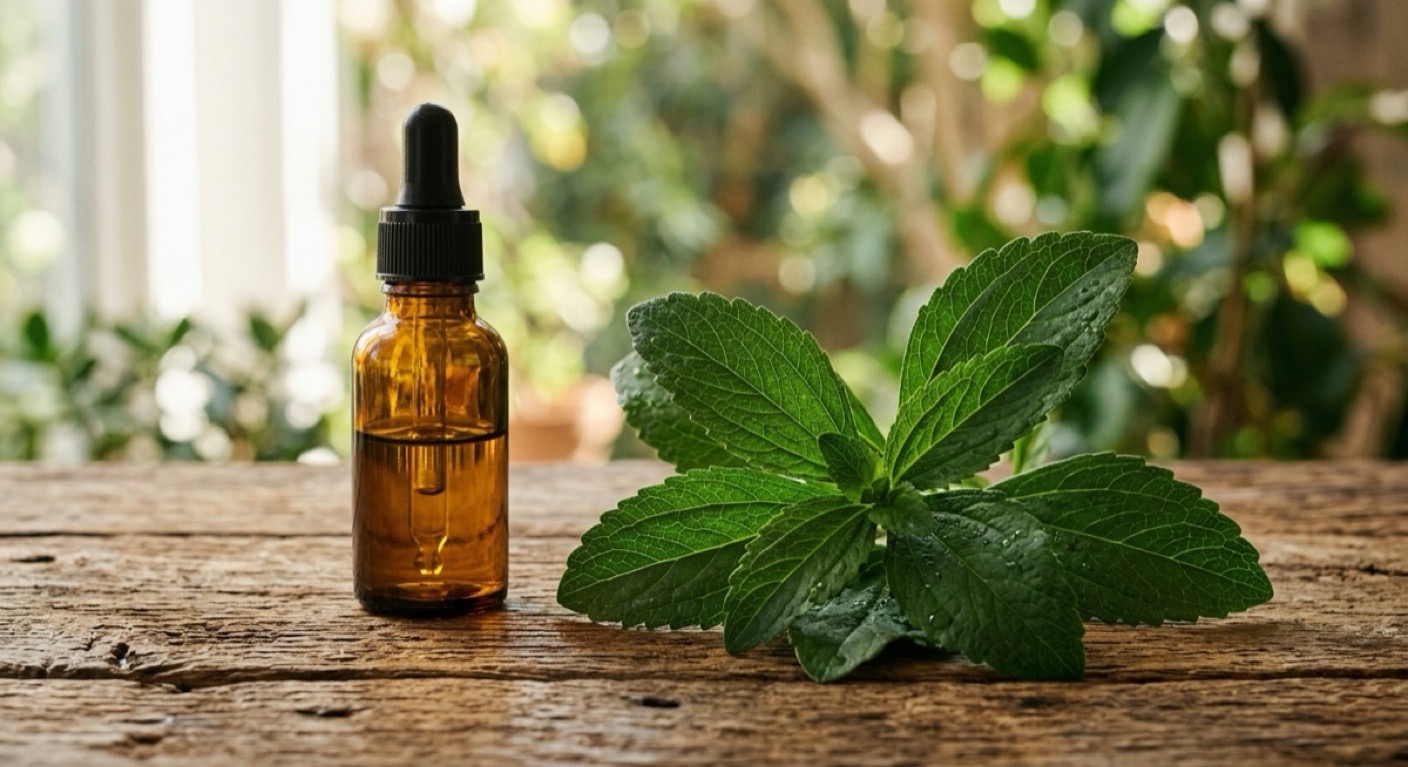
Stevia Extract Helps Minoxidil Penetrate Deeper, Regrowing Hair in Mice
A dissolvable patch combining stevioside and minoxidil improved the drug's skin penetration and solubility, successfully stimulating hair follicles to re-enter the growth phase in an androgenetic alopecia mouse model.

What's Changing on Your Product Label: Canada's 24 Fragrance Allergen Disclosure Starts April 12
Starting April 12, 2026, Canada requires fragrance allergens to be named on cosmetic labels. Here's what it means for your skin and your shopping habits.
Kimchi-Derived Postbiotic Shows 1,140% Wrinkle Improvement in Clinical Trial
CJ BIO's BiomeNrich POST SZ075, a plant-based postbiotic fermented from rice germ with kimchi bacteria, demonstrated 1,140% improvement in eye wrinkle parameters, 614% in skin elasticity, and 1,872% in TEWL versus placebo in a 111-person, 12-week trial.

FDA Analyzed 430,000 Cosmetics and Found 51 PFAS Intentionally Added
A new FDA report on 430,134 cosmetics identified 51 types of PFAS intentionally added as ingredients. Eye makeup and leave-on skincare showed the highest rates. Safety data was insufficient for most.
Can NAD+ Slow Alzheimer's and Parkinson's?
A major review in Nature Aging, co-authored by 25+ scientists from Harvard, Oslo, and the Buck Institute, maps how NAD+ decline drives brain aging and neurodegenerative disease — and what it means for longevity supplements.

NMN Doubles NAD+ Levels in 14 Days, Skin Aging Research Enters Next Phase
A clinical study of 65 adults taking 1,000mg NMN daily found NAD+ levels nearly doubled in two weeks. New data on skin-specific NAD+ decline and emerging K-beauty formulations are reshaping the anti-aging conversation.

Skincare Supplements Hit $3.55B in 2026, Clinical Proof Splits the Market in Two
The global skincare supplement market crossed $3.55 billion in 2026, with collagen holding 33.3% share. Third-party bioavailability certification is now the dividing line between brands that grow and brands that stall.

Quercetin Senolytics Work Differently in Women, Mayo Clinic Finds
A phase 2 RCT of 60 healthy postmenopausal women at Mayo Clinic found sex-dependent differences in how senolytic drugs, including quercetin, act on aging cells, with implications for supplement use.

Clascoterone Passes Phase 3: The First New Hair Loss Mechanism in 30 Years
Cosmo Pharmaceuticals' Breezula (clascoterone 5%) showed up to 539% relative improvement in hair count vs. placebo across 1,465 men in a double-blind Phase 3 trial. It's the first topical anti-androgen to block DHT signaling directly at the follicle.

Gut Bacteria Akkermansia May Rebuild Skin Collagen
Postbiotics derived from Akkermansia muciniphila YGMCC2602 promoted cell proliferation, upregulated collagen and hyaluronan synthase, and attenuated UVB-induced inflammation in a 2026 study.

PP405 Wakes Dormant Hair Follicle Stem Cells to Treat Hair Loss
Pelage Pharmaceuticals' PP405 modulates lactate metabolism in hair follicle stem cells to reactivate dormant follicles. Phase 2a results show a 12.3% increase in hair counts with 83% of subjects responding positively.
PDRN vs PN, What the 2026 Review Actually Found
A 2026 PMC review in the Journal of Clinical Medicine breaks down the molecular, mechanical, and clinical differences between PDRN and polynucleotide, the two pillars of the $67B regenerative beauty sector.

Spermidine Inhibits 9 of 12 Hallmarks of Aging Through Cellular Self-Cleaning
Spermidine, a natural polyamine, triggers autophagy to slow aging. A Nature Aging review confirms its geroprotective effects across cognition, heart health, hair growth, and collagen production.

AAD 2026, Signal Your Collagen to Rebuild Itself
The clearest message from AAD 2026 was a philosophy shift: signal collagen to rebuild, don't replace it. The regenerative beauty sector is projected to exceed $67B by year-end, with Asia-Pacific leading adoption.
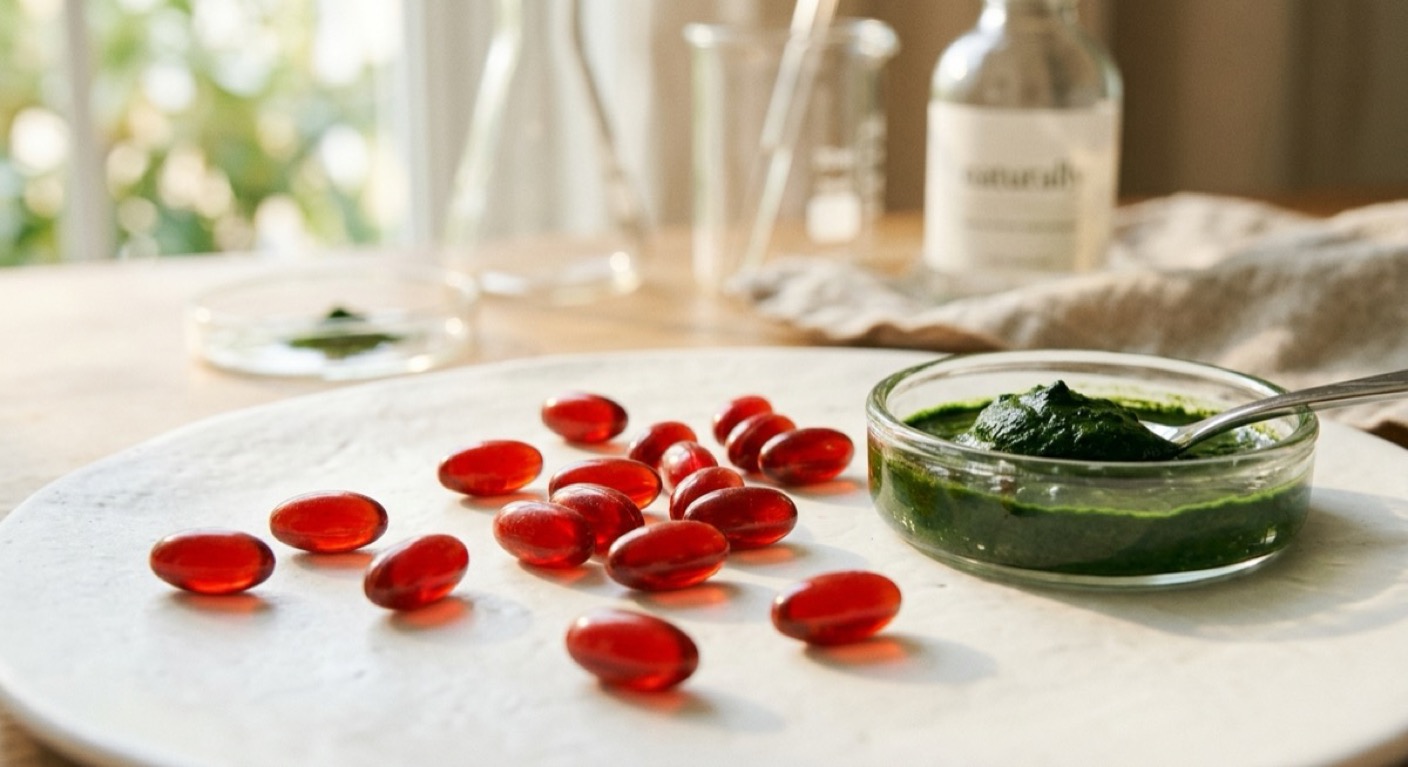
Exosome Skincare Emerges as the Core of Regenerative Beauty in 2026
Exosomes, 30-150nm cellular messengers carrying proteins and microRNA, are reshaping skincare. Stem cell-derived exosomes promote collagen and elastin production, with microneedling combination amplifying results.

Ozempic Face, How Weight-Loss Drugs Accelerate Skin Aging
GLP-1 receptor agonists cause skin changes beyond weight loss. New research reveals direct effects on skin stem cells and collagen, a paradoxical anti-inflammatory benefit, and dermatological solutions.

Oral Hyaluronic Acid Shows 8.7% Hydration Gain in 150-Person RCT
A randomized double-blind placebo-controlled trial found that 60mg and 120mg daily doses of oral sodium hyaluronate improved facial hydration and skin elasticity after 12 weeks.

Exosomes Are Rewriting Anti-Aging Skincare With Clinical Data
Nanoscale cell-to-cell messengers called exosomes are proving their place in anti-aging skincare. A 56-person, 6-week trial showed significant improvement in facial photodamage markers, with additional data on elasticity, hydration, and pore volume.

Exosome Skincare Has Real Data. Here's What It Actually Shows
ADSC, platelet, milk, and plant-derived exosomes all have clinical numbers now. Elasticity up 104%, wrinkles down 9.37%. But no FDA approval, no standardized protocols, and small trial sizes mean the story isn't finished yet.

LEQSELVI Shows Meaningful Hair Regrowth in Alopecia Areata by Week 8
At AAD 2026, Sun Pharma's JAK inhibitor LEQSELVI (deuruxolitinib) demonstrated significant scalp hair regrowth in alopecia areata patients within 8 to 12 weeks in phase 3 trials.
NMN Supplement Doubled Blood NAD+ Levels in 14 Days at 1,000mg Daily
A January 2026 trial found that healthy adults who took 1,000mg of NMN daily for 14 days doubled their circulating NAD+ concentrations. Seven or more human trials confirm its safety, but direct evidence for skin aging improvement remains limited.

NMN Supplementation Raised Hair Density 57% in Women in Their 40s
A 12-week clinical trial using 500mg daily NMN in women aged 40-50 found anagen hair density rose from 55.9 to 87.7 hairs/cm², a 57% increase. Metabolite data points to mitochondrial energy metabolism as the key pathway.
Spermidine Inhibits 9 of 12 Root Causes of Aging, Review Finds
A Nature Aging review identifies autophagy as spermidine's core mechanism, with evidence for benefits in cognition, heart health, hair growth, and collagen production. Natural levels decline with age.

Collagen Peptides Show Sustained Skin Benefits 4 Weeks After Stopping
A double-blind RCT of 83 women found that 5,000mg/day of bioactive collagen peptides for 12 weeks maintained improvements in skin hydration, firmness, and dermal density through a 4-week washout period.

An Oral Skin Supplement Reduced Crow's Feet in 12 Weeks
A randomized double-blind trial found that daily HyaCera™, combining wheat ceramide and low-molecular hyaluronic acid, significantly improved crow's feet wrinkles and skin elasticity by week 8.

One Daily Multivitamin Slowed Biological Aging by About 4 Months Over 2 Years
The COSMOS trial, published in Nature Medicine, found that 958 adults averaging age 70 who took a daily multivitamin for 2 years showed approximately 4 months less biological aging on epigenetic clocks compared to placebo.

12 Anti-Aging Molecules Discovered in Blood Bacteria, Inhibiting Collagen-Degrading Enzyme
A Korean research team isolated 12 indole-based metabolites from the blood bacterium Paracoccus sanguinis. Three compounds suppressed ROS and inhibited MMP-1, a collagen-degrading enzyme, in human skin cells.

Beyond Collagen, OLAY's AAD 2026 Research Puts Cell Adhesion at the Center of Skin Aging
OLAY presented proprietary research at AAD 2026 identifying cell adhesion as a critical biological driver of visible skin aging, on par with collagen loss.

Your Skin's Internal Clock Controls Collagen Production, 2026 Study Confirms
A 2026 study in the Journal of Cosmetic Dermatology confirms that BMAL1 and CLOCK genes regulate fibroblast collagen synthesis on a circadian rhythm, with peak output occurring between 10PM and 2AM.

Niacinamide Cuts Skin Cancer Recurrence Risk by 14% in Large-Scale Study
An analysis of 33,833 patients found that taking 1,000mg of niacinamide (vitamin B3) daily reduced nonmelanoma skin cancer risk by 14%. Starting immediately after a first diagnosis amplified the reduction to 54%.

Neurocosmetics Takes Aim at the Hidden Dimension of Skin Aging
The beauty industry's newest frontier targets sensory neuron decline in skin. Givaudan developed the first reinnervated aging skin model, and its ingredient boosted ceramide content up to 15-fold.

Spermidine's Dual Nature: Anti-Aging in Healthy Cells, Tumor Fuel in Cancer
Tokyo University of Science researchers found that polyamines activate eIF5A1 for autophagy in normal cells but switch to eIF5A2 in cancer cells, boosting glycolysis and tumor growth. Published in the Journal of Biological Chemistry.

Vegan Recombinant Collagen Matches Marine Collagen in 60-Day Wrinkle Trial
A 60-day clinical trial found that Pepwell vegan recombinant collagen at 0.245g achieved comparable nasolabial fold reduction to marine fish collagen at 5g, a 20-fold dose difference with equivalent outcomes.

Collagen Peptides Activate Lysosomes and Mitochondria to Reverse Skin Aging
A new review reveals collagen peptides fight skin aging through a sequential mechanism: clearing ROS, activating lysosomes, restoring mitochondria, and rebuilding the extracellular matrix. Clinical trial data shows 39% hydration and 25% elasticity improvement in 6 weeks.

Oral Collagen Peptides Work for Skin, 19-Trial Meta-Analysis Confirms
A 2026 systematic review and meta-analysis of 19 RCTs (1,341 participants) published in Frontiers in Medicine found oral collagen peptides significantly improved skin hydration and wrinkle depth, outperforming topical application for wrinkle outcomes.

Collagen Peptide Molecular Weight Determines How Well Your Body Absorbs It
A 16-week double-blind trial of 77 women showed that 5,000mg of low-molecular-weight collagen peptides (average 2,353Da) increased dermal density by 19.2% and reduced transepidermal water loss by 17%. Effects persisted even 4 weeks after stopping supplementation.

Urolithin A Reverses Immune Cell Aging in Just Four Weeks
A Nature Aging study from Goethe University and the Buck Institute found that 1,000mg/day of Urolithin A for four weeks expanded naive CD8+ T cells, increased NK cells, reduced inflammatory cytokines, and shifted immune cell metabolism toward fat oxidation in adults aged 45 to 70.

How Blue Light May Reprogram Your Skin's Aging Genes
A new review in Cosmetics maps the epigenetic pathways through which 400~490nm HEV light from screens may accelerate collagen loss, pigmentation, and barrier breakdown — while being honest about what the evidence can and cannot yet say.

Collagen Peptide Benefits Persist Four Weeks After Stopping Supplementation
A 77-participant trial found that 5,000mg daily collagen peptides for 12 weeks increased skin moisture by 9.15% and dermal density by 19.20%. Benefits were maintained through a 4-week washout period.

AI-Powered Scalp Microbiome Analysis Can Now Predict Hair Loss Before It Starts
Researchers developed MiSCH (Microbial Index of Scalp Health), a machine learning-based diagnostic tool using multi-kingdom sequencing to identify individuals at high risk of androgenetic alopecia before visible hair loss begins, published in mSystems by ASM.

Olay Puts Cell Adhesion at the Center of Skin Aging at AAD 2026
Olay's research presented at AAD 2026 found that declining cell-to-cell adhesion, not just collagen loss, drives wrinkles, sagging, and rough texture. The study points to new targets beyond collagen.

What 28 Days of NR Did to Skin: A Randomized Trial in Asian Women
A 28-day RCT in 35 Asian women aged 30-45 found that a nicotinamide riboside formula significantly improved skin moisture, brightness, firmness and wrinkles. Over 88% of participants also reported better energy and mood.

Inactive Bacteria, Active Skin Results: Heat-Treated Probiotics in Clinical Testing
A 2026 clinical study found that topical application of heat-killed Lactiplantibacillus plantarum and Bifidobacterium animalis improved skin hydration, elasticity, density, and roughness within 30 days. Postbiotics for skin enter a new phase.

Inflammaging: The Slow Burn Behind Your Skin's Aging
A chronic, low-grade inflammatory state that builds silently with age — inflammaging drives collagen breakdown through IL-6 and TNF-α signaling. 2025 research has mapped the molecular pathways in unprecedented detail.
Methylene Blue Outperforms NAC and MitoQ in Skin Fibroblast Anti-Aging
A 150-year-old dye is emerging as a serious skin anti-aging compound. At nanomolar concentrations, methylene blue outperforms NAC and MitoQ in fibroblast proliferation, collagen gene expression, and senescence delay.

Fisetin: Most Potent Senolytic Among 10 Flavonoids Tested
Fisetin is a strawberry and apple flavonoid that showed the strongest senolytic effects among 10 flavonoids tested. Human trials are underway for 220-participant elderly sepsis prevention, knee osteoarthritis, and Alzheimer's risk.
Dasatinib + Quercetin Senolytic: 6-Month DNA Methylation Clock Tracking Trials
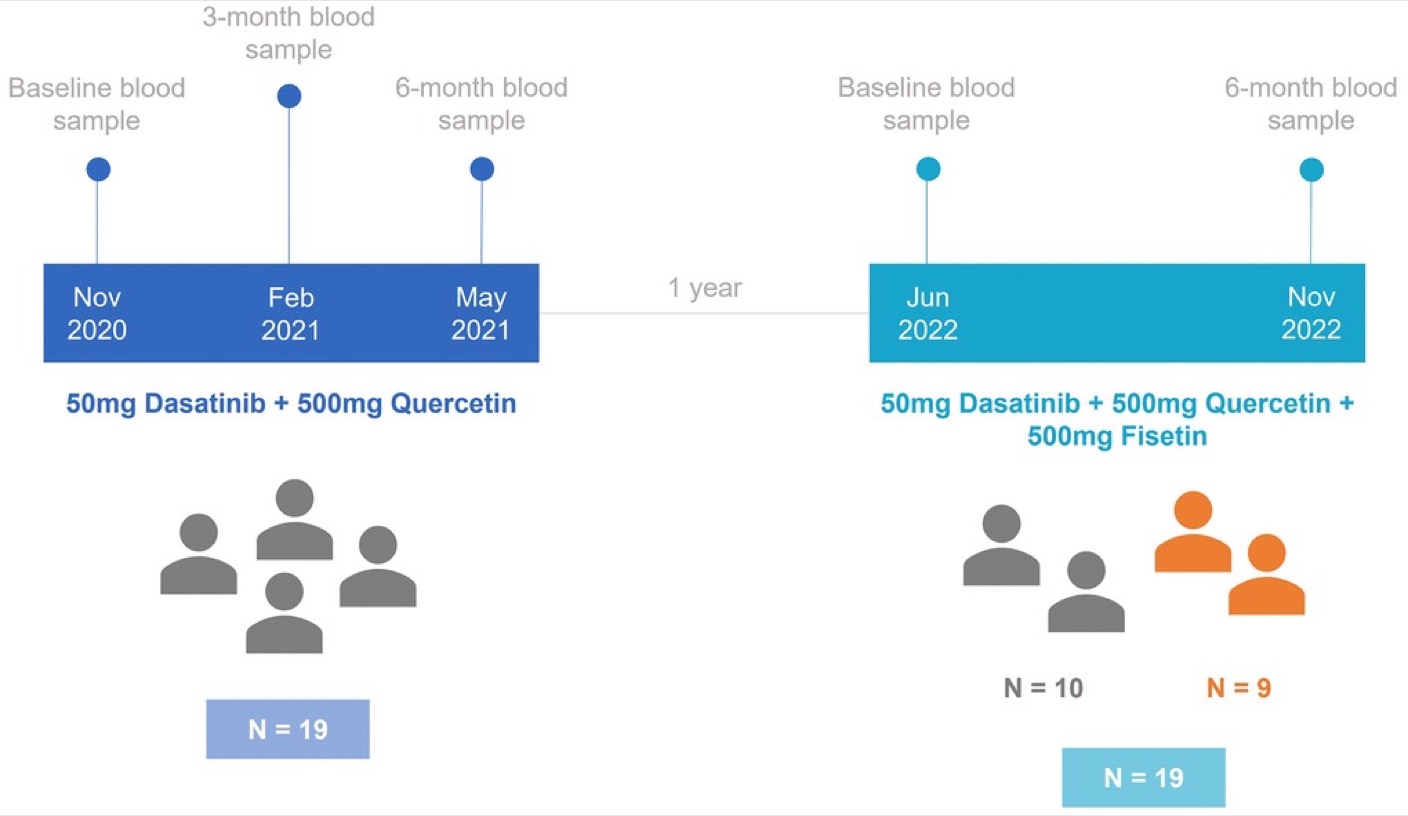
Trials testing dasatinib 100mg + quercetin 1,250mg on a 2-day pulse every 2 weeks over 12 weeks evaluate senescent cell clearance and DNA methylation clock changes. Senolytic therapy is entering serious human study in 2025-2026.

Pediatric Eczema: SCORAD Drops Significantly After 2 Months of Probiotics
Meta-analyses of pediatric atopic dermatitis trials confirm SCORAD scores drop significantly after 2 months of probiotic supplementation. Lactobacillus-Bifidobacterium combinations show the most consistent effects.

'Normal' B12 Isn't Enough: UCSF Rewrites the Cognitive Threshold
A 2025 UCSF study found that older adults with B12 levels at the low end of the normal range show white-matter damage and slowed cognitive and visual processing speeds. The researchers call for updating current B12 requirements.
Exosomes Outperform Retinol by 7.2x on Wrinkles, 17x on Pigmentation in Korean 8-Week Trial
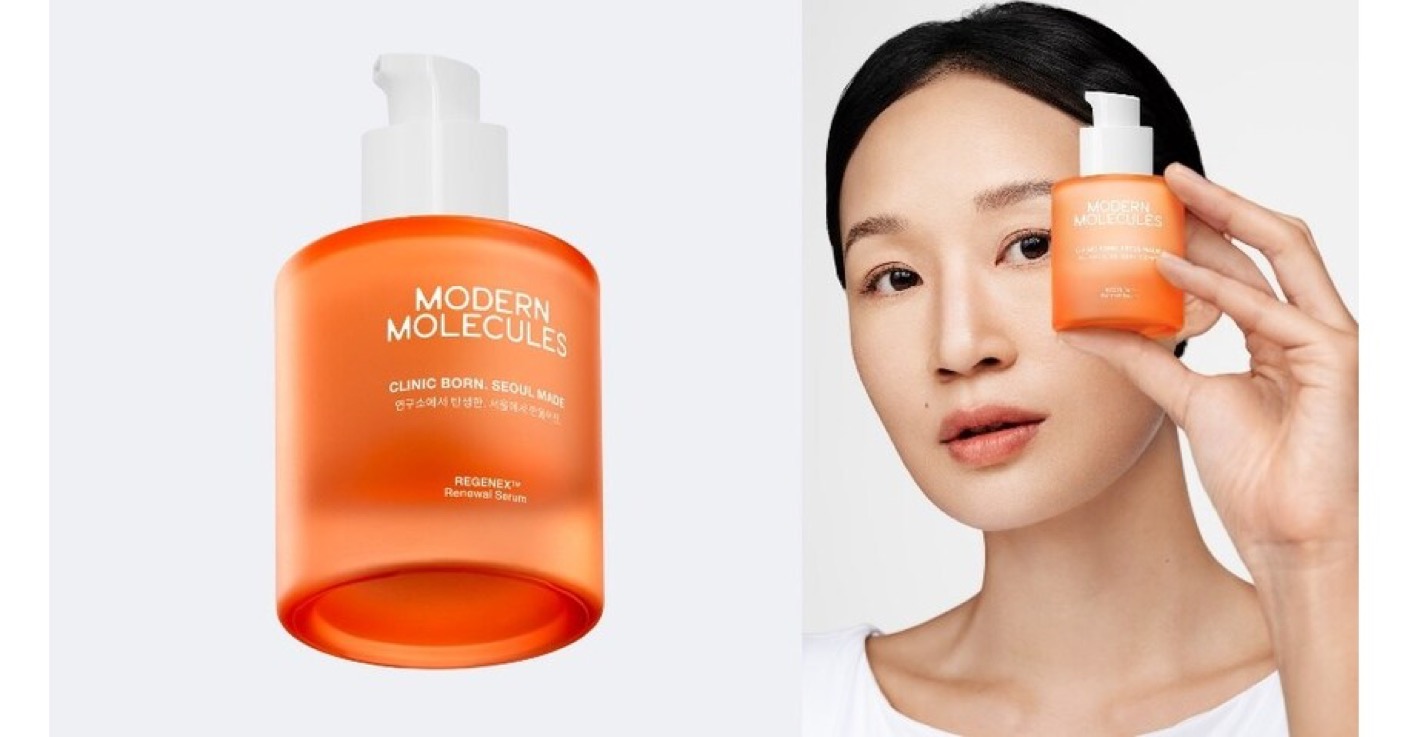
The Korean Skin Research Centre's REGENEX serum trial showed exosomes beating retinol 7.2x on wrinkle reduction and 17x on pigmentation after 8 weeks. K-beauty's next wave is regenerative aesthetics.

March 2026 Systematic Review: Postbiotics Deliver 'Clinically Meaningful' Acne Reduction
A March 2026 systematic review of prebiotics, probiotics, and postbiotics for acne confirmed safety and 'clinically meaningful lesion reductions.' Female acne, persistent on the face and hormone-linked, is a primary target.

Rejuran Arrives in the US, but FDA Only Cleared the Topical Microneedling Path
Korea's salmon-derived polynucleotide treatment Rejuran is gaining traction in the US, but with a crucial distinction. FDA clearance covers only topical application through microneedling, not the injection protocol used in Korea.
Bemotrizinol Nears FDA Approval, Ending 26-Year US Sunscreen Drought
The FDA has proposed bemotrizinol (BEMT) as the first new sunscreen active ingredient since 1999. It would be America's first chemical filter to block both UVA and UVB, with final approval expected in late 2026.

1,500mg Creatine for 8 Weeks Raised Brain Creatine 16.4% in Menopausal Women
The CONCRET-MENOPA trial found that 1,500mg creatine HCl taken daily for 8 weeks increased frontal lobe creatine by 16.4% and improved reaction time by 6.6% in peri- and postmenopausal women.
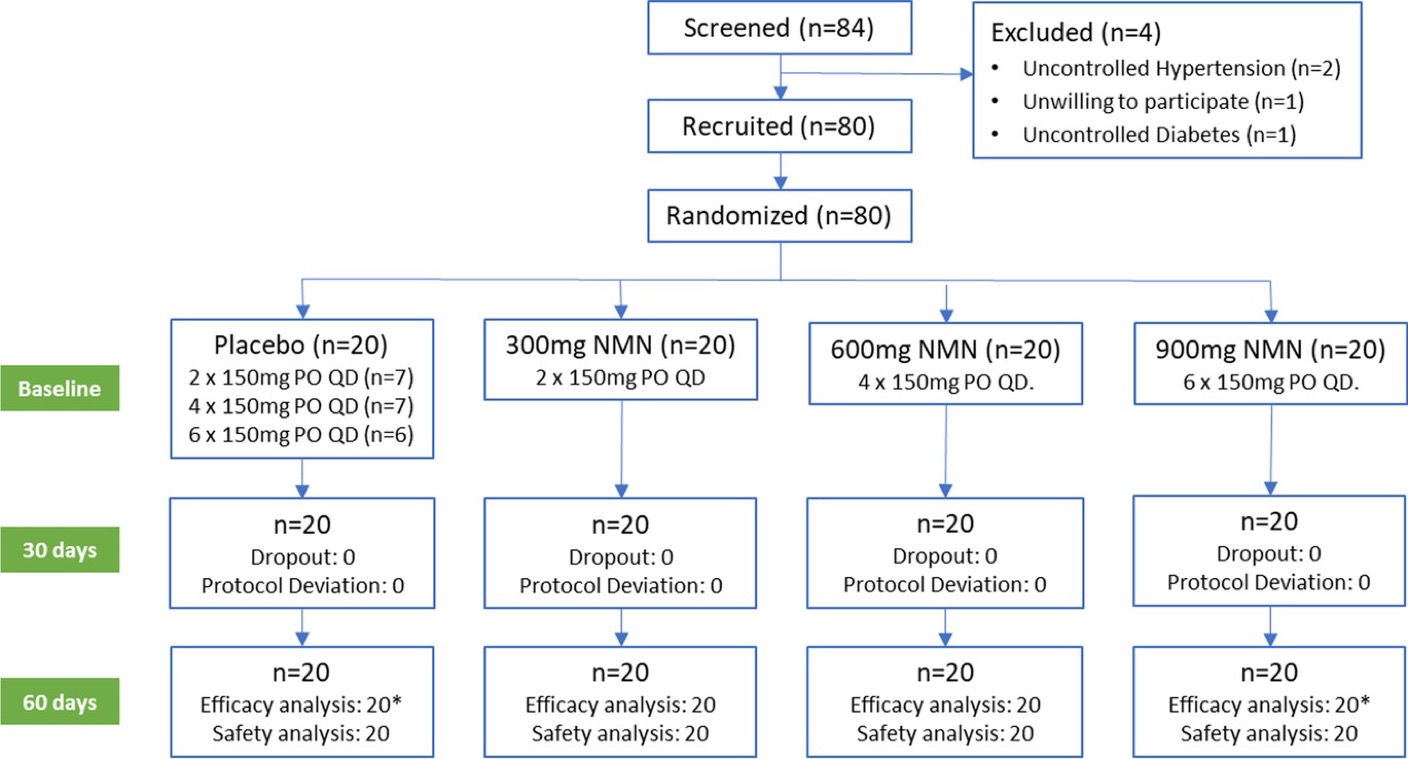
NMN 60-Day Multicenter Trial Confirms Dose-Dependent Effects at 300~900mg
Abinopharm's multicenter double-blind clinical trial confirms that NMN at 300~900mg over 60 days significantly increases blood NAD+ levels, improves physical performance in a dose-dependent manner, and shows a favorable safety profile. A separate trial found 1,000mg/day doubled NAD+ in just 14 days.
Vitamin D Supplementation Slows Telomere Shortening, Reduces Biological Age by 3 Years
Vitamin D3 supplementation significantly inhibited leukocyte telomere shortening, showing an effect equivalent to reversing approximately 3 years of biological aging. An association with reduced colorectal cancer risk was also confirmed.

Brain-Gut-Skin Axis Links Six Conditions, From Acne to Alopecia Areata
A comprehensive review published in Frontiers in Immunology maps the brain-gut-skin axis mechanisms and identifies connections to six conditions: acne, atopic dermatitis, psoriasis, rosacea, vitiligo, and alopecia areata.
NMN Confirmed as Legal Supplement by FDA, Clinical Data at 300~900mg Released
Following the FDA's confirmation of NMN's dietary supplement status, Abinopharm's multicenter double-blind clinical trial published in GeroScience shows dose-dependent NAD+ increases and physical performance improvements at 300~900mg.

Magnesium Acts as Vitamin D's 'Switch,' Confirmed in 250-Person Clinical Trial
A double-blind clinical trial of 250 adults from the Vanderbilt-Ingram Cancer Center confirmed that magnesium acts as a bidirectional regulator of vitamin D, raising low levels and lowering high levels.

Collagen Supplements Show No Effect on Skin Roughness, 8,000-Person Meta-Analysis Finds
An umbrella review from Anglia Ruskin University, synthesizing 113 randomized controlled trials with approximately 8,000 participants, found that collagen supplements improve skin hydration and elasticity but show no significant effect on roughness or deep wrinkles.

How Stress Ages Your Skin, From Cortisol to Collagen Breakdown
Chronic stress activates MMP enzymes that degrade collagen and elastin. The skin enzyme 11beta-HSD1 converts inactive cortisone to active cortisol locally. 2025 clinical findings.

Collagen Precursors Reduced Biological Age by 1.4 Years in 6 Months
A collagen precursor supplement combining glycine, proline, and hydroxyproline in a 3:1:1 ratio reduced biological age by an average of 1.4 years over six months in a 66-person trial.

NMN 500mg for 12 Weeks Increased Anagen Hair Density by 57%
A Mitsubishi Life Sciences clinical trial found that 15 women aged 40-50 who took 500mg NMN daily for 12 weeks saw anagen hair density rise from 55.9 to 87.7 hairs/cm², a 57% increase.
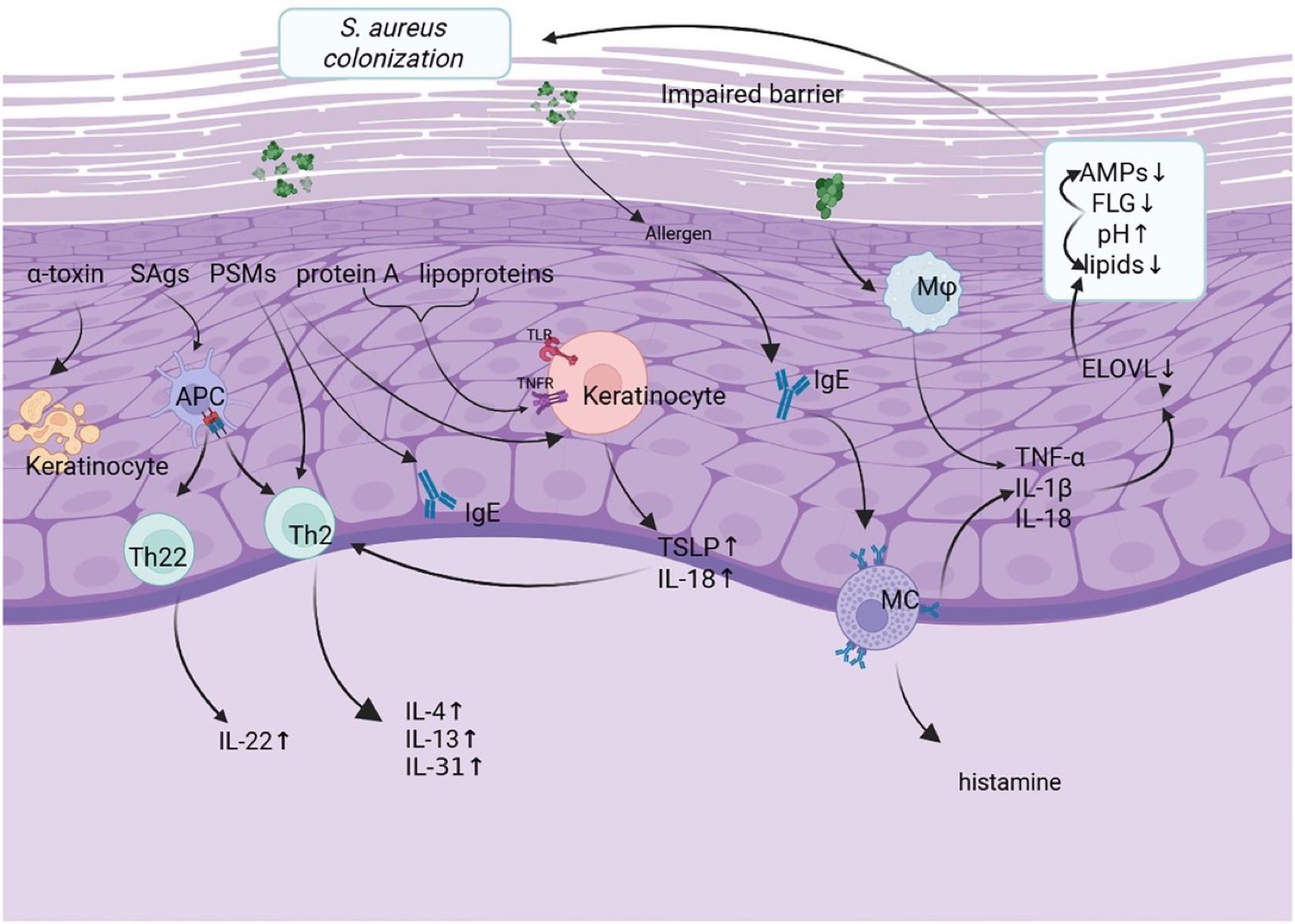
Atopic Dermatitis May Start in the Gut, Not the Skin
Early-persistent atopic dermatitis linked to gut acetate levels and Ruminococcus gnavus abundance. The gut-skin axis is shifting treatment paradigms.
NAD+ Supplementation, Oral vs. IV, Which Route Actually Reaches Your Cells
NR IV infusion raised NAD+ levels by 20.7% at 3 hours. Oral precursors cost $30-80/month vs. $100-500 for IV. A comparison of clinical data across delivery routes.

Cellness: When Beauty Starts at the Cellular Level
Cellness is the 2026 beauty trend targeting cellular repair rather than surface appearance. Clinical data shows 28% increase in neural fiber density and 12.8x improvement in hair density. Younger consumers are leading the shift from correction to prevention.

Women Age Differently. Longevity Science Is Finally Catching Up.
Longevity research has historically been built on male data. Ovarian function determines the whole-body health trajectory, and post-menopausal resilience drops sharply. Hormonal health, life-stage nutrition, and female athlete performance are opening new research frontiers.

The Ovaries Age Fastest. That May Be the Key to Women's Longevity.
XPRIZE launched a $50 million women's health prize in 2026. Oviva Therapeutics is developing an AMH-based drug. Rapamycin studies in animals show ovarian aging can be slowed. A new field of longevity science is finally focused on women.

Your Skin and Brain Are Still Talking to Each Other
Dermalogica, Bel Col, and Shiseido are formulating around the skin-brain axis using hexapeptides, GABA, and CoQ10. With 39% of global consumers drawn to clinical beauty, neurocosmetics is becoming a legitimate category with real science behind it.

The A4M Longevity List for 2026: What Has Real Evidence Behind It
A4M released its 20 longevity trends for 2026. We sorted them by evidence level. Senolytics, urolithin A, injectable NR, rapamycin, C15:0 fatty acid, methylene blue, Akkermansia, epigenetic clocks, Galleri multi-cancer screening, and fibermaxxing.

The Complete Map of Longevity Science in 2026: A4M's 20 Trends in Four Layers
A4M published 20 longevity trends for 2026. We organize them into four layers: diagnostics (epigenetic clocks, Galleri multi-cancer screening), cellular intervention (senolytics, urolithin A, rapamycin), metabolism and gut (GLP-1, Akkermansia, fibermaxxing), and devices (HBOT, vagus nerve stimulation).