A Probiotic You Apply to Skin Reduces Eczema Severity by Over 75%
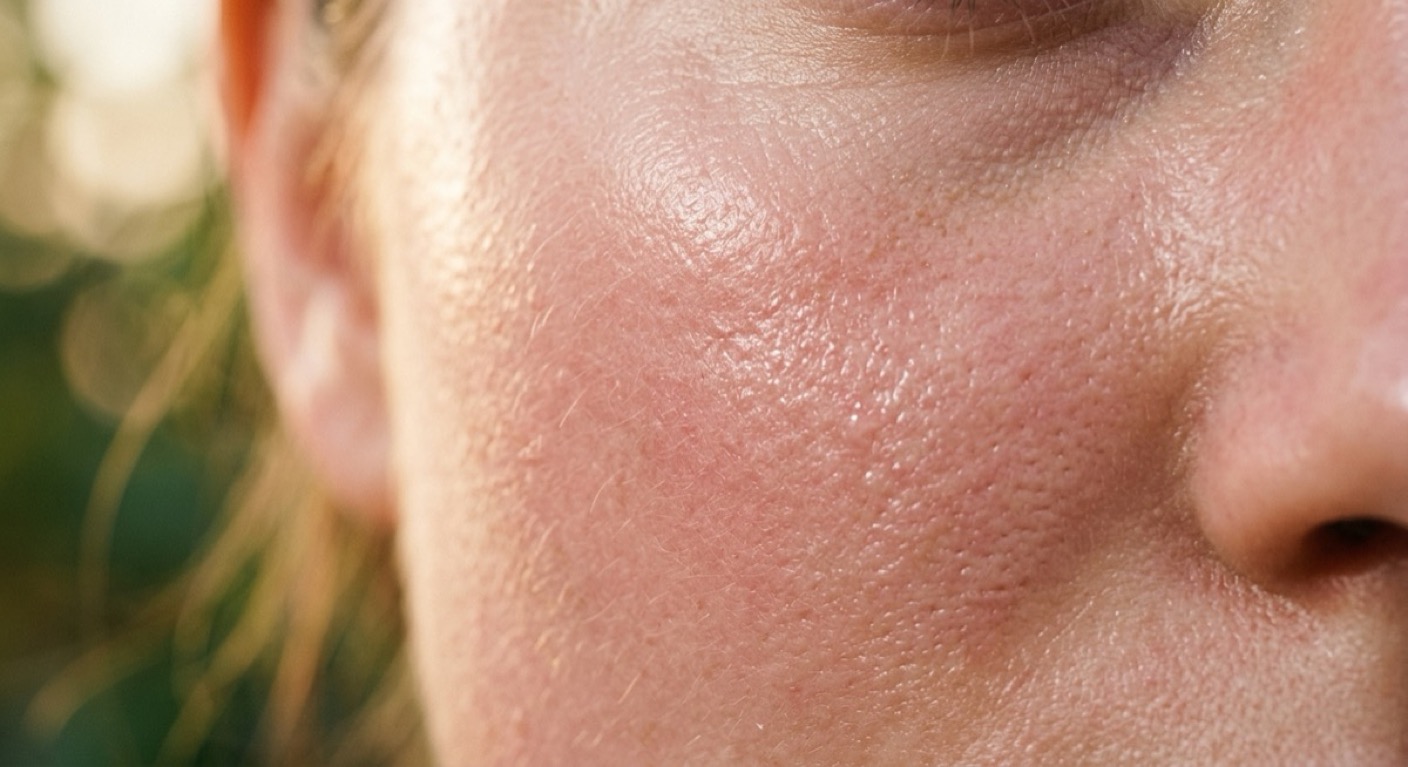
Eczema, also known as atopic dermatitis, is a chronic inflammatory skin condition affecting up to 20% of children and around 10% of adults globally. The hallmarks are relentless itch, skin barrier breakdown, and cycles of flare and remission. Standard treatments have long centered on topical corticosteroids and immunosuppressants. Now the US National Institute of Allergy and Infectious Diseases (NIAID) has published results pointing in a different direction entirely: Defensin, a probiotic applied directly to the skin.
When the Skin Microbiome Falls Out of Balance
The word “probiotic” usually calls to mind a capsule taken for gut health. But skin hosts thousands of microbial species too, and growing evidence shows that disrupting this balance drives eczema flares.
On healthy skin, a bacterium called Roseomonas mucosa is a natural resident. It is gram-negative (a classification based on cell wall structure) and contributes to skin barrier integrity and immune regulation. When researchers analyzed eczema patients’ skin, R. mucosa counts were consistently and significantly lower than on healthy skin.
NIAID’s team started there. If a key bacterium is depleted, what happens when you restore it? That question led to Defensin.
Clinical Results: 75% or More Saw Meaningful Improvement
The research ran across two phases. An open-label Phase 1/2 trial (where both researchers and participants know what treatment is being given) was followed by a blinded, placebo-controlled Phase 2 trial (where neither side knows who receives active treatment).
The findings were clear. More than 75% of participants experienced significant reductions in eczema severity. Severity was measured using the EASI (Eczema Area and Severity Index), a validated scoring system that accounts for rash area and intensity across the body. Both adults and children responded positively, and the placebo-controlled data confirmed the effect held up beyond expectation bias.
Skin barrier markers shifted too. Transepidermal water loss (TEWL), a measure of how well the skin retains moisture, decreased. Immune activity in the skin moved toward a healthier baseline. The treatment was not simply suppressing symptoms from above; the skin itself appeared to be recovering its own regulatory function.
A Different Kind of Treatment Logic
Topical corticosteroids reduce inflammation quickly, but long-term use can thin the skin and cause vascular changes. Biologic drugs like dupilumab (an injectable that blocks specific immune signaling molecules) show strong efficacy but carry access and cost barriers.
Defensin works from a different premise. Rather than inhibiting or blocking the immune system, it restores the skin’s ecosystem. It replenishes a missing bacterial resident and lets the skin rebalance itself. That distinction matters for long-term safety: a treatment that supports natural function rather than overrides it carries a different risk profile.
The inclusion of pediatric patients is also significant. Eczema frequently begins in infancy, and sustained steroid use in children raises additional caution. A topical probiotic with a favorable safety profile could meaningfully expand treatment options for younger patients.
From Research to Market
Skinesa, the company licensing NIAID’s discovery, is advancing Defensin through the FDA approval process. No confirmed commercial launch date has been announced as of 2026.
What separates Defensin from the probiotic skincare products already lining store shelves is its regulatory pathway. Over-the-counter probiotic cosmetics are classified at the cosmetic level and cannot legally claim to treat any medical condition. Defensin is being developed as a pharmaceutical drug, backed by clinical data, seeking approval specifically for eczema. The category looks similar from the outside; the standards behind it are different.
The Skin Microbiome Is Having Its Moment
The gut microbiome dominated medical research headlines throughout the 2010s. The skin microbiome is following. Evidence is accumulating that the community of bacteria, fungi, and viruses living on skin directly shapes immune function and barrier integrity.
Eczema is not the only condition where microbiome imbalance appears. Acne, rosacea (a chronic inflammatory condition causing facial redness), and psoriasis all show microbiome signatures. Defensin’s clinical success with R. mucosa sends a signal across the field: therapeutically restoring a disrupted skin ecosystem is achievable.
This is not a treatment most people can access today. But the distance between “probiotic” as a skincare marketing word and “probiotic” as a clinically validated treatment for eczema is closing. Defensin may be the clearest marker yet of where that gap ends.