Body Serums Grew 42%. Skincare Has Left the Face.
The logic of facial skincare is no longer confined to the face. The same ingredient standards, the same barrier-focused thinking, and the same clinical expectations that transformed complexion care over the past decade are now being applied to the scalp and the body. The industry calls this “skinification,” and the numbers behind it are hard to ignore.
Circana data shows body serum sales grew 42% compared to the prior year. Scalp care grew 19% over the same period. Traditional body lotion was built around one goal: hydration. Body serums operate on a different premise entirely. They contain active ingredients, retinol, niacinamide, glycolic acid, peptides. The language and expectations of skincare have migrated to everything below the jaw line.
The Scalp Is Skin, Too
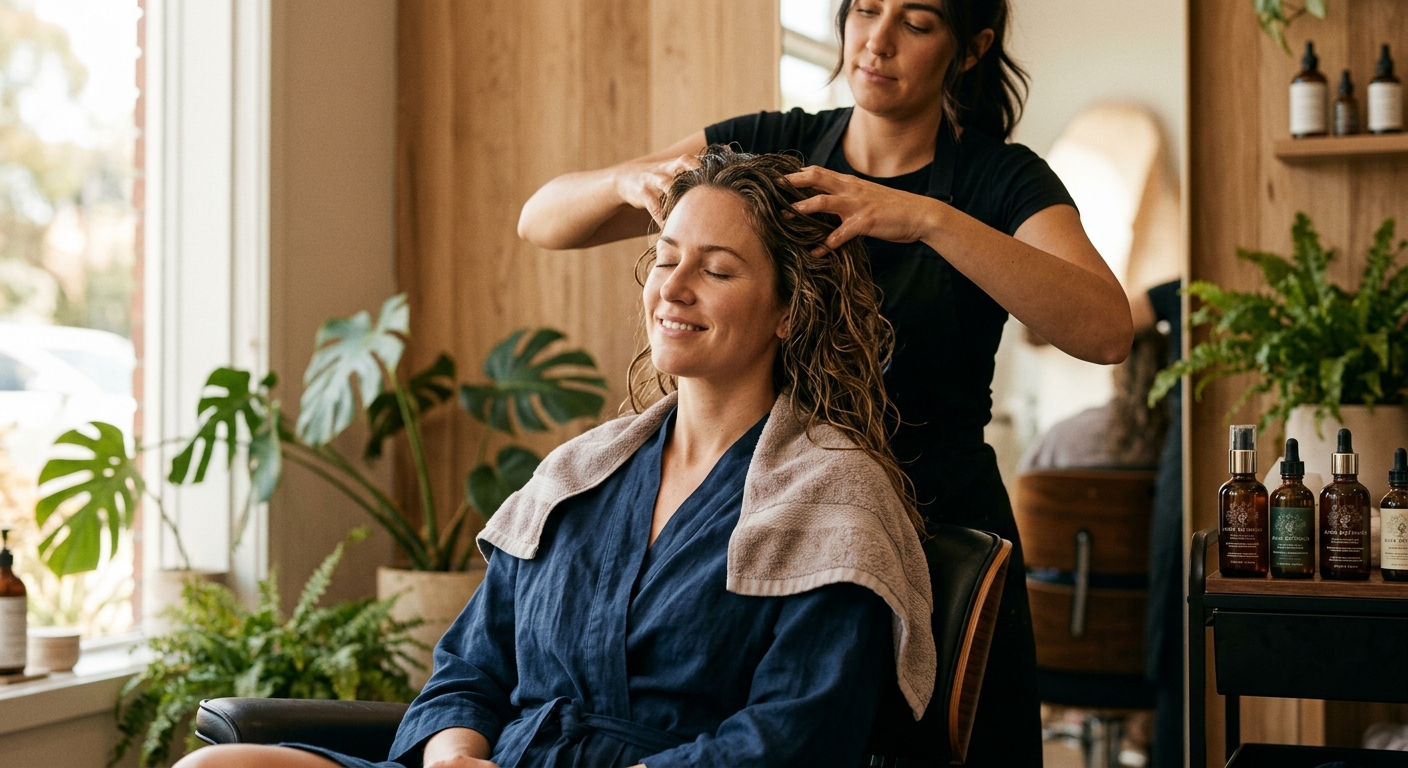
Scalp care is following the same trajectory. Scalp serums, exfoliating scalp treatments, and pH-balancing shampoos are all contributing to growth at the premium end of hair care. The underlying shift is conceptual. When consumers start thinking of the scalp as skin with its own barrier function, it becomes logical to treat it the way they treat their face. A compromised scalp barrier leads to sensitivity, flaking, and slower hair growth, much the same way a compromised facial barrier leads to reactive skin and accelerated aging.
K-beauty deserves credit for laying the conceptual groundwork. Korean beauty culture introduced the idea of skin barrier health to a global audience earlier and more thoroughly than any other influence. The same principles that made double cleansing and barrier-repair serums mainstream in facial care are now extending naturally to the scalp and body. Ingredient layering, barrier-first thinking, and a long-term approach to skin health are simply spreading to cover more surface area.
The Ingredients Making the Move
Ceramides, hyaluronic acid, and peptides have been established in facial skincare for years, and their migration into body care is accelerating. Ceramides are lipids that form the structural matrix of the outer skin layer. They prevent water loss and protect against external irritants. On the body, they are especially useful for chronically dry areas like elbows and shins. Hyaluronic acid binds water with remarkable efficiency, making it a practical ingredient for body serums targeting dehydration.
Peptides, short chains of amino acids that signal the skin to produce collagen, serve the same role in body serums as they do in facial ones: supporting skin elasticity and communicating with skin cells to maintain structural integrity.
Luxury brands have recognized the opportunity. La Mer, Augustinus Bader, and 111Skin have all moved their core technologies into body care, entering a segment that was previously dominated by mass-market products with basic formulations.
The 42% growth figure is not a trend waiting to be validated. It reflects a consumer who has already internalized the skin barrier concept and sees no reason to stop at the neck. Once you understand what goes into caring for your face, applying the same care everywhere else is the obvious next step.