Spermidine's Dual Nature: Anti-Aging in Healthy Cells, Tumor Fuel in Cancer
Spermidine is a star compound in longevity research. It stimulates autophagy, the cellular recycling process that clears damaged components. It extends lifespan in animal models. It correlates with better cardiovascular health in observational studies. But the same molecule also appears at high levels in aggressive cancers.
A team led by Associate Professor Kyohei Higashi at Tokyo University of Science has published the molecular explanation for this paradox in the Journal of Biological Chemistry.
Same Molecule, Different Protein Switches
The resolution lies in two versions of a single protein: eIF5A.
In healthy cells, polyamines including spermidine activate eIF5A1. This protein stimulates autophagy and supports mitochondrial respiration, the cornerstone of efficient energy production and cellular maintenance.
In cancer cells, eIF5A2 takes over. Despite sharing 84% of its amino acid sequence with eIF5A1, eIF5A2 drives a fundamentally different metabolic program. It amplifies glycolysis, the rapid conversion of glucose to energy that tumor cells rely on for fast proliferation.
6,700 Proteins Tracked
The research team depleted polyamine levels in cancer cell lines and then restored them, tracking changes across more than 6,700 proteins using proteomic analysis. When polyamines returned, eIF5A2 levels rose. The mechanism involved disruption of miR-6514-5p, a microRNA that normally suppresses eIF5A2 expression.
The central finding: polyamines primarily boost glycolysis in cancer cells rather than mitochondrial respiration. This is a direct contrast to the longevity mechanism observed in healthy tissue, where polyamines support mitochondrial function and cellular cleanup.
What This Means for Supplement Users
This study does not claim that spermidine causes cancer. It establishes that the same raw material is processed through qualitatively different pathways depending on cellular context.
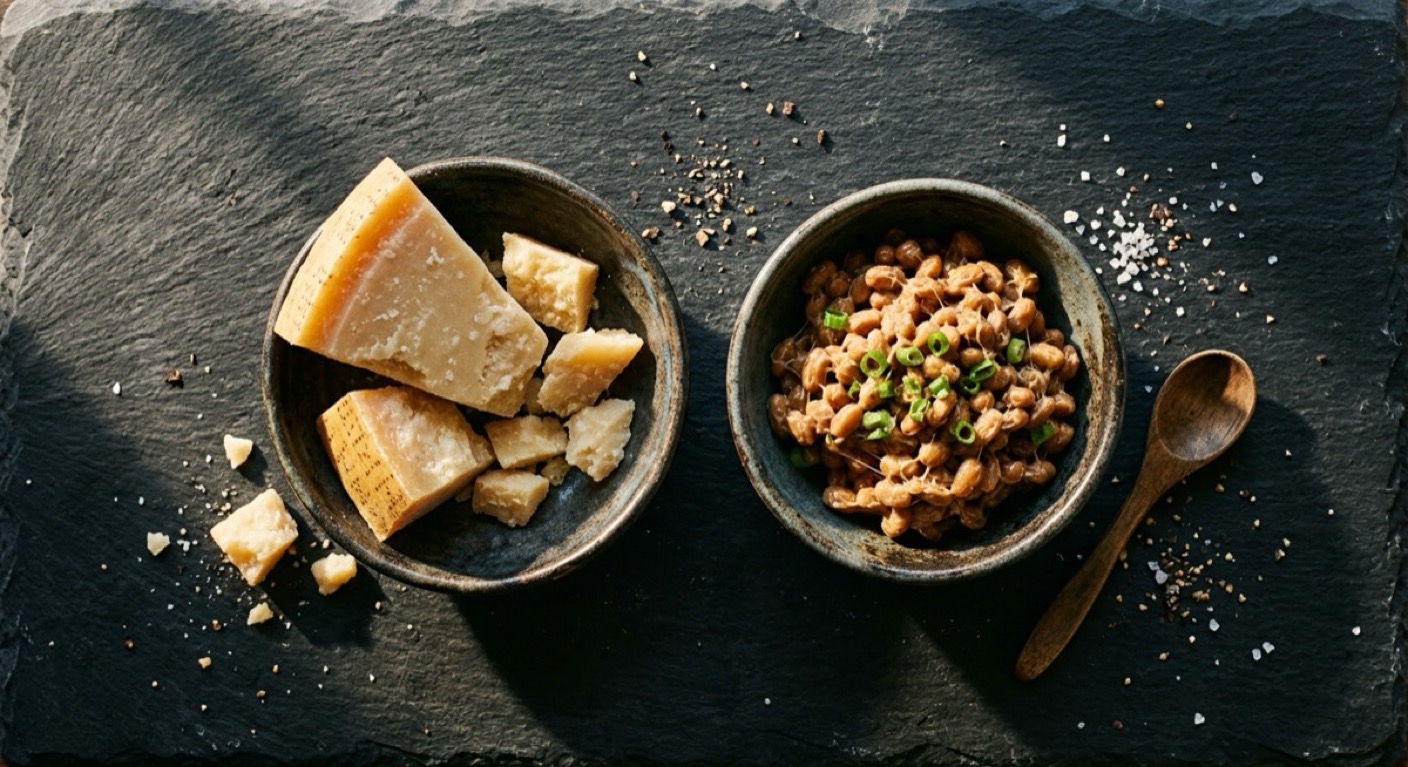
For practical decision-making: if you have a personal or strong family history of cancer, discussing high-dose spermidine supplementation with your physician is a sensible step. Dietary intake through aged cheese, fermented soy, legumes, and whole grains has no epidemiological association with increased cancer risk. In fact, populations with the longest lifespans tend to consume more dietary polyamines, not less.
The principle here is broader than spermidine alone. “Good for longevity” and “safe for everyone at any dose” are not interchangeable statements. Biological context determines biological outcome.
Frequently Asked Questions
Should I stop taking spermidine supplements? This study describes a cellular mechanism, not direct evidence that spermidine supplements cause cancer in healthy people. However, if you have a cancer history or elevated risk, discussing high-dose supplementation with your doctor is reasonable. Dietary intake from foods like aged cheese, legumes, and whole grains is considered safe.
How are eIF5A1 and eIF5A2 different? They share 84% amino acid sequence identity but serve different functions. eIF5A1, dominant in normal cells, supports autophagy and mitochondrial respiration. eIF5A2, elevated in cancer cells, drives glycolysis, the rapid glucose-to-energy pathway that fuels tumor proliferation.
Which foods are highest in spermidine? Aged cheeses (cheddar, parmesan), fermented soy (miso, natto), legumes, whole grains, and mushrooms are the richest dietary sources. Epidemiological data does not link dietary polyamine intake to increased cancer risk, and longevity populations tend to have higher polyamine consumption.