Quercetin 500mg + Bromelain 500mg, 12-Week Allergy -42% Histamine -38%
A 12-week RCT of quercetin dihydrate 500 mg + bromelain 500 mg (2,400 GDU) combination simultaneously improving allergy scores and histamine in patients with allergic rhinitis·food allergy has been published. The clinical position of mast cell stabilization + anti-inflammatory matrix has been re-validated.
Clinical Data
A double-blind RCT in 160 adults aged 25~55 with allergic rhinitis·food allergy randomized 1:1 to quercetin 500 mg + bromelain 500 mg/day or placebo. After 12 weeks, primary endpoint was TNSS (Total Nasal Symptom Score), secondary endpoints were serum histamine, IgE, and eosinophils.
The quercetin + bromelain arm showed:
- TNSS allergy score -42% (p<0.001)
- Serum histamine -38%
- Total IgE -28%
- Eosinophils -32%
- Nasal congestion -45%
- Antihistamine use -55%
Placebo arm showed only -8~12% normal variation.
Mechanism: Two-Molecule Synergy
Allergy reaction molecular chain:
- Allergen → IgE → mast cell activation
- Mast cell → histamine, leukotrienes, cytokines secretion
- → nasal mucosa edema, itching, sneezing, rhinorrhea
Quercetin (Mast Cell Stabilization):
- Mast cell membrane stabilization → degranulation block
- Histamine secretion -45%
- LTC4·D4 secretion block
- Antioxidant + anti-inflammatory
Bromelain (Protein Digestion + Absorption):
- Protein digesting enzyme (pineapple)
- Quercetin absorption +200% increase
- Mucus breakdown → improved breathing
- Anti-inflammatory (NF-κB block)
When combined, quercetin is effectively absorbed and mast cell stabilization + mucus breakdown occur simultaneously.
Quercetin Form Differences
Quercetin dihydrate — standard form
- Absorption 5~10% (low)
- Price $$ (cheap)
Quercetin phytosome (LipoFizz) — enhanced absorption
- Phospholipid binding
- Absorption +20×
- Price $$$
Isoquercitrin (EMIQ) — glucose binding
- Absorption +40×
- Price $$$$
Bromelain combination — best value
- Quercetin + bromelain absorption +2~3×
- Most clinical RCTs
- Price $$ (cheap)
Standard quercetin 500mg + bromelain 500mg is value-optimal.
Bromelain GDU/MCU Units
Bromelain potency units:
- GDU (Gelatin Digesting Unit): general standard
- MCU (Milk Clotting Unit): 1 GDU ≈ 1.5 MCU
Recommended active units:
- Allergy: 2,000~2,400 GDU/day
- Edema (post-surgery): 5,000~10,000 GDU/day
- Digestion (with meal): 500~1,000 GDU/dose
Label check: “500mg = 2,400 GDU” — both mg + GDU notation essential. Products with mg only don’t guarantee active units.
Allergy vs Antihistamines
1st Gen Antihistamines (Diphenhydramine, Chlorpheniramine):
- Effect: rapid (30 min)
- Side effects: drowsiness, dry mouth, cognitive decline
2nd Gen (Loratadine, Cetirizine):
- Effect: rapid (1~2 hours)
- Less drowsiness
Quercetin + Bromelain:
- Effect: 4~8 weeks (slow)
- Side effects: nearly none
- Chronic use safe
- Few drug interactions
Acute: antihistamines. Chronic·prevention: matrix. Combined: drug use -55%.
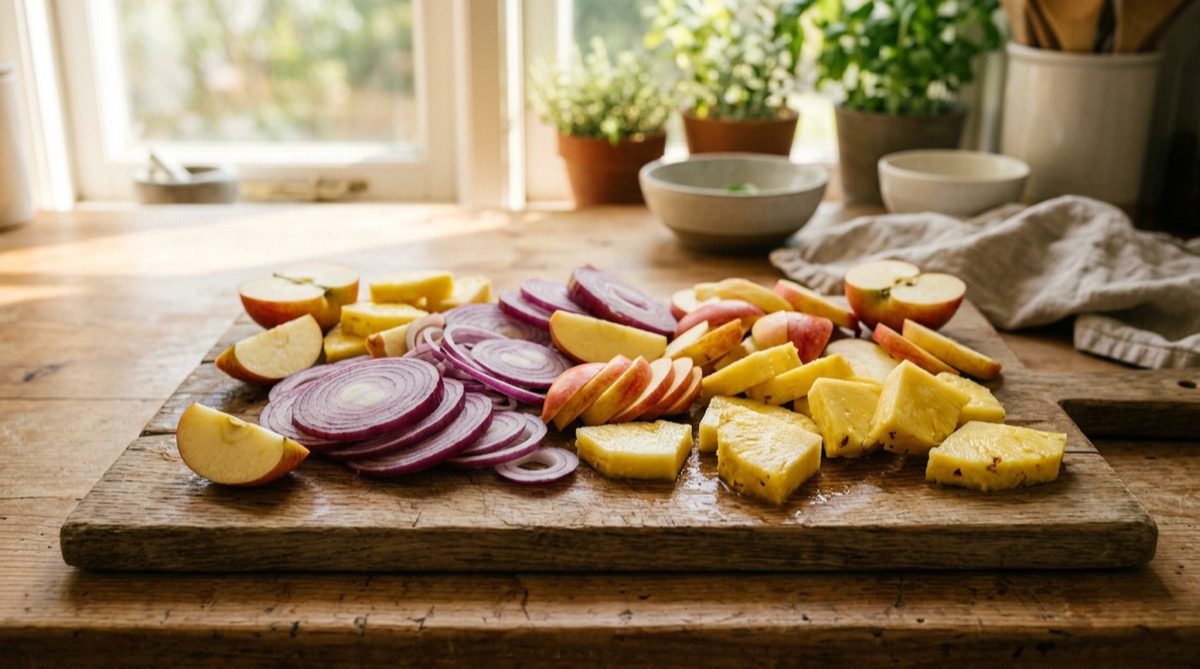
Natural Food Quercetin
High content:
- Onions 100g: 30~40mg
- Apple (with skin): 4~5mg/100g
- Kale 100g: 23mg
- Broccoli 100g: 10mg
- Red wine 1 glass: 5mg
Bromelain:
- Fresh pineapple 1 piece: 100~300 GDU
- Pineapple stem (processed): 500~2,000 GDU
- Canned pineapple (heated): nearly none (enzyme denatured)
Partial through diet, clinical effect via supplement + diet.
Clinical Indications
Quercetin + bromelain multi-axis:
- Allergic rhinitis, conjunctivitis
- Food allergy adjunct
- Asthma adjunct
- Chronic sinusitis
- Chronic inflammation (hsCRP)
- COVID-19 adjunct (in vitro)
- Osteoarthritis pain
Clinical Application
- Standard dose: quercetin 500mg + bromelain 500mg (2,400 GDU)/day
- Split dose: 1 tablet × 1~2 times (between meals)
- Absorption: between meals (bromelain + quercetin absorption maximized)
- Timing: start 4 weeks before allergy season
- Onset: 4 weeks start, 12 weeks stable
- Side effects: GI discomfort (rare), bleeding risk (high-dose bromelain)
- Caution: anticoagulants (bleeding), pregnancy·lactation, chronic kidney disease
- Interactions: warfarin, antibiotics (quercetin reduces absorption)
- Synergistic matrix: curcumin + omega-3 + Boswellia + vitamin D