30 Plants Per Week: Why Gut Diversity Determines Skin Health
The conversation about skin health has traditionally been conducted at the skin’s surface: the right serums, the right barrier ingredients, the right SPF. A February 2026 review in MDPI Cosmetics, examining the cumulative research on prebiotics, probiotics, and postbiotics in relation to skin outcomes, maps a different axis. The gut microbiome, and specifically its diversity, is emerging as a meaningful upstream variable for skin reactivity, barrier function, and inflammatory tendency.
The 30-Plant Benchmark
The British Gut Project, one of the largest microbiome research efforts to date, produced data that has since influenced dietary recommendations globally. Participants who ate 30 or more distinct plant foods in a given week showed significantly greater gut microbial diversity than those eating 10 or fewer. Crucially, short-chain fatty acid-producing bacterial species were disproportionately well-represented in the high-diversity group.
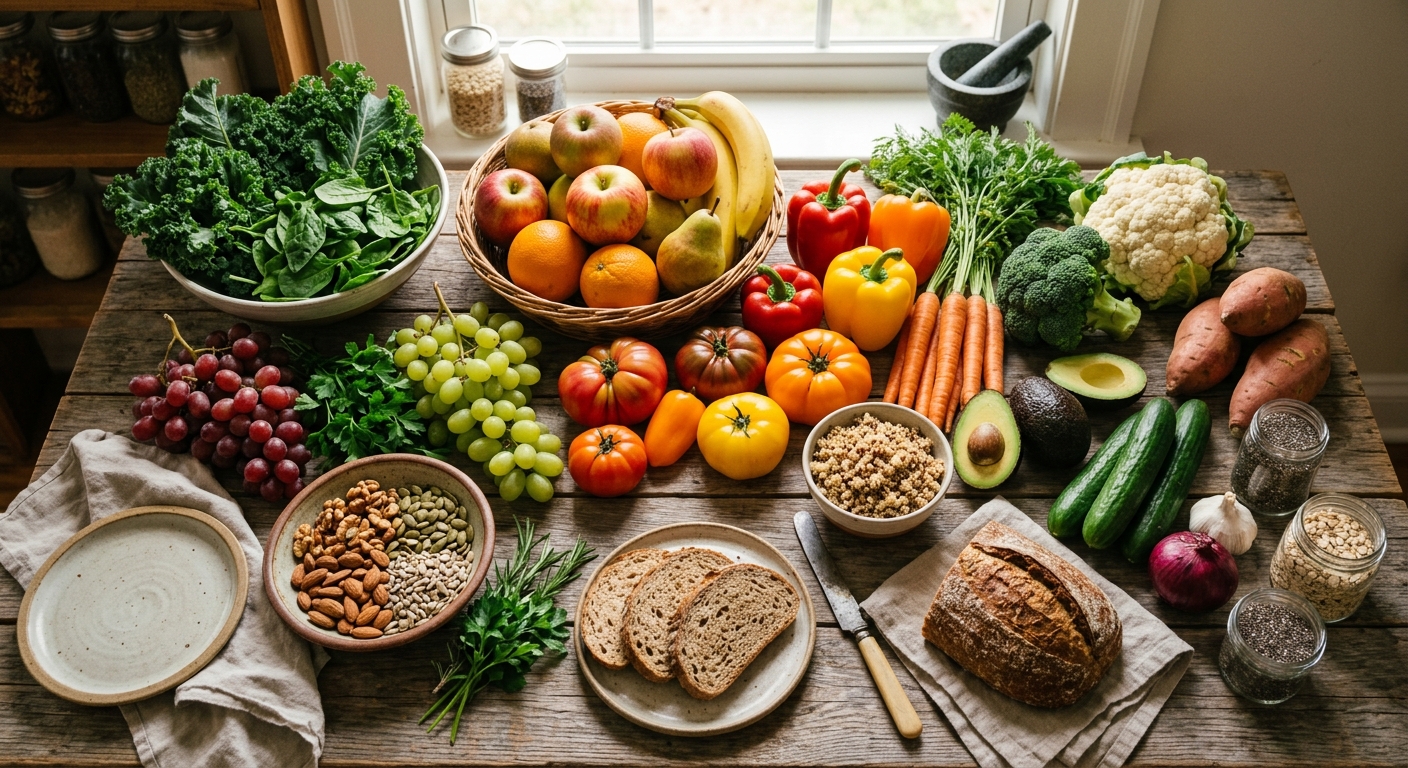
The 30-plant figure is inclusive: vegetables, fruits, whole grains, legumes, nuts, seeds, herbs, and spices all count. Cumin and turmeric used in one meal are two separate entries. Onion and leek are different plants. The goal is variety in fermentable substrates rather than quantity of any single food, because different bacterial species preferentially ferment different types of plant fiber.
Butyrate: The Molecule That Connects Gut and Skin
Short-chain fatty acids, particularly butyrate, are produced when gut bacteria ferment dietary fiber. Butyrate is the primary energy source for intestinal epithelial cells, the cells that line the gut wall and form its barrier function. When butyrate availability is high, tight junction proteins between intestinal cells are expressed more strongly, reducing intestinal permeability.
The same principle extends systemically. Higher gut barrier integrity correlates with lower levels of inflammatory compounds entering the bloodstream. Lipopolysaccharide (LPS), an endotoxin released by certain gut bacteria, is one of the most studied gut-to-skin inflammatory mediators. When the gut barrier leaks, LPS and other pro-inflammatory compounds reach the skin via circulation, activating immune responses that manifest as acne flares, chronic redness, and heightened sensitivity.
The Microbiome Species That Matter
Several bacterial genera are consistently linked to better skin outcomes in the gut-skin axis literature. Akkermansia muciniphila has emerged as a key species for mucus layer maintenance in the gut, with declining populations associated with increased intestinal permeability. Bifidobacterium and Lactobacillus species maintain gut acid pH, compete with pathogenic bacteria for attachment sites, and produce compounds with anti-inflammatory properties.
Dysbiosis, an imbalance in microbiome composition, has been observed in patients with atopic dermatitis, psoriasis, rosacea, and acne relative to healthy controls. Whether the microbiome imbalance drives the skin condition, or both are downstream of a shared upstream cause, remains an active research question. What is consistent is the correlation between gut microbial health and skin inflammatory status.
Where Prebiotic Supplements Fit
Inulin, fructooligosaccharides (FOS), galactooligosaccharides (GOS), and other isolated prebiotic fibers selectively stimulate specific bacterial strains. They are useful for targeted applications: FOS and GOS are well-studied for supporting Bifidobacterium populations. Resistant starch feeds butyrate-producing Firmicutes. These supplements work, but they work selectively, feeding a subset of the microbial ecosystem.
Plant food diversity feeds the entire ecosystem broadly. For skin health goals, the diversified microbiome supported by 30+ plant foods per week provides more comprehensive support for the gut-skin axis than any single prebiotic ingredient. Supplements are a useful adjunct, especially for individuals with compromised gut function, but they do not replicate the broad substrate variety that a diverse plant-based diet provides.
Getting to 30
The practical barrier to 30 plants per week is mostly perceptual. Counted methodically, most people who eat reasonably varied diets are already at 15 to 20 without trying. Adding five to ten more means reaching for a different grain at breakfast, mixing two types of beans rather than one, keeping a few different seeds to top meals, and varying the leafy greens in a salad. The investment is low once the habit is built. The microbiome, and eventually the skin, responds to consistency over months rather than dramatic short-term interventions.