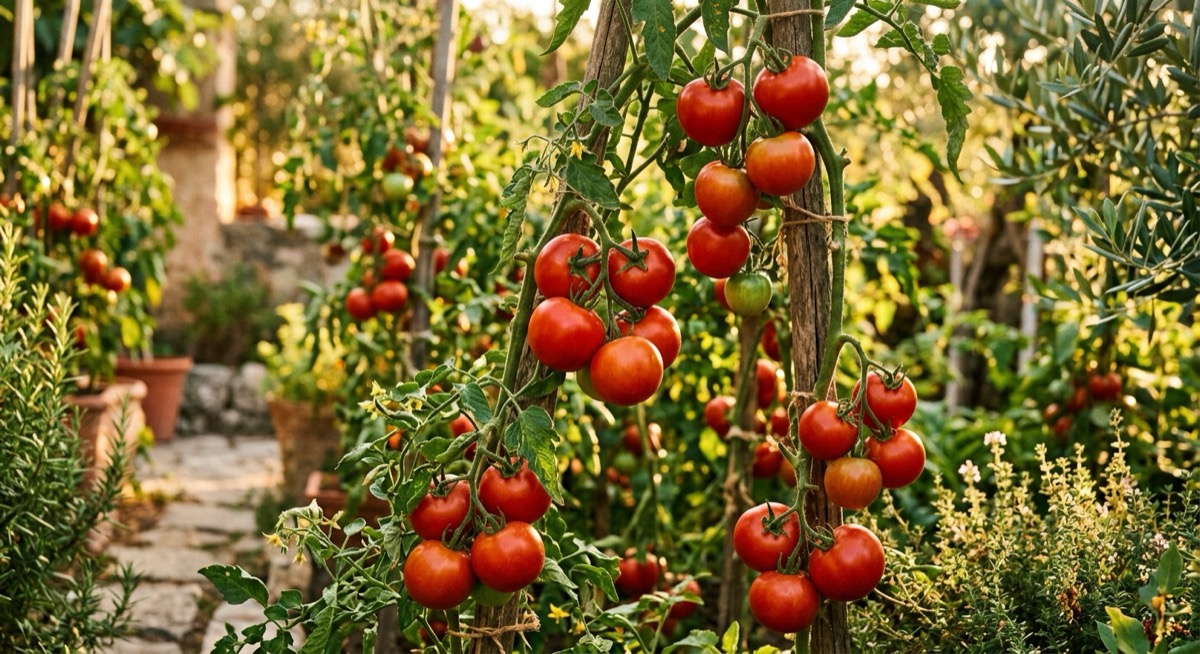
Lycopene Meta-Analysis: 121 Cohorts in 108,574 Cancer Cases Show Inverse Association with Prostate Cancer
The largest meta-analysis comprehensively examining tomato and lycopene cancer prevention effects was published in Frontiers in Nutrition. With 121 prospective cohort studies, 108,574 cancer cases, and 10,375 deaths, the data validated meaningful inverse associations between dietary lycopene and tomato intake and prostate cancer risk.
Meta-analysis core results
Participants: 121 prospective cohort studies. Follow-up 2~32 years. 108,574 cancer cases, 10,375 deaths.
Prostate cancer inverse association (linear): Dietary lycopene intake and prostate cancer risk RR 0.99 (95% CI 0.97-1.00, p=0.045).
Tomato intake protective: Both dietary tomato and blood lycopene levels protective.
Advanced prostate cancer: Some data show stronger inverse association than non-advanced.
Total cancer risk: Weak inverse association with some other cancer types.
RCT data limitations: 3 RCTs in 154 participants showed no significant difference in PSA between lycopene supplementation and comparison. Long-term dietary patterns more clinically relevant than short-term supplementation.
What is lycopene
Lycopene: A carotenoid. Red pigment. Antioxidant activity.
Dietary sources:
- Tomatoes: Most abundant. ~4 mg per cup.
- Tomato paste/sauce: More concentrated. ~75 mg per cup.
- Watermelon: ~12 mg per cup.
- Pink grapefruit: ~4 mg per piece.
- Papaya: ~2.5 mg per cup.
- Cooked tomatoes have superior absorption to raw.
Structure: Non-cyclic carotenoid. Strong antioxidant with 11 conjugated double bonds.
Mechanism
Oxidative stress reduction: Strong antioxidant. 100x more effective than vitamin E for singlet oxygen scavenging.
Inflammation reduction: Some slowing of chronic inflammation.
Cell cycle regulation: Some data on slowing cancer cell proliferation.
Angiogenesis inhibition: Partial inhibition of tumor neovascularization.
Male hormone effects: Some effects on dihydrotestosterone (DHT) synthesis.
Diet vs supplements
Dietary lycopene: Tomato dietary patterns have strong data. Synergy with other carotenoids (beta-carotene, lutein, zeaxanthin).
Lycopene supplements: Mixed clinical data. Difficult to achieve consistent effect with standalone supplements.
Cooking method: Cooked tomatoes (sauce, paste) have superior absorption to raw. Absorption enhanced with fat (olive oil).
Dietary patterns: Mediterranean diet rich in tomato and lycopene. Strong protective pattern.
Who fits
Family history of prostate cancer: Tomato and lycopene-rich dietary patterns prioritized.
Men 50+: Time of increased prostate cancer risk. Dietary changes meaningful.
Mediterranean diet targeting: Lycopene naturally integrated.
General antioxidant targeting: With other carotenoids.
Who should be careful
Tomato allergy: Uncommon but possible.
Hypotension: Lycopene may reduce blood pressure slightly. Monitor with medications.
Pregnancy/breastfeeding: Dietary intake safe. Supplement data limited.
GI reflux: Tomatoes are acidic. Caution in reflux populations.
Drug interactions: Caution with anticoagulants. Blood pressure medications.
Other prostate adjunct options
Selenium: Some data. But possible risk increase in SELECT trial. Physician evaluation.
Vitamin E: Increased prostate cancer risk in SELECT trial. Avoid.
Zinc: Adequate intake. Excess (100+ mg/day) possible risk.
Saw palmetto: BPH targeting. Direct prostate cancer data weak.
Green tea EGCG: Some protective data.
Pomegranate: Some PSA slowing data.
Daily guide
Step 1 — diet: 1 cup tomatoes or 1/2 cup tomato sauce daily. Cooked with olive oil.
Step 2 — dietary pattern: Mediterranean diet. Vegetables, fruits, whole grains, fish, olive oil.
Step 3 — supplements (optional): Lycopene 10~30 mg/day. Dietary supplement targeting.
Step 4 — combination: Vitamin D, omega-3, selenium (adequate). Other antioxidant diet.
Step 5 — foundation: Regular screening (PSA at 50+ or family history at 45+), exercise, weight management, smoking cessation.
Lycopene is part of a dietary anti-cancer pattern. Tomato dietary patterns have stronger data than supplements. Adjunct on dietary diversity.