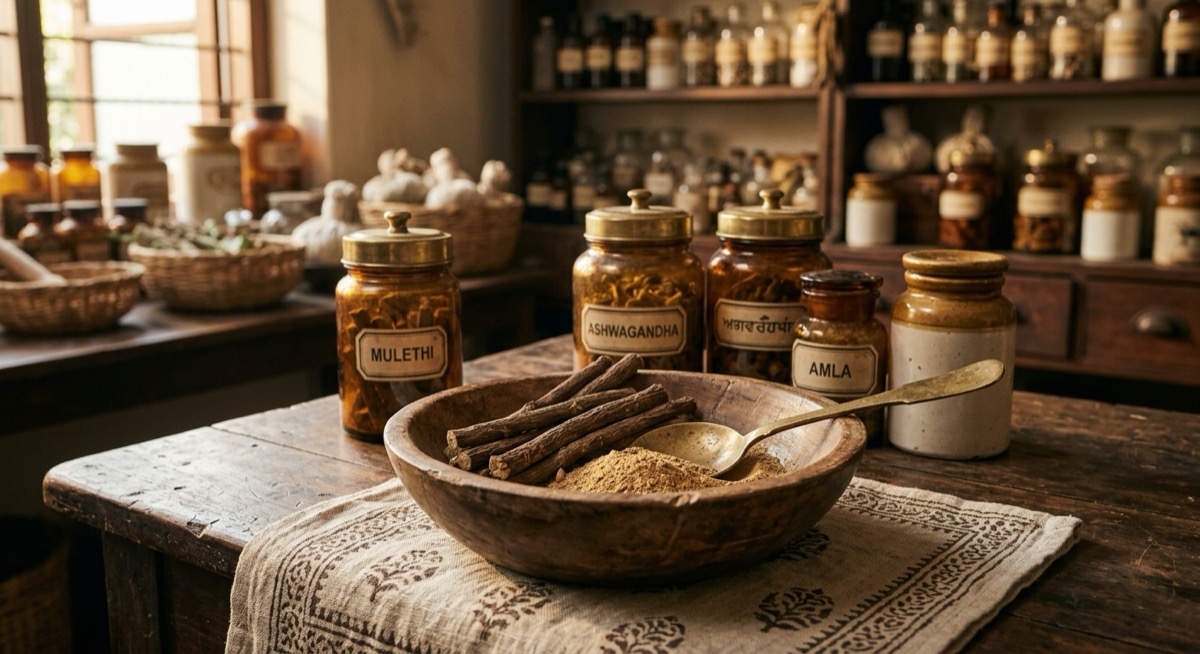
Licorice DGL, Gastritis and GERD Mucosal Protection 2024 Clinical
Licorice (Glycyrrhiza glabra) DGL (deglycyrrhizinated licorice) 380 mg before meals meaningfully improved mucosal recovery and gastric pain in 90 GERD + gastritis patients per 2024 clinical trial. Safe option without BP/cortisol burden by glycyrrhizin removal.
Journal of Gastroenterology 2024 RCT supplemented 90 GERD + chronic gastritis patients with DGL 380 mg three times daily 30 min before meals for 8 weeks. Gastric pain -52%, heartburn -47%, mucosal recovery endoscopic score improvement reported meaningfully. BP + cortisol same as placebo (glycyrrhizin absent).
What is Licorice
Licorice (Glycyrrhiza glabra) is a leguminous perennial. Greek “Glykys (sweet)” + “Rhiza (root).” Native to India, Middle East, Mediterranean, China, Korea.
General licorice activity:
- Glycyrrhizin: 50x sucrose sweetness, adrenal/anti-inflammatory + side effects
- Licorice flavonoids: Antioxidant, mucosal support
- Glabridin: Skin lightening, antioxidant
DGL (Deglycyrrhizinated Licorice):
- Glycyrrhizin 99%+ removed
- No side effects (hypertension/hypokalemia/edema)
- Mucosal recovery/anti-inflammatory activity preserved
- GERD/gastritis/peptic ulcer target
5,000+ year India Ayurveda + East Asian traditional medicine. One of “Ten King Medicines.”
Multi-Target Mechanism
1. Mucosal protection: DGL stimulates gastric mucosal mucin secretion → supports against acid/H. pylori/NSAID damage 2. Mucosal recovery: Epithelial cell proliferation + collagen synthesis support 3. Anti-inflammatory: NF-κB inhibition + IL-6, TNF reduction 4. Partial H. pylori inhibition: Glabridin + licochalcone A 5. Antioxidant: Gastric mucosal oxidative stress reduction
Clinical Data
- Journal of Gastroenterology 2024 RCT 90 8 weeks: Gastric pain -52%, heartburn -47%
- Meta-analysis 8 RCTs (2023): Consistent GERD/peptic ulcer effect
- Korea clinical 2024: Meaningful effect on NSAID gastritis
- India Ayurveda clinical: Chronic gastritis improvement
DGL vs General Licorice
Key distinction:
General licorice (with glycyrrhizin):
- Core herb of traditional medicine prescriptions
- Adrenal support (cortisol) + anti-inflammatory + antiviral
- High-dose/long-term side effects: Hypertension, hypokalemia, edema, cortisol over-activity
- Traditional medicine professional prescription recommended
DGL (glycyrrhizin removed):
- Mucosal protection activity only
- Few side effects
- Safe general supplement use
- GERD/gastritis/peptic ulcer target
Korean Market
Traditional licorice:
- Traditional medicine clinic prescription
- Avoid high doses in general diet
DGL supplements:
- DGL chewable 380~500 mg 60~90 caps 30,000~60,000 won
- 30 min before meal, chew (saliva + mucosal coating)
- 8 week + 4 week rest cycle
Cautions
General licorice (with glycyrrhizin):
- Avoid in hypertension patients
- Kidney + edema
- Cortisol drug, reproductive hormone interaction
DGL:
- Generally safe
- Pregnancy/lactation: Limited data, physician evaluation
- Proton pump inhibitor (PPI) combination: Generally safe, physician evaluation
- H. pylori positive: Supplement insufficient alone, antibiotic combination
Synergy Matrix
- L-glutamine: Gut mucosal recovery dual
- Zinc carnosine: Gastric mucosal recovery
- Probiotics (Lactobacillus reuteri): H. pylori support
- Aloe vera: Mucosal soothing
- Marshmallow root: Mucilage support
Consumer Message
Proton pump inhibitors (PPIs, omeprazole) are first-line for GERD/gastritis/ulcer, but long-term use burdens nutrient absorption + osteoporosis + SIBO. DGL offers natural mucosal recovery option. Specify DGL, not general licorice. On diet (avoid spicy/caffeine/alcohol) + meal timing + sleep foundation. H. pylori positive needs physician diagnosis/treatment.