GLP-1 Hair Loss Is Driven by Rapid Weight Loss, Not the Drug Itself
In a NewBeauty article published April 14, 2026, Dr. Julie Russak’s clinical observations resolve the GLP-1 hair loss conversation in one line. The drug itself does not pull hair out. The catabolic state and nutrient deficits caused by rapid weight loss do.
The telogen effluvium timeline
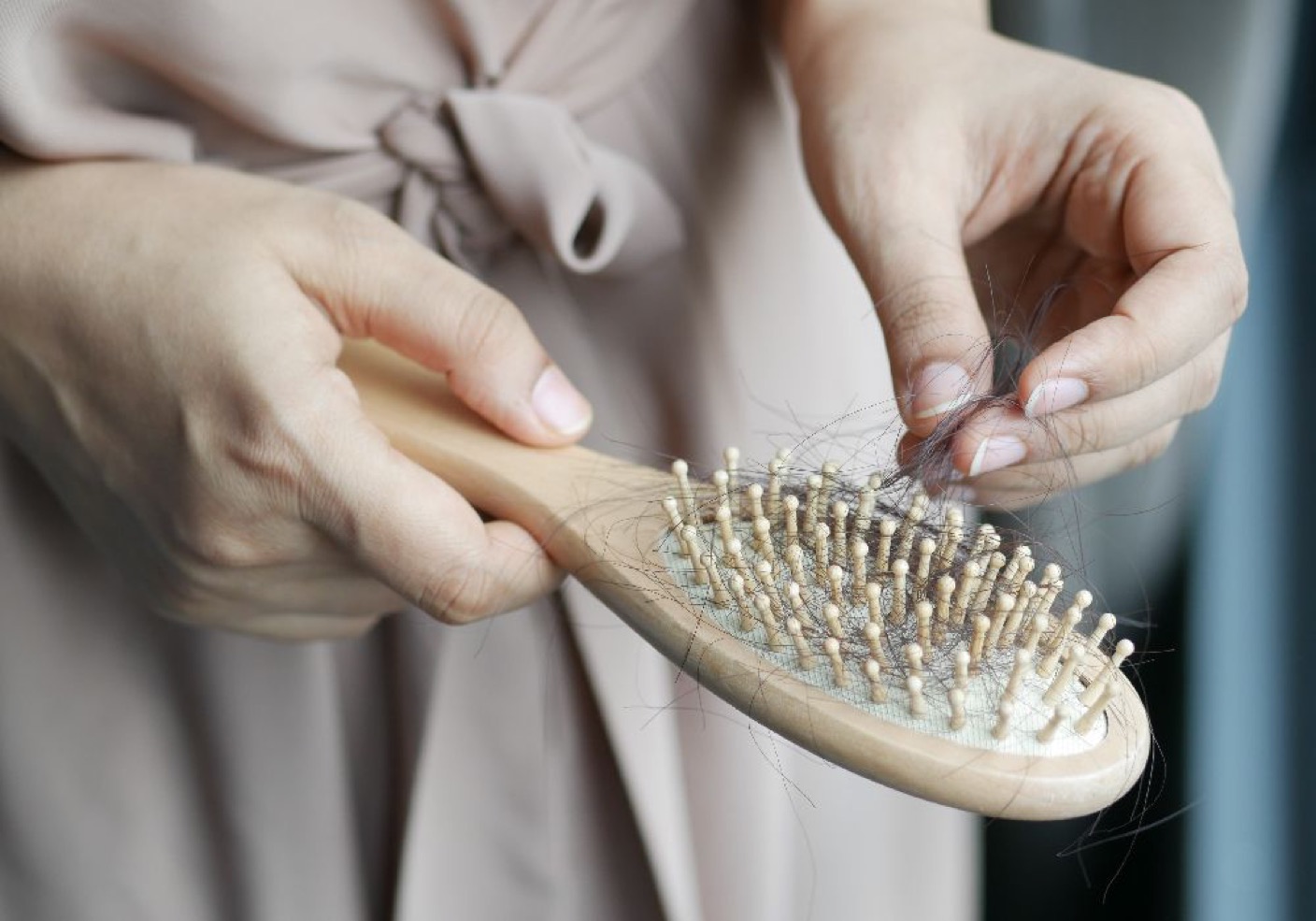
Hair shedding seen in GLP-1 users medically corresponds to telogen effluvium. The growth-regression-resting cycle of hair follicles is disrupted by sudden physical stress, sending hair that should still be in the active phase into the resting phase, causing batch shedding.
The clinical timeline Russak has observed is consistent. Shedding typically begins around three months after starting a GLP-1. Peak shedding occurs between months four and six. With proper metabolic recovery and nutrient correction, gradual stabilization usually begins around month nine.
This pattern matters for two reasons. First, if users panic and discontinue the medication at peak shedding, the recovery pathway itself is interrupted. Second, the four to six-month peak does not align with direct drug effect. It aligns with cumulative catabolic burden timing.
The catabolic state is the real mechanism
Russak compressed the most common misconception into one sentence. “The most common misconception is that GLP-1 medications directly cause hair loss.” The actual mechanism is different. Rapid weight loss pushes the body into a catabolic state, raising systemic physiological stress. Hair follicles are among the first tissues to register this nonspecific stress.
When the mechanism becomes clear, the intervention direction changes. The answer is not stopping GLP-1 but reducing catabolic burden. Russak frames the first step of clinical care as “stabilization before stimulating regrowth.”
Stabilization first: protein and minerals
The first-line stabilization items Russak recommends are these. Protein intake optimization. With caloric intake reduced, ensuring 1.6 to 2.0 g of protein per kg of body weight becomes the priority. Correction of zinc, iron, vitamin D deficiencies. These three are the most common follicle-affecting nutrient gaps in GLP-1 users. Sleep quality and circadian rhythm. Cortisol pattern normalization is the precondition for hair cycle stabilization. Gut microbiome support. Directly tied to nutrient absorption and hormone metabolism.
Only after these four are in place does the regrowth stimulation phase become meaningful.
Regrowth options
After stabilization, the clinical options for follicle stimulation include the following. Topical minoxidil remains the most validated first-line option. PRP (Platelet-Rich Plasma) and exosome therapies stimulate the follicle environment. Low-level laser therapy (LLLT) is non-invasive and useful as a regrowth-phase adjunct. Russak also emphasizes “preventative metabolic resilience-building” as a separate phase, building the foundation so the same pattern does not repeat in the next weight loss cycle.
Restructuring beauty care for the GLP-1 era
The industry message is direct. GLP-1 is no longer just a weight loss drug. It has become a variable that restructures the entire aesthetic care category. Skin laxity, facial volume loss, hair shedding, and muscle loss have all entered the GLP-1 user’s aesthetic agenda.
For consumers, the change is simple. From day one of GLP-1, protein, mineral, sleep, and microbiome care should start in parallel. Building the stabilization foundation at the start determines the recovery trajectory more than reacting once shedding begins.
The GLP-1 beauty and wellness category is filling out quickly. Supplement brands like Replenza, plumping skincare lines like Vol.U.Lift, and fat transfer innovations like AlloClae are launching the same quarter. This is not a single-cycle trend but a structural shift settling in.