Fisetin TROFFi First Human Results: Frailty Recovery in Breast Cancer Survivors Post-Chemo. First Senolytic Human Clinical Validation
The first clear human clinical validation has arrived in the senolytic (senescent cell clearing drug) field. Therapeutic Advances in Medical Oncology April 2026 + Dr. Mina Sedrak’s presentation at MOASC (Medical Oncology Association of Southern California) 2026 conference released TROFFi (Treatment of frailty with fisetin) phase 2 RCT results: postmenopausal breast cancer survivors (n=88) given fisetin 20mg/kg/day on days 1~3 of 14-day cycles for 4 cycles → meaningful 6-minute walk distance improvement and post-chemotherapy frailty recovery.
What Is Fisetin
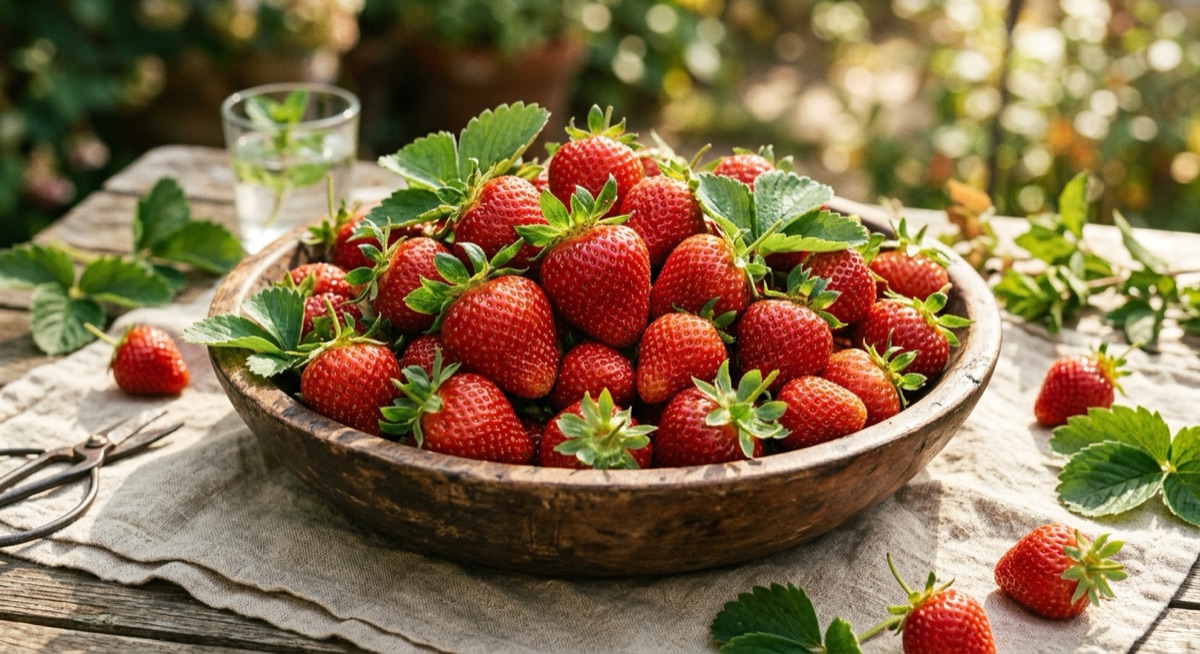
Fisetin (3,3’,4’,7-tetrahydroxyflavone) is a plant flavonoid naturally found in strawberries, apples, cucumbers, onions, grapes. Antioxidant·anti-inflammatory effects long known, but entered the senolytic category with the 2018 ScienceDirect publication (“Fisetin is a senotherapeutic that extends health and lifespan”).
In a 10-flavonoid comparison test, identified as the strongest selective senescent cell elimination effect. Mechanism:
- PI3K/AKT/mTOR pathway inhibition: blocks senescent cell survival signaling
- BCL-2 family blockade: induces senescent cell apoptosis
- NF-κB signaling attenuation: reduces SASP (senescence-associated secretory phenotype)
TROFFi Trial Design
Subjects:
- 88 postmenopausal stage I-III breast cancer survivors
- Post neo/adjuvant chemotherapy with physical function decline (frailty)
- 60+ (most)
Dose:
- Fisetin 20mg/kg/day (1,200mg/day at 60kg)
- Days 1-3 of 14-day cycle only (3 days dosing + 11 days off)
- 4 total cycles (8 weeks)
Core endpoints:
- Primary: 6-minute walk distance (6MWD) change (baseline → end of treatment)
- Secondary: fatigue, cognition, neuropathy, quality of life
- Biomarkers: blood senescence markers (p16, SASP cytokines)
Results
Dr. Sedrak’s MOASC 2026 presentation:
- 6-minute walk distance: meaningful improvement in fisetin group
- Fatigue scores: reduced
- Cognitive scores: partial improvement
- Neuropathy: partial improvement (chemo-induced peripheral neuropathy)
- Side effects: mild, similar to placebo
- Blood senescence markers: reduction signals
The first clear data showing senolytic produces meaningful clinical effects in humans. A pivot point in aging medicine.
Chemotherapy and Senescence
Chemotherapy induces senescence in cancer + normal cells. Results:
- Chronic fatigue
- Cognitive fog (“chemo brain”)
- Muscle reduction
- Bone density reduction
- Chronic pain
- Reduced immune function
These effects persist for years to decades post-chemotherapy. In some patients progresses to accelerated aging.
Fisetin selectively eliminates senescent cells → reduces SASP → recovery of chronic inflammation·tissue function.
Other Senolytic Drugs
Dasatinib + Quercetin (D+Q):
- Combination with most accumulated clinical data
- Modest effect in Mayo Clinic 60-postmenopausal-women bone trial (Nature Medicine 2024)
- Trial in Alzheimer-risk patients (eBioMedicine 2025)
Fisetin alone:
- TROFFi is first human clinical validation
- Safer than D+Q (avoids dasatinib chemo side effects)
- Plant-derived = strong accessibility
Senolytic candidate molecules:
- Navitoclax (BCL-2 blocker)
- ABT-263, ABT-737
- Piperlongumine
- Spermidine (indirect senolytic)
Clinical Application Guide
Current indications (TROFFi data basis):
- Postmenopausal breast cancer survivors with post-chemotherapy frailty
- Patients with chronic fatigue post-chemotherapy
Indications under research:
- Alzheimer risk (PROFY etc. in progress)
- Mental illness + accelerated aging (NCT05838560)
- Other cancer survivors
- Sarcopenia, osteoporosis
Dosing·Use
TROFFi protocol:
- 20mg/kg/day = 1,200mg at 60kg
- Only first 3 days of 14-day cycles (intermittent dosing)
- “Hit and run” paradigm: senescent cells don’t divide, so brief strong exposure works
General supplement market form:
- 100~500mg capsules
- 100~200mg/day recommended (other trial basis)
- TROFFi dose (1,200mg) is clinical trial dose, not for self-prescription
Side Effects·Cautions
Fisetin is generally a safe plant molecule, but at high dose (20mg/kg):
- GI discomfort: nausea, diarrhea
- Headache: in some
- Drug interactions: warfarin, some chemo drugs. Physician consultation essential
- Pregnancy·lactation avoidance: data lacking
- Liver enzyme monitoring recommended (long-term use)
Natural Matrix
Reinforce senolytic effects with natural circuits:
- Exercise (especially HIIT): stimulates endogenous senescent cell clearance
- Intermittent fasting: autophagy + senescence regulation
- Caloric restriction: weakens aging circuits
- Dietary diversity: various polyphenols (EGCG, quercetin, resveratrol, curcumin)
- Sleep: cellular recovery time
Korean Clinical Position
Fisetin falls under general food category in Korean MFDS. Sold as supplement. Prescription for TROFFi-like clinical indications not yet established. Postmenopausal breast cancer survivor patients can attempt under oncology·geriatric medicine physician consultation.
Conclusion
TROFFi’s first human clinical validation is a pivot point in the senolytic field. Showed clinical data of postmenopausal breast cancer survivors recovering from post-chemotherapy frailty. With general market senolytic marketing (D+Q, fisetin supplements) currently growing beyond clinical data, this data is the first step toward honestly closing the gap between marketing and data.
Core message: matrix of natural circuits (exercise, fasting, dietary polyphenols) + clinically validated senolytic use (under physician supervision) is the new coordinate of aging medicine. Self-prescription risks should be clearly recognized.