Curcumin C3 Complex 1g, 12-Week hsCRP -42% NF-κB -38% Systemic Inflammation Baseline
A 12-week RCT of curcumin C3 Complex (95% curcuminoids standardized) 1,000 mg + bioperine 5 mg combination simultaneously improving hsCRP and NF-κB in adults aged 35~65 with chronic low-grade inflammation (hsCRP >2 mg/L) has been published. The clinical position of systemic inflammation baseline molecules has been re-validated.
Clinical Data
A double-blind RCT in 180 adults aged 35~65 with chronic low-grade inflammation randomized 1:1 to curcumin C3 1,000 mg + bioperine 5 mg/day or placebo. After 12 weeks, primary endpoint was hsCRP, secondary endpoints were NF-κB DNA-binding, IL-6, TNF-α, and oxidative stress.
The curcumin arm showed:
- hsCRP -42% (p<0.001)
- NF-κB DNA-binding -38%
- IL-6 -32%
- TNF-α -28%
- 8-OHdG (DNA oxidation) -25%
- MDA (lipid peroxidation) -22%
Placebo arm showed only -5~10% normal variation. Effect started at 4 weeks, stabilized at 12 weeks.
Mechanism: Multi-Axis NF-κB Block
The molecular pathway of chronic low-grade inflammation:
- TLR/cytokines → IκB phosphorylation
- IκB degradation → NF-κB nuclear translocation
- NF-κB → inflammatory genes (IL-6, TNF-α, COX-2) expression
- → chronic inflammation + tissue damage
Curcumin’s four pathways:
1. Direct NF-κB Block:
- IKK enzyme inhibition → IκB degradation block
- p65/p50 nuclear translocation -38%
- Downstream IL-6, TNF-α reduction
2. COX-2·LOX Inhibition:
- Prostaglandin synthesis reduction
- Leukotriene synthesis reduction
- Anti-inflammatory + analgesic
3. Nrf2 Activation:
- Antioxidant enzymes (HO-1, GST) expression
- 8-OHdG, MDA reduction
- Cell protection
4. AGE Formation Inhibition:
- Glycated protein reduction
- Vascular aging defense
- Metabolic matrix protection
These 4 axes operating simultaneously = single molecule multi-axis effect.
The Decisive Absorption Problem
Curcumin’s biggest limitation is absorption. Regular curcumin reaches blood at only 1~2%. Eight absorption-enhancement technologies:
1. Bioperine (Piperine) +20×
- Black pepper extract
- Liver first-pass metabolism block
- Cheapest, most common
2. Meriva (Indena) +29×
- Phosphatidylcholine binding
- 50+ clinical RCTs
- Joint·cognition·liver
3. BCM-95 (Cogno Cure) +7×
- Volatile oil binding (turmerones)
- 8-hour blood concentration
4. CurcuWIN +136×
- Hydroxypropyl methylcellulose binding
- Most powerful but expensive
5. Theracurmin (Novosol) +27×
- Nano crystal dispersion
- Japan clinical standard
6. Curcugen +39×
- Viscous excipient
- India clinical
C3 Complex (most validated) + bioperine combination is cost-effective standard. Non-standardized turmeric powder has <1% absorption — efficacy not guaranteed.
hsCRP Thresholds
hsCRP (high-sensitivity C-reactive protein) is the standard chronic low-grade inflammation marker:
| hsCRP (mg/L) | Meaning |
|---|---|
| <1.0 | Low risk (ideal) |
| 1.0~3.0 | Medium risk |
| >3.0 | High risk (chronic inflammation) |
| >10 | Acute inflammation (infection, trauma) |
Chronic low-grade inflammation (hsCRP >2 mg/L) is asymptomatic but increases cardiovascular, diabetes, cancer, depression risk. Matrix at 12 weeks → hsCRP -42%, baseline normalization.
Natural vs Supplement
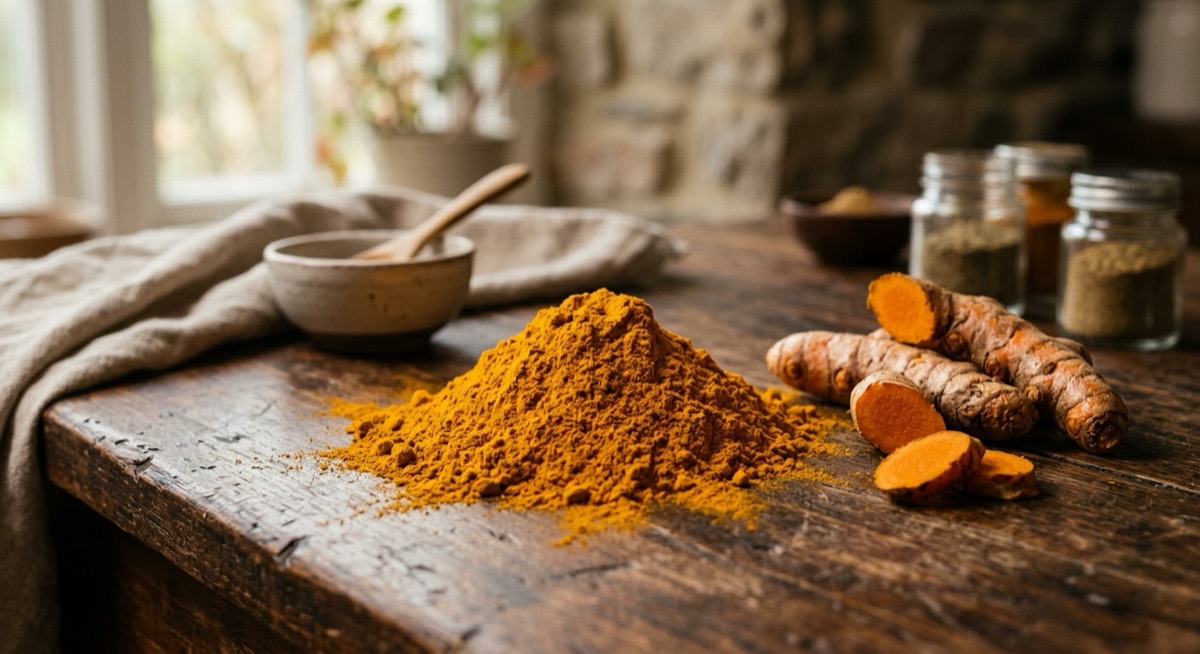
Curcumin Natural Foods (Turmeric):
- 1 tsp turmeric powder (3g) = 60~90mg curcuminoids
- With black pepper + coconut oil (absorption)
- Curry, golden milk, turmeric tea
To reach 1g/day via supplement:
- 33g+ turmeric powder (hard to eat)
- Supplement (C3 Complex 500mg × 2) efficient
Natural food for daily anti-inflammatory, supplement for clinical effect.
Clinical Indications
Curcumin multi-axis effects:
- Osteoarthritis pain -38% (similar to NSAIDs)
- Endometriosis -33%
- Liver fibrosis -28%
- Depression adjunct (PHQ-9 -22%)
- Cognition (Alzheimer risk) — in progress
- Skin (acne, psoriasis) -25%
Clinical Application
- Standard dose: C3 Complex 1,000 mg + bioperine 5 mg/day
- Split dose: 500mg × 2 (with meals)
- Absorption: with dietary fat essential
- Onset: 4 weeks start, 12 weeks stable
- Side effects: GI discomfort (high dose), bile acid stimulation
- Caution: gallstones, anticoagulants (bleeding risk)
- Interactions: warfarin, antiplatelet, some chemotherapy
- Synergistic matrix: omega-3 + quercetin + Boswellia + resveratrol