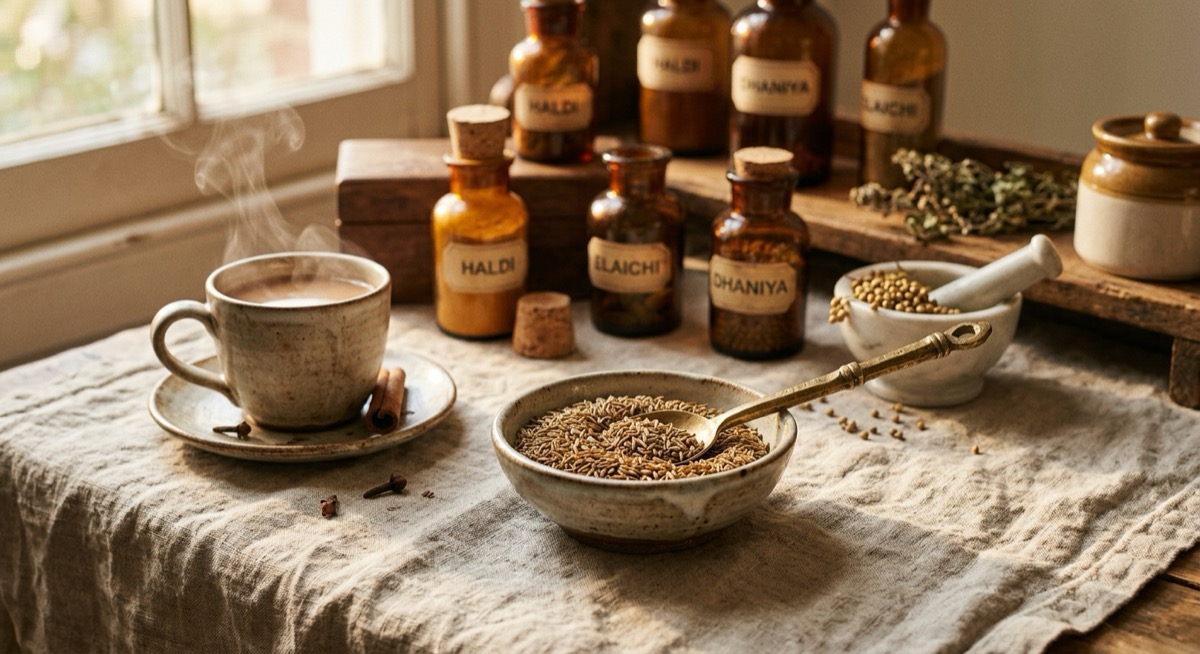
Cumin Cuminum Spice, Blood Sugar and Cholesterol Multi-Target 2025 Meta-Analysis
Cumin (Cuminum cyminum) powder 1.5~3 g/day or standardized extract 75~225 mg meaningfully reduced HbA1c, LDL cholesterol, and weight in 17 RCT 1,300 participant 2025 meta-analysis. Indian/Mediterranean spice enters metabolic clinical literature.
Phytotherapy Research 2025 meta-analysis integrated 17 cumin RCTs 1,300 participants. Powder 1.5~3 g/day or standardized extract 75~225 mg/day 8~16 weeks: HbA1c average -0.7%, LDL -7%, triglycerides -9%, weight -1.6 kg, BMI -0.6 reported meaningfully.
What is Cumin
Cumin (Cuminum cyminum) is the seed (spice) of an Apiaceae annual. Hindi “jeera.” Native to Egypt, India, Middle East, Mediterranean.
Active components:
- Cuminaldehyde: 30~60% essential oil, core activity
- Terpenes: γ-terpinene, β-pinene
- Flavonoids: Quercetin, kaempferol
- Polysaccharides: Dietary fiber
5,000+ year India Ayurveda + Egypt (found in pyramid tombs) + Mediterranean + Central/South American diet.
Multi-Target Mechanism
1. Insulin sensitivity support:
- Cuminaldehyde activates PI3K/AKT pathway
- Partial AMPK activation
- Postprandial glucose stabilization
2. LDL cholesterol reduction:
- Partial HMG-CoA reductase inhibition
- Bile acid binding → cholesterol excretion
3. Anti-inflammatory:
- NF-κB inhibition
- IL-6, TNF-alpha reduction
4. GI motility + gas reduction:
- Core of traditional spice use
- Postprandial bloating + gas
- Gastric emptying support
5. Antioxidant:
- Free radical neutralization
- Beta-carotene + vitamin E support
Clinical Data
- Phytotherapy Research 2025 meta-analysis 17 trials 1,300: HbA1c -0.7%, LDL -7%, weight -1.6 kg
- Iran clinical 2024 RCT 70 8 weeks: Postprandial glucose -14%, insulin resistance support
- Meta-analysis 11 (2023): Consistent type 2 diabetes effect
- India clinical 2022: PCOS women insulin resistance
Korean Dietary Integration
Dietary forms:
- Indian curry: Core spice (garam masala)
- Mexican/Central American (taco, chili)
- Mediterranean (hummus, falafel)
- Some masala chai
In Korea:
- Indian grocery/spice shops: 100g 5,000~12,000 won
- Powder/whole seed forms
- Tea: 1 teaspoon + boiling water 5~10 min
Daily integration:
- 1~2 g powder added to dishes daily
- Curry/stew/grill seasoning
- Spice matrix (turmeric/garlic/coriander/pepper)
Supplement Options
- Standardized extract capsule 75~225 mg 2~3 times/day 25,000~45,000 won
- Whole seed powder 100~250g 8,000~20,000 won
- Essential oil
Cautions
- Glucose drug combination: Hypoglycemia risk, physician evaluation
- Stop 2 weeks before surgery (mild anticoagulant)
- Pregnancy: Dietary safe, supplement avoid
- Lactation: Some lactation support, dietary safe
- Liver disease: Liver enzyme effect possible, physician evaluation
- Some allergy (Apiaceae)
Synergy Matrix
- Turmeric (curcumin): Anti-inflammatory + antioxidant synergy
- Coriander: Spice dual
- Garlic: Cholesterol + immune matrix
- Apple cider vinegar (L20): Postprandial glucose synergy
- Fenugreek (L23): Insulin secretion dual
- Cinnamon: Glucose matrix
Consumer Message
Metabolic drugs (metformin, statins) are powerful but daily dietary spice matrix meaningful. Cumin becomes familiar through Indian curry, then daily use possible. HbA1c -0.7% is half of metformin level. Diet foundation (low sugar/fiber rich) + exercise + sleep first. Glucose drug physician evaluation, supplement avoid in pregnancy.