Blue Zone Diets and Skin Longevity: The Polyphenol Pathways Driving the Link
Five regions of the world have earned the designation Blue Zones: Okinawa in Japan, Sardinia in Italy, the Nicoya Peninsula in Costa Rica, Ikaria in Greece, and Loma Linda in California. The people living there reach 100 at rates far exceeding global averages, and their skin often reflects that longevity. A new study published in Ageing Research Reviews examined what the diets of these five regions have in common at a molecular level, focusing specifically on polyphenols and the pathways through which they influence skin aging.
What Polyphenols Are
Polyphenols are defensive compounds that plants produce in response to UV radiation, pathogens, and oxidative stress. More than a thousand types have been identified. They are concentrated in fruits, vegetables, olive oil, herbs, and teas. The research question behind the Blue Zone analysis is whether the protective mechanisms these compounds provide in plants translate into meaningful biological activity in humans who eat them.
The answer emerging from the science is nuanced: several specific polyphenols appear to engage cellular aging pathways in measurable ways.
Quercetin, Curcumin, and Oleuropein in Detail
Quercetin is found in high concentrations in onions, kale, and apples. In skin cells, it activates mitochondrial energy metabolism via the AMPK signaling pathway and supports fibroblast function related to collagen synthesis. It also promotes the clearance of senescent cells, cells that have stopped dividing but remain metabolically active and secrete inflammatory signals.
Curcumin, the yellow pigment in turmeric, drives a process called mitophagy, the selective removal of damaged or dysfunctional mitochondria through autophagy (the cell’s internal recycling system). As the body ages, autophagy slows. Accumulated damaged mitochondria generate excess reactive oxygen species and inflammatory signals that accelerate skin degradation. Curcumin reactivates this clearance process.
Oleuropein, the primary polyphenol in olive leaves and extra-virgin olive oil, also stimulates autophagy while supporting the structural integrity of the dermis. Sardinia’s dietary profile, which is extraordinarily heavy in olive oil, aligns with oleuropein’s documented effects on connective tissue preservation.
Shell Ginger: Okinawa’s Enzyme Inhibitor
Among the most specific findings in the study is the activity of shell ginger (Alpinia zerumbet), a plant traditionally consumed in Okinawa. Its polyphenol compounds directly inhibit three key enzymes: collagenase (which breaks down collagen), elastase (which degrades elastin), and hyaluronidase (which cleaves hyaluronic acid). These three enzymes are activated by UV exposure, chronic stress, and the aging process itself. Their inhibition preserves the structural proteins that give skin its firmness, elasticity, and hydration capacity.
This mechanism differs from most polyphenols, which work upstream at signaling or metabolic levels. Shell ginger polyphenols act as structural defenders at the point where degradation would otherwise occur.
Translating Blue Zone Eating into Daily Practice
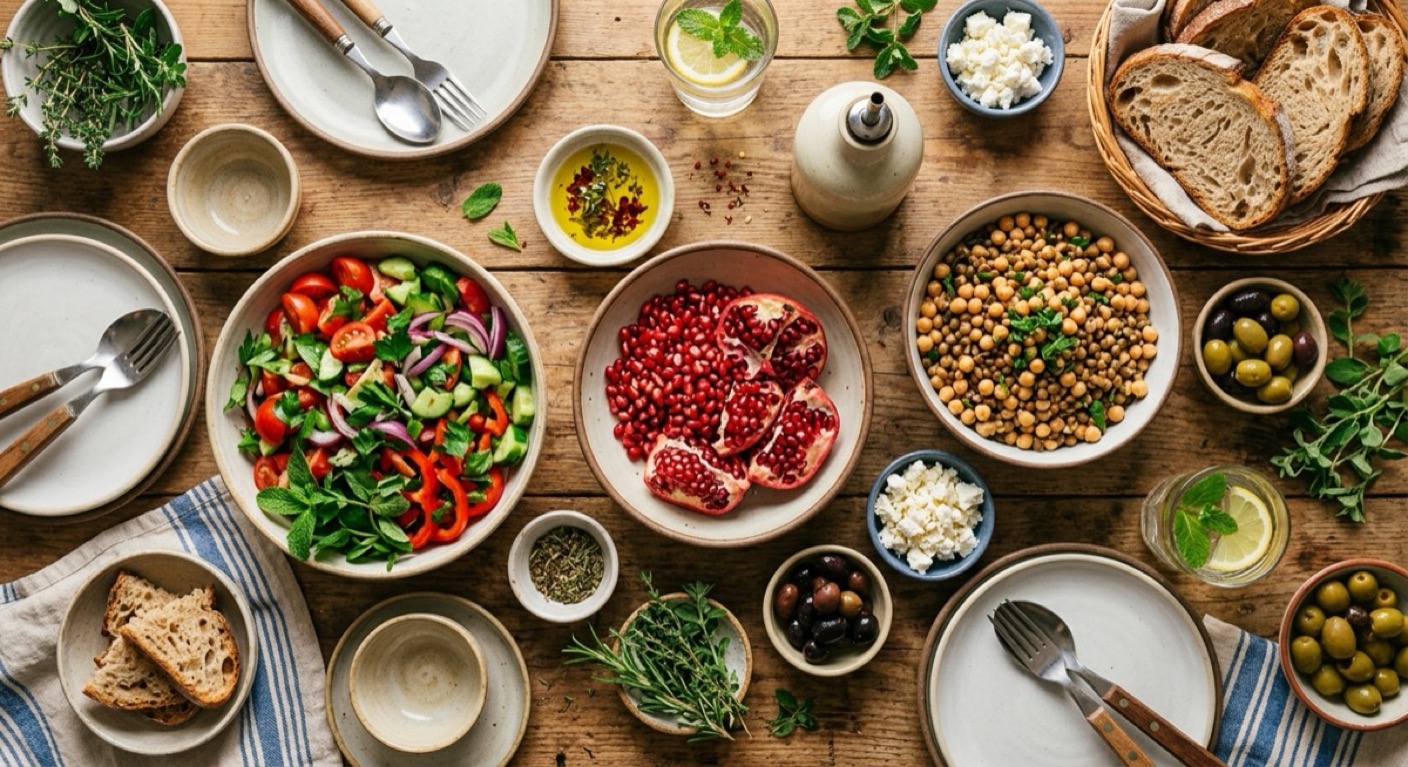
Capturing polyphenol diversity through food does not require unusual ingredients. The Blue Zone dietary pattern comes down to olive oil as the primary cooking fat, frequent consumption of legumes, deeply colored vegetables, berries, and regular green tea or herbal teas. Turmeric used consistently in cooking provides meaningful curcumin exposure.
The bioavailability of polyphenols varies considerably between food and supplement form. Curcumin, for example, has low absorption from food but is significantly enhanced when combined with piperine (black pepper) or in liposomal supplement formulations. If you are currently taking a polyphenol-based supplement, checking the delivered dose against what is supported in the literature is more informative than assuming all formulations are equivalent.
The Blue Zone pattern suggests that variety across polyphenol classes, rather than high doses of any single compound, may be the more relevant variable. The five regions eat differently from each other in many ways, but all arrive at polyphenol-rich diets through their local food cultures.