Bergamot Polyphenol RCT: LDL Cholesterol Meaningfully Reduced, New Natural Option
An RCT validating cholesterol effects of bergamot from Italy’s Calabria region was published in Foods. Bergamot polyphenol 150 mg/day at 12 weeks meaningfully reduced LDL cholesterol and total cholesterol. HMG-CoA reductase inhibition mechanism is clear.
RCT core results
Participants: Mild~moderate high cholesterol patients.
Dose: Bergamot polyphenol extract 150 mg/day.
Duration: 12 weeks.
LDL cholesterol reduction: Meaningfully reduced.
Total cholesterol reduction: Meaningfully reduced.
HDL cholesterol: Increased or maintained.
Triglyceride reduction: Consistent effect.
Side effects: Minimal. Favorable safety.
What is bergamot
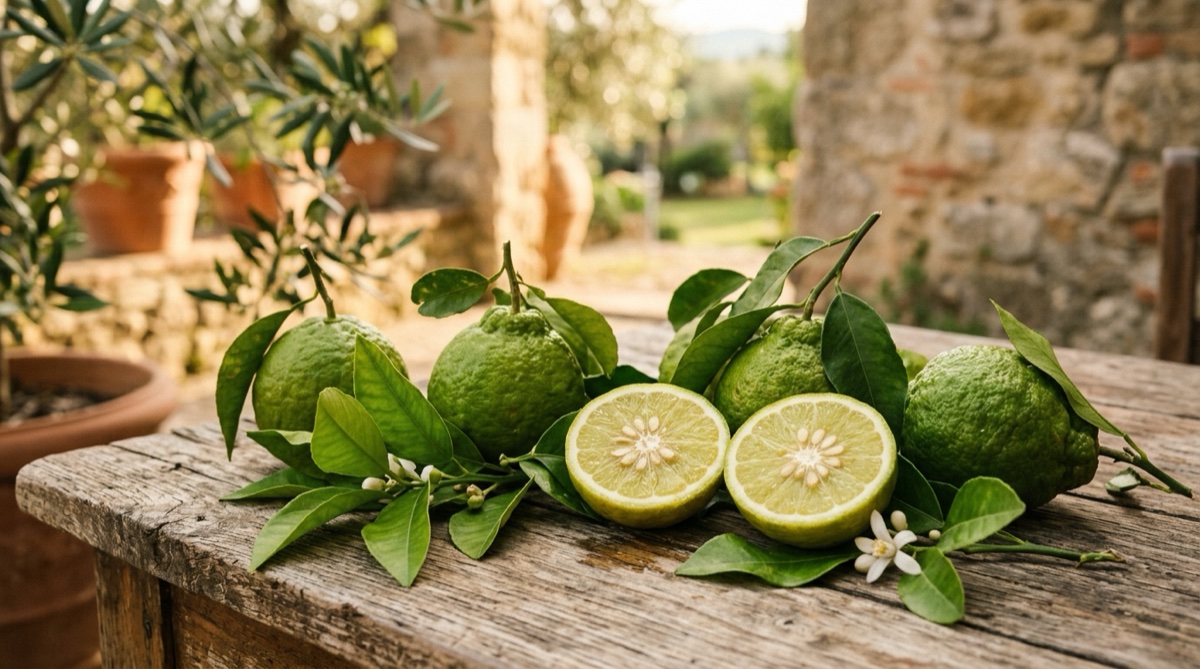
Bergamot (Citrus bergamia): Citrus native to Italy’s Calabria region. Famous for perfume and Earl Grey tea.
Edible vs extract: Bergamot juice very sour and astringent. Limited dietary use.
Polyphenol extract: Standardized polyphenols extracted from juice. Supplement form.
Active compounds: Brutieridin, melitidin, naringin, hesperidin, neoeriocitrin.
Brutieridin + melitidin = natural statin: Two molecules structurally similar to HMG-CoA reductase (statin target).
Mechanism
HMG-CoA reductase inhibition: Cholesterol synthesis enzyme inhibition. Same target as statins, mild activity.
LDL receptor expression increase: Liver LDL uptake increase.
Oxidative stress reduction: LDL oxidation inhibition - blocks atherosclerosis initiation.
Inflammation reduction: NF-κB inhibition, CRP reduction.
Insulin sensitivity mild improvement: Metabolic syndrome adjunct.
Vascular endothelial function: NO support.
Who fits
Mild high LDL: After physician evaluation. Diet/exercise foundation.
Statin intolerance: Option for patients unable to tolerate statins due to muscle pain, liver enzyme elevation.
Metabolic syndrome: Cholesterol + glucose metabolism + oxidative stress multi-adjunct.
Statin + bergamot (combined): Some clinical synergy data. Physician evaluation.
Mild high triglyceride: Some data.
Who should be careful
Grapefruit and drug interactions: Bergamot is also citrus. Some drugs (statins, immunosuppressants, some antiarrhythmics) CYP3A4 effects possible. Consult physician.
Pregnancy/breastfeeding: Limited data. Consult physician.
Allergy: Citrus allergy caution.
Drug interactions: Warfarin, calcium channel blockers etc. consult physician.
GI sensitivity: Some have GI discomfort.
Dose and forms
General LDL: Bergamot polyphenol 150 mg/day.
High dose: 500 mg/day - some trials.
Duration: Effect assessment at 12 weeks.
Timing: With meals. Absorption advantage.
Combination forms: Bergamot + monacolin K (red yeast rice) form available - after physician evaluation.
Form comparison
Standardized polyphenols: Brutieridin + melitidin + naringin standardized. Clinical data mainly this form.
Bergamot + red yeast rice: Natural statin matrix. Physician evaluation.
Bergamot tea: Earl Grey tea bergamot flavoring. Dietary amount small.
Bergamot essential oil: External perfume - not edible.
Other cholesterol adjuncts
Monacolin K (red yeast rice): Natural statin. LDL meaningfully reduced.
Dietary fiber (beta-glucan): LDL -5~10%.
Phytosterols: LDL -8~12%.
Omega-3: Triglycerides -20~30%.
Green tea catechins: LDL mild reduction.
Bergamot + monacolin K + dietary fiber matrix. Physician evaluation essential.
Statin intolerance option
What is statin intolerance: Unable to tolerate statins due to muscle pain, liver enzyme elevation, kidney effects when starting.
Low-dose statins: Try mildest statin with physician.
Other statin trial: Switch to rosuvastatin, pravastatin etc.
Natural options: Bergamot, red yeast rice (monacolin K), dietary fiber, phytosterols.
Combination matrix: Bergamot 150 mg + red yeast rice + dietary fiber + omega-3.
Foundation: Physician evaluation + regular monitoring essential.
Daily guide
Step 1 - Physician evaluation: Cholesterol panel, risk factors, medication review.
Step 2 - Dietary foundation: Mediterranean diet, dietary fiber, exercise, weight management.
Step 3 - Primary option assessment: High risk: statins are standard. Physician decision.
Step 4 - Bergamot adjunct: Mild or statin-intolerant: bergamot polyphenol 150 mg/day.
Step 5 - 12-week assessment: Cholesterol panel tracking.
Step 6 - Monitoring: Liver enzymes, drug interactions, muscle symptoms.
Bergamot is a natural statin matrix. Option for statin-intolerant patients. Physician evaluation and monitoring essential.