Ashwagandha 300mg, 60 Days: Serum Cortisol Down 19.15%
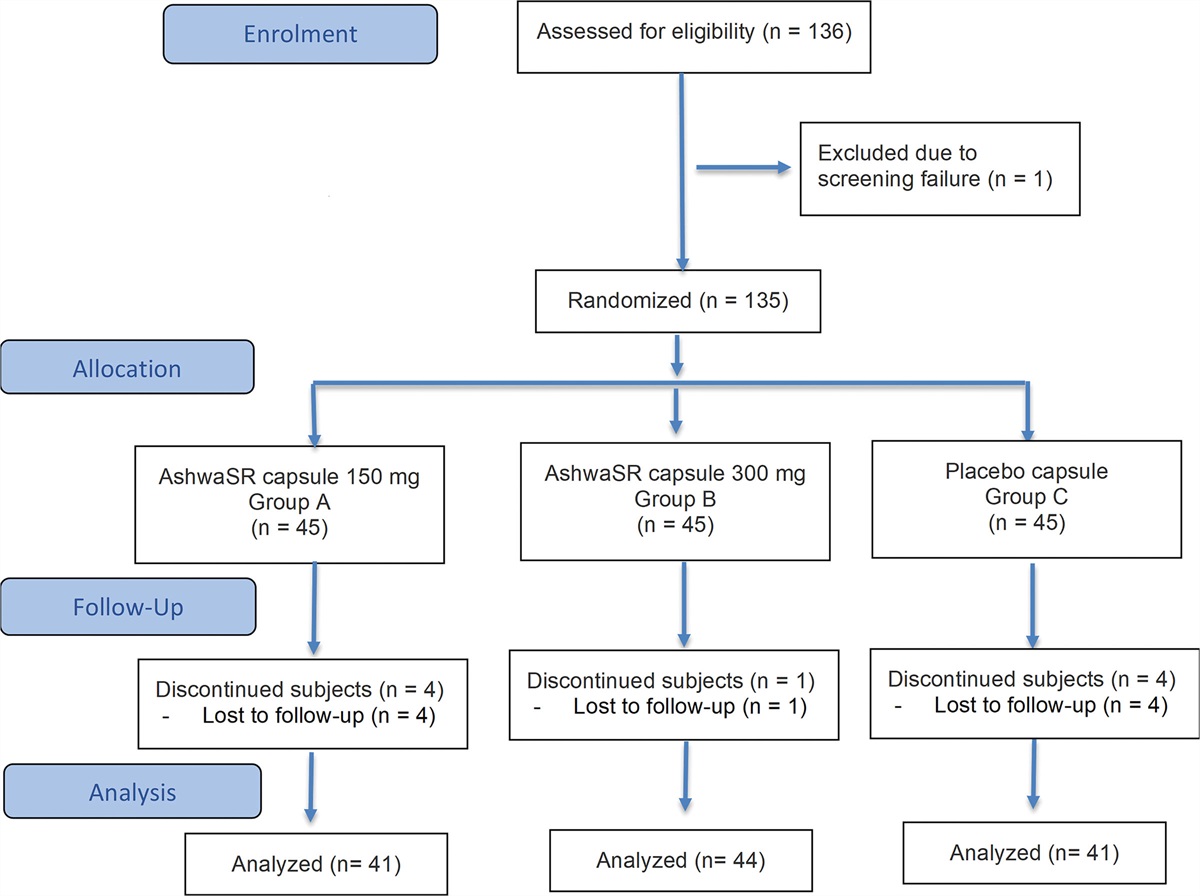
A 2026 double-blind, placebo-controlled trial in Medicine Journal reported that 60 days of sustained-release ashwagandha (AshwaSR) at 300 mg daily reduced serum cortisol by 19.15%. The 150 mg group showed an 11.44% reduction, and sleep quality, eating behavior, and psychological well-being all improved.
Trial Design
Healthy stressed adults were randomized into three arms:
- AshwaSR 300 mg/day
- AshwaSR 150 mg/day
- Placebo
After 60 days, 300 mg produced 19.15% cortisol reduction; 150 mg produced 11.44%. Only the 300 mg group reached statistical significance.
Why High Cortisol Is a Problem
Cortisol is the adrenal hormone released during stress. Designed for acute short-term stress response, chronic elevation creates problems:
- Sleep disruption: evening cortisol elevation blocks deep sleep
- Abdominal fat: cortisol drives visceral adipose accumulation
- Muscle loss: prolonged elevation increases muscle protein breakdown
- Immune dysfunction: chronic inflammation and dysregulation
- Mood issues: worsens anxiety and depression
- Skin problems: acne, weakened barrier
Ayurveda’s 3,000-Year Tradition, Modern Evidence
Ashwagandha is called a “rasayana” in Ayurveda, a rejuvenation and vitality herb used for over 3,000 years. Modern trials confirm its adaptogen mechanism.
Adaptogens modulate stress response system reactivity (the HPA axis), reducing hyperresponse to stress and improving recovery. They don’t block specific symptoms; they raise the baseline capacity to handle stress.
Systematic Review Confirmation
A 2025 systematic review and meta-analysis concluded that 8 weeks of ashwagandha significantly reduces Perceived Stress Scale (PSS) scores and cortisol. Sleep quality, efficiency, total sleep time, and sleep onset latency all improved, with pronounced benefits in insomnia patients.
Doses and Forms
Standard clinical doses:
- KSM-66: 300-600 mg/day (the most researched standardized extract)
- Sensoril: 125-250 mg/day (more concentrated)
- AshwaSR (sustained-release): 150-300 mg/day
- Plain powder: 3-6 g/day (traditional, less standardized)
Timing is usually 1-2 hours before bed, though some trials split dosing morning and evening.
Caution Groups
Safety profile is strong, but these groups must consult clinicians before use:
- Pregnant or lactating women: potential uterine effects
- Autoimmune conditions (hyperthyroidism, lupus, RA): possible immune stimulation
- Thyroid medication users: alters thyroid hormone levels
- Immunosuppressant users: potential interaction
- Pre-surgery: discontinue 2 weeks before
As a Tool, Not a Magic Pill
Ashwagandha is not a magic solution for stress. It complements foundational stress management: sleep, exercise, diet, relationships, mindfulness. But reducing cortisol by 19% is meaningful when lifestyle changes alone fall short.
Reassess after 8 weeks. If improvement is absent, treat it as a signal that the underlying stressors themselves need direct attention.