Artichoke Leaf Extract, LDL Cholesterol and Liver Health 2025 Meta-Analysis
Artichoke (Cynara scolymus) leaf extract 600~1,800 mg/day reduced LDL cholesterol 9.5%, ALT 14% per 18 RCT 1,200 participant 2025 meta-analysis. Cynarin targets bile + liver protection + LDL simultaneously.
Phytomedicine Plus 2025 meta-analysis integrated 18 RCTs 1,200 participants of artichoke leaf extract. 600~1,800 mg/day 6~12 weeks reported consistent LDL cholesterol average 9.5% reduction, liver enzyme ALT 14% reduction, postprandial digestive discomfort 39% reduction.
What is Artichoke
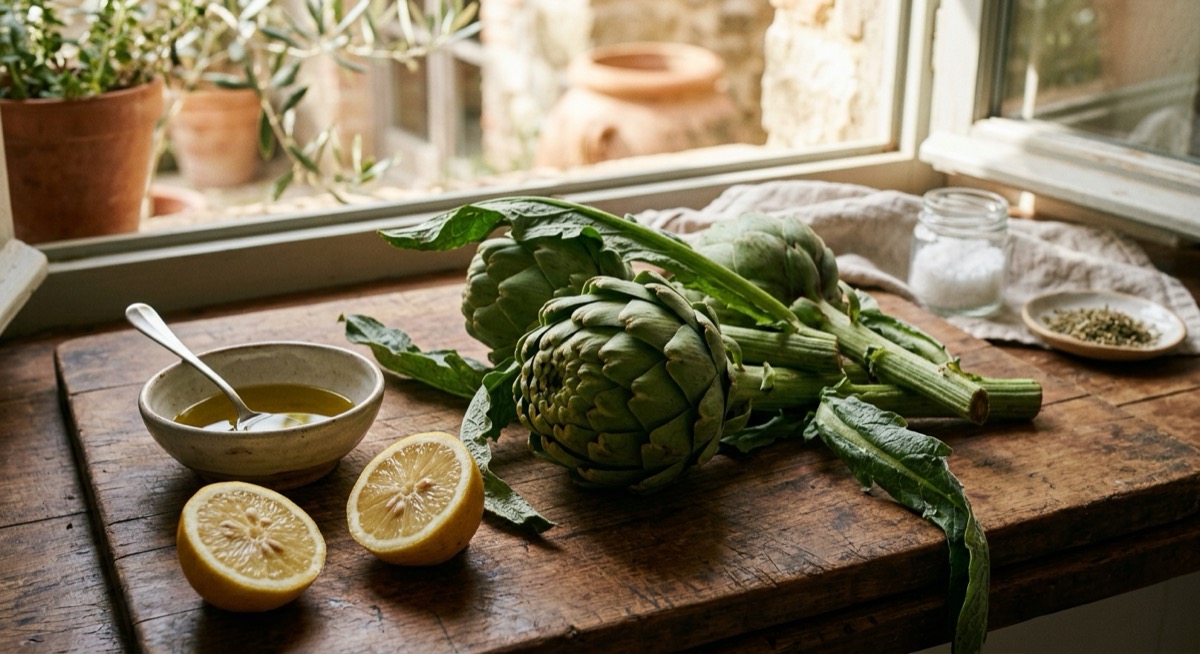
Artichoke is a Mediterranean perennial Asteraceae plant. Scientific name Cynara scolymus. Edible part is flower bud (Italian pasta/salad ingredient), medicinal part is leaves.
Active components:
- Cynarin - bile secretion stimulation
- Chlorogenic acid - antioxidant + AMPK
- Luteolin - anti-inflammatory
- Inulin - prebiotic (rich in leaf stems)
Part of Mediterranean diet, 2,000+ year tradition since Greek and Roman era.
Multi-Target Mechanism
1. Bile secretion stimulation: Cynarin contracts gallbladder + stimulates bile flow → fat digestion + cholesterol excretion 2. LDL cholesterol reduction: Bile binding + partial inhibition of liver cholesterol synthesis enzyme (HMG-CoA reductase) 3. Liver protection: Antioxidant + chlorogenic acid supports NAFLD (non-alcoholic fatty liver) 4. Digestive discomfort relief: Bile secretion relieves postprandial bloating, gas, abdominal pain 5. AMPK activation: Chlorogenic acid activates cellular energy sensor
Clinical Data
- Phytomedicine Plus 2025 meta-analysis 18 trials 1,200: LDL -9.5%, ALT -14%, digestive discomfort -39%
- Germany BMC 2024 RCT 92 12 weeks: NAFLD patient liver fat -12%, ALT -22%
- Italy meta-analysis 2023: Consistent effect on postprandial bloating/gas
- UK clinical 2022: IBS (irritable bowel syndrome) symptom relief
NAFLD and Artichoke Matrix
NAFLD affects 30%+ of Korean adults. Core pathology is fat accumulation + oxidative stress + insulin resistance.
Artichoke targets NAFLD three ways: bile → fat processing + chlorogenic acid antioxidant + AMPK activation. Synergy with silymarin (milk thistle).
Korean Market Diet
Dietary forms:
- Canned artichoke (Italian import): 5,000~10,000 won/can, salad/pasta
- Fresh artichoke: limited import, spring (in season)
Supplements:
- Standardized extract capsule 300~600 mg (cynarin 2.5%), 2~3 times/day before meal
- Liquid extract 30~60 drops/day
Cautions
- Gallstone patients: Bile secretion stimulation may move stones causing pain → avoid or physician evaluation
- Bile duct obstruction: Absolutely avoid
- Asteraceae allergy (ragweed, chrysanthemum) caution
- Liver medication users: Physician evaluation
- Some report mild diarrhea, GI discomfort
Synergy Matrix
- Silymarin (milk thistle): NAFLD dual target
- Berberine: AMPK + LDL synergy
- Apple cider vinegar (L20): Postprandial stability + digestive support
- Inulin (rich in artichoke itself): Prebiotic matrix
- Choline + B-complex vitamins: Liver methylation support
Consumer Message
Statins are first-line drugs for LDL reduction, but those with mildly elevated LDL or drug side effects benefit from dietary + natural options. Artichoke offers matrix targeting LDL + liver + digestion. Canned artichoke 1~2 cans/week + supplement after physician evaluation. Mediterranean diet foundation.