L-Carnitine
What is L-carnitine? A molecule that transports long-chain fatty acids across the mitochondrial inner membrane. A “conditionally essential nutrient” the body can synthesize from methionine and lysine. Dietary sources mainly animal proteins (red meat, poultry, fish, dairy). Used for exercise recovery, endurance, cognition, and cardiovascular support. L-carnitine tartrate (LCLT) targets exercise, acetyl-L-carnitine (ALCAR) targets cognition. Vegetarian populations have higher deficiency risk.
What is L-carnitine
L-carnitine is a molecule found in the mitochondria of all animal cells. First isolated from muscle by Russian scientists in 1905. The name “carnitine” comes from the Latin “carnis” (flesh).
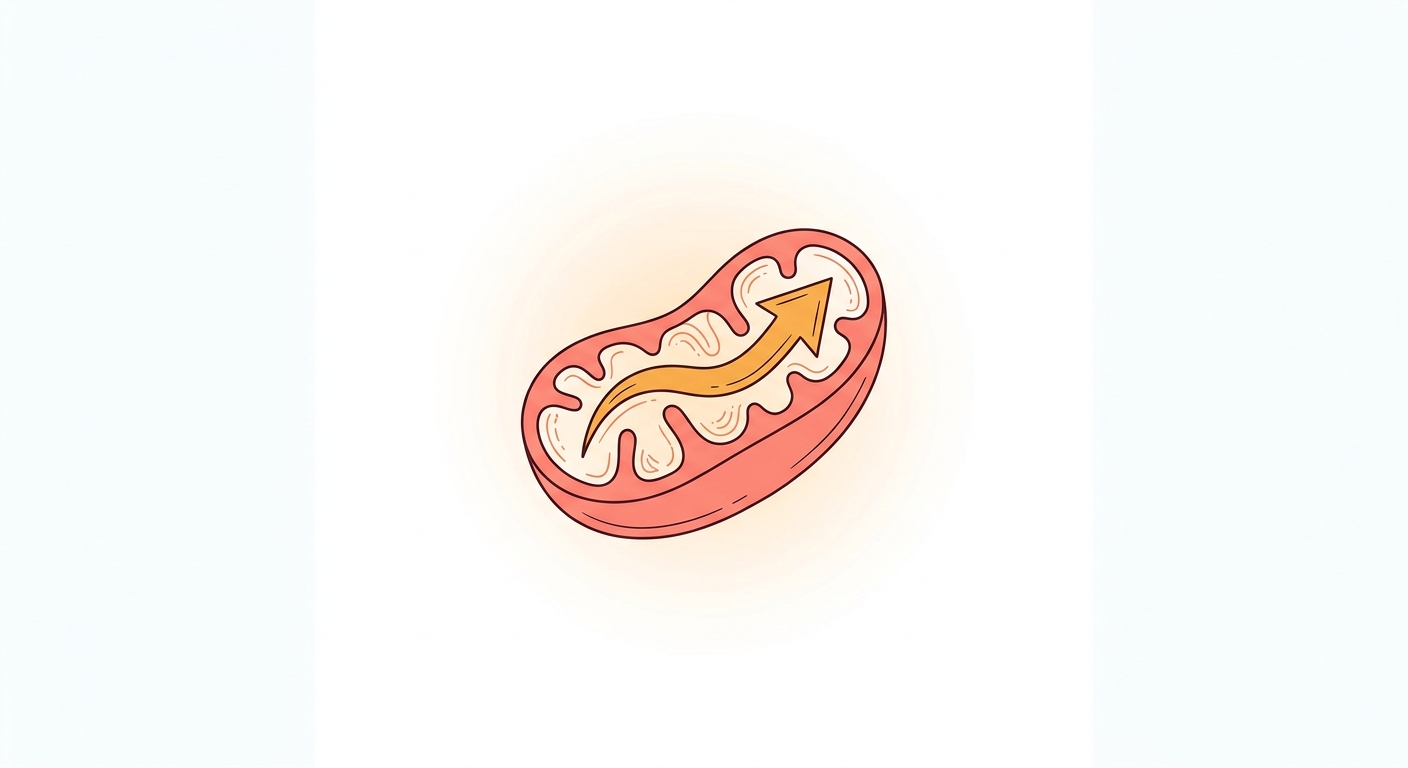
The core role is transporting long-chain fatty acids across the mitochondrial inner membrane. The first step in converting fatty acids to energy depends on carnitine. Without carnitine, fatty acids cannot enter mitochondria.
Synthesis: Synthesized in the liver and kidneys from methionine and lysine. Vitamin C, B6, niacin dependent.
Dietary sources: Red meat (most abundant, 80~100 mg/4 oz), poultry, fish, dairy. Almost none in plant foods.
Storage: 95% of total body carnitine stored in skeletal muscle.
Conditionally essential: Synthesizable but possible deficiency in stress, aging, disease, vegetarian diets.
Mechanism
Fatty acid oxidation: Carnitine palmitoyltransferase (CPT-1, CPT-2) transports long-chain fatty acids to mitochondria. Fatty acids generate ATP via beta-oxidation.
Ketone balance: Regulates ketone production through fatty acid oxidation balance.
Mitochondrial protection: Reduces reactive oxygen species, stabilizes mitochondrial membranes.
Muscle recovery: Reduces exercise-induced muscle damage markers (CK, LDH, myoglobin).
Cognitive support: Acetyl-L-carnitine crosses blood-brain barrier. Supports neuronal mitochondria.
Cardiovascular support: Supports cardiac fatty acid oxidation. Some adjunct data for angina.
Forms and differences
L-carnitine tartrate (LCLT): Standard form. Consistent absorption. Mainly used in exercise recovery trials. Tartrate aids absorption.
Acetyl-L-carnitine (ALCAR, ALC): Acetyl group added. Crosses blood-brain barrier. Cognitive/neurological targeting. Some data on Alzheimer’s, neuropathy adjunct.
Propionyl-L-carnitine (PLC): Propionyl group added. Cardiovascular targeting. Some data on peripheral vascular disease.
Standard L-carnitine (L-carnitine fumarate etc.): Low absorption. Difficult consistency.
D-carnitine: Metabolically inactive. Not used.
Effects (clinical data)
Exercise recovery (2025 meta-analysis): 5+ weeks of LCLT supplementation meaningfully reduces CK, LDH, myoglobin. Reduced muscle pain. Shortened recovery time.
Sarcopenia in elderly: Some trials support muscle mass and function.
Alzheimer’s/MCI: ALCAR improves cognitive scores in some trials. Mixed meta-analysis data.
Diabetic neuropathy: ALCAR improves pain and nerve function in some trials.
Male infertility: Some trials improve sperm motility.
Heart failure: Some trials improve exercise capacity and left ventricular function.
Hyperthyroidism: Some data as thyroid hormone antagonist.
Depression/chronic fatigue: Some trials. Mixed data.
Vegetarian populations
Vegetarian and carnitine deficiency: Almost no carnitine in plant foods. Body synthesis partially supplements but possible deficiency in stress, aging, disease.
Symptoms: Fatigue, reduced exercise capacity, muscle weakness, cardiovascular burden.
Supplement priority: Greater supplement effects in vegetarian populations. LCLT 1~2 g/day or ALCAR 500~1,000 mg/day.
Testing: Plasma free carnitine, total carnitine testing possible. Physician evaluation.
Dose and timing
Standard exercise recovery: LCLT 2~3 g/day. With meals, with post-exercise carbohydrates (insulin stimulation enhances absorption).
Cognitive targeting: ALCAR 500~2,000 mg/day. With meals. 2~3 times daily split.
Cardiovascular targeting: PLC 1~2 g/day.
Vegetarian supplementation: 1~2 g/day LCLT.
Duration: 5+ weeks for exercise recovery. 3+ months for cognition.
Time splitting: 2~3 times daily split for absorption improvement.
Who fits
Resistance exercise recovery: In muscle damage exercise.
High-intensity interval: Recovery cycle shortening.
Elderly exercisers: 50+ year recovery slowdown.
Vegetarian/vegan: High deficiency risk.
Mild cognitive impairment: ALCAR option. Physician evaluation.
Male infertility: Some data on sperm quality improvement.
Hyperthyroidism adjunct: Physician evaluation.
Who should be careful
Hypothyroidism: Possible thyroid hormone effects.
Pregnancy/breastfeeding: Limited data. Consult a clinician.
Kidney disease: Affects carnitine excretion. Consult a clinician.
Seizure disorders: Some data on seizure frequency effects.
TMAO concerns: Converted to TMAO by gut microbiome. Mixed cardiovascular data. Concerns small in general population.
GI sensitivity: Empty stomach irritation.
Dietary sources
Red meat (beef, lamb): Most abundant. 80~100 mg per 4 oz.
Poultry (chicken, turkey): 5~15 mg per 4 oz.
Fish: ~5 mg per 4 oz.
Dairy: ~8 mg per cup of milk.
Avocado: ~2 mg per fruit.
Plant foods: Almost none.
Standard 60~180 mg/day (mixed diet) or 10~20 mg/day (vegetarian) through diet.
FAQ
Q. Does L-carnitine help with weight loss? A. Direct weight loss effect weak. Subtle effect with exercise. “Fat burning supplement” marketing exaggerated. Foundation (diet, exercise, sleep) priority.
Q. Is ALCAR better than standard LCLT? A. Different targeting. ALCAR crosses blood-brain barrier for cognitive/neurological targeting. LCLT for exercise recovery. Form matched to your target.
Q. Should vegetarians always supplement? A. Self-synthesizable but possible deficiency in stress, aging, exercise. Supplementation recommended for athletic populations or 50+ vegetarians.
Q. Is TMAO really a cardiovascular risk? A. Mixed data. Concerns small in general population. Consult a clinician with cardiovascular family history.
Q. When do effects appear? A. 5+ weeks for exercise recovery. 3+ months for cognition. Short-term difficult to achieve effect.
Q. Can it be combined with other supplements? A. Safe with creatine, protein, BCAAs. Time-separate from thyroid medications. Caution with anticoagulants.